Tesla Sets Late-2026 Target for First Private Cybercab Deliveries
Tesla's engineering leadership confirmed that the first privately owned Cybercabs will reach customers before the end of 2026, though most units will initially go to the company's internal robotaxi fleet.
By Priya Marino ·

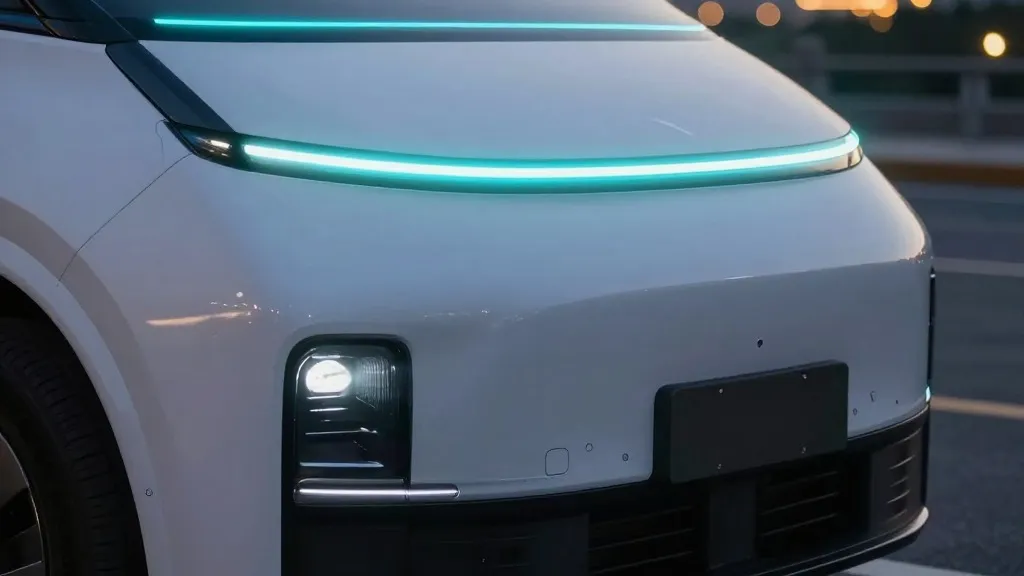
For the first time, Tesla has provided a concrete timeline for when the public can purchase the Cybercab, shifting the vehicle from a speculative future product to a near-term market reality. The company aims to begin delivering the two-seater, driverless vehicle to individual owners by the end of 2026. However, the rollout will be gradual, with initial sales limited as Tesla navigates the logistical and operational complexities of selling a fully autonomous vehicle outside of its direct control.
The announcement came during Tesla’s third-quarter 2026 earnings call on October 21, 2026, ending months of speculation regarding the vehicle's availability. Vice President of Engineering Lars Moravy stated that while production is currently active at the Gigafactory Texas, the majority of units are being allocated to Tesla’s internal Robotaxi fleet. “We’re trying to get Cybercabs to customers by the end of this year, 2026,” Moravy said, noting that the company is prioritizing fleet integration before expanding to private owners.
The path to this milestone has been methodical. Production of the Cybercab, which lacks traditional controls like a steering wheel or pedals, began in February 2026. By early September, Tesla had launched its public Robotaxi service, placing early units into unsupervised operation in select areas. This period allowed the company to test the vehicle’s Full Self-Driving suite in real-world conditions, a necessary step before transferring ownership to customers who may face geographically restricted autonomous capabilities due to varying regulatory landscapes.
CEO Elon Musk clarified that private ownership is not the primary business model for the Cybercab. Instead, he framed the vehicle primarily as a “transport-as-a-service” offering. “The vast majority of the Cybercab stuff will be Tesla-owned and transport-as-a-service,” Musk explained, distinguishing it from traditional personal vehicles like the Model 3 or Model Y. This strategy suggests that while individuals will eventually be able to buy the car, the bulk of the fleet will remain under corporate management to maximize utility and data collection.
Looking ahead, the transition from fleet-only to customer delivery will be cautious. Moravy indicated that initial deliveries will start small, allowing the company to refine delivery logistics, ownership models, and fleet management systems. As operations scale, Tesla plans to “mainly deliver fully designed autonomous vehicles to our customers,” with the Cybercab serving as the first example. The company has previously targeted a price point of approximately $30,000, positioning it as an affordable entry into autonomous transport.
Despite the firm end-of-year target, hurdles remain. Ashok Elluswamy, Tesla’s Head of AI, noted that unsupervised Full Self-Driving features are expected to ship to broader consumer car models in the second quarter of 2027. This timeline implies that early Cybercab buyers may still encounter operational limits or regulatory constraints that prevent fully unrestricted autonomous driving. The coming months will test whether Tesla can successfully balance the rapid deployment of its internal fleet with the careful, phased introduction of private sales.
More Business · Consumer Watch · Report a business · Got a Story?