Black Sea Logistics: Drone Attacks Halt Commercial Traffic
Nearly 50 vessels have been struck in October, leaving 31 seafarers dead or missing and forcing major shipping lines to suspend operations.
By Priya Marino ·
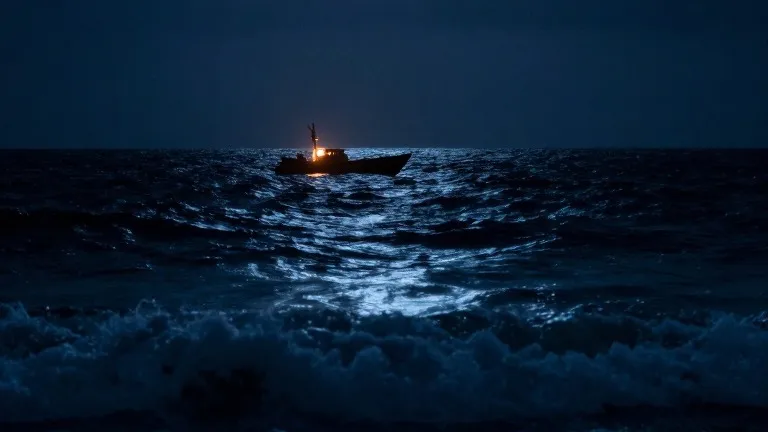
Maritime traffic in the Black Sea has effectively stopped following a series of drone attacks that killed or left missing 31 seafarers this month. The strikes have forced a near-total halt to commercial shipping in a critical corridor for global grain and fuel transport.
The attacks began to intensify in October, with maritime risk firm Ambrey recording 45 incidents in the Black Sea and Sea of Azov during that period. Ambrey attributes 40 of those strikes to Russia, while the Russian Ministry of Defence has acknowledged hitting dozens of ships. Moscow stated that the targeted vessels supported Ukraine’s military efforts, a claim disputed by several shipping owners.
One of the most recent incidents involved the cargo ship HS Dignity, which was struck by a sea drone just after 1:30 a.m. on October 13. The vessel, carrying a crew of 16 Syrian and Egyptian nationals, was heading from Algeria to Romania to load grain. Chief officer Ashraf Mamdouh, 42, described a second drone arriving at the scene while the crew was abandoning ship. He noted that the attackers’ boat was uncontrolled, suggesting it was part of the attack group rather than a rescue effort. Mamdouh and four other crew members survived. Eleven individuals, including 18-year-old Syrian seafarer Hamza Suleiman, are currently missing.
Shipping companies are responding by pausing operations to assess risks. ED Shipping, a Turkey-based operator, has laid up 19 of its 26 vessels. Chief Financial Officer Demre İşcen stated that the company is losing millions of dollars monthly due to the suspension. The firm’s vessel Circon was hit in the Sea of Azov on June 5, resulting in two deaths. İşcen argued that the ship was loaded with Russian grain, contradicting Ukraine’s assertion that it carried stolen Ukrainian produce and military cargo.
The geographic scope of the attacks has expanded into waters adjacent to NATO members. Strikes have occurred off the coasts of Bulgaria and Romania. On October 19, a Comoros-flagged ship was hit by drones just outside Romanian territorial waters. One body has been recovered, and three crew members remain missing. Romanian President Nicușor Dan placed the blame for the incident on Russia. In response to the rising threat, NATO has increased maritime security measures, including the deployment of additional patrol boats and radar systems.
The human toll is falling heavily on specific national groups. Khaldoun Nabelsi, head of the Syrian Seafarers Association of the U.K., has identified at least 18 Syrian seafarers among the dead. He explained that economic pressure often forces workers into these high-risk roles. The Philippine government has taken a precautionary step by barring its citizens from boarding vessels in the northern Black Sea. Survivors of the HS Dignity, including Mamdouh, are currently waiting in Bulgaria for documentation to return home. Mamdouh stated he has no intention of returning to the Black Sea.
Data from Ambrey indicates that more than 500 commercial vessels have been attacked in the region this year. The pattern of strikes suggests a deliberate campaign to disrupt trade routes, impacting not only the vessels themselves but the broader network of suppliers and buyers who rely on the Black Sea for exports.
Source: CBC News