Bulldozers clear Hebron homes as PM promises massive West Bank offensive
Following a checkpoint shootout that left two soldiers dead, Israel is evicting hundreds of residents from a Hebron neighborhood ahead of the October 27 election.
By Chioma Brooks ·

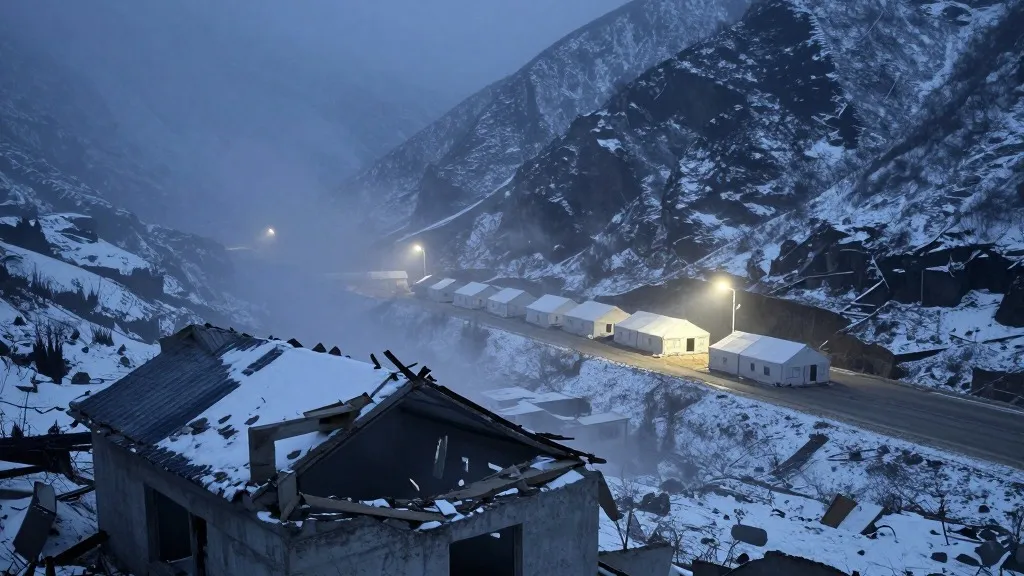
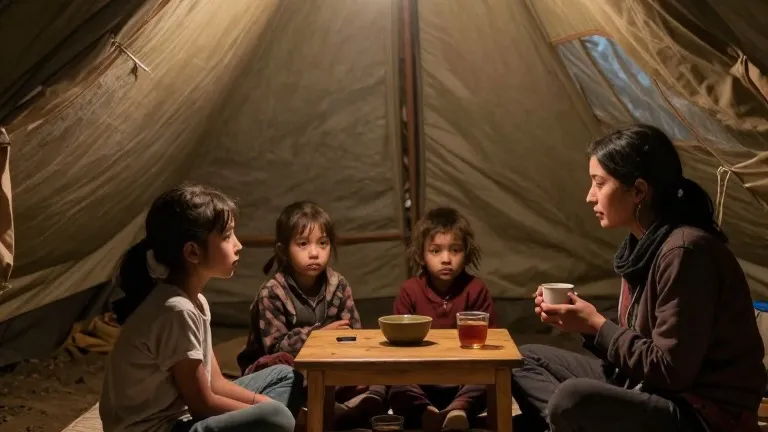
Israeli bulldozers began flattening homes in a Hebron neighborhood on Friday afternoon, forcing hundreds of Palestinians from their residences. This action follows a deadly attack on a nearby military checkpoint that killed two soldiers and wounded three others.
Prime Minister Benjamin Netanyahu announced a major military response in a televised address from the site of the shooting. He described the upcoming operation as being on a scale not seen since the Six Day War, which established Israel's occupation of the territory nearly 60 years ago. Netanyahu stated that Israel would act to demolish the area and change it completely.
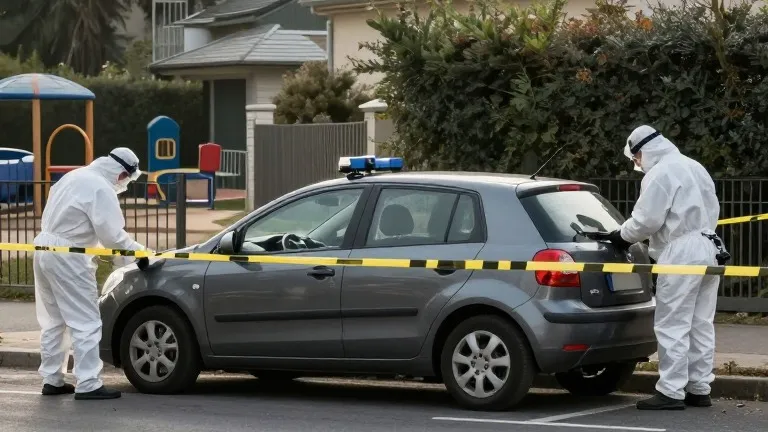
The Israeli military explained that soldiers were behind concrete barriers when two gunmen opened fire. A firefight lasted approximately 20 minutes before troops killed the attackers. The immediate physical response to the violence has now expanded to the civilian neighborhood where the shooters were from.
Local and international groups have raised alarms over the scale of the evictions. The Israeli human rights group B'Tselem called on foreign governments to intervene to prevent another wave of ethnic cleansing and war crimes. This follows a similar assault last year on two Palestinian refugee camps in the northern West Bank, which displaced tens of thousands. Human Rights Watch labeled those earlier expulsions war crimes, a charge Israel has rejected.
Political analysts link the aggressive posture to the national elections scheduled for October 27. Current polls show Netanyahu and his main rival, Gadi Eisenkot, tied for the lead, with neither having enough support to form a government independently. Danny Citrinowicz, a senior researcher at the Institute for National Security Studies in Tel Aviv, noted that Netanyahu is running as the country's security chief. He argued that the prime minister is taking harsh measures to demonstrate strength to voters rather than following a long-term security strategy.
Citrinowicz described the eviction of families from the attackers' neighborhood as collective punishment, noting that no evidence links the remaining residents to the two gunmen. He suggested that a better approach would be to arrest those planning attacks while providing economic stability and hope to those seeking peace. The United Nations has recently described the situation in the occupied West Bank as a new level of dehumanization for Palestinians.
Israel has imposed widespread closures in Hebron, the most populous city in the occupied West Bank, making movement difficult for residents. Across the territory, the military maintains control through approximately 925 checkpoints, roadblocks, earth mounds, and other barriers that restrict daily life for the Palestinian population.