CAA Chief Pushes Congress for Fast Action on AI Deepfake Bill
Bryan Lourd argues that the NO FAKES Act is essential to protect individuals' rights to consent to the digital use of their likenesses in the evolving landscape of artificial intelligence.
By Priya Marino ·
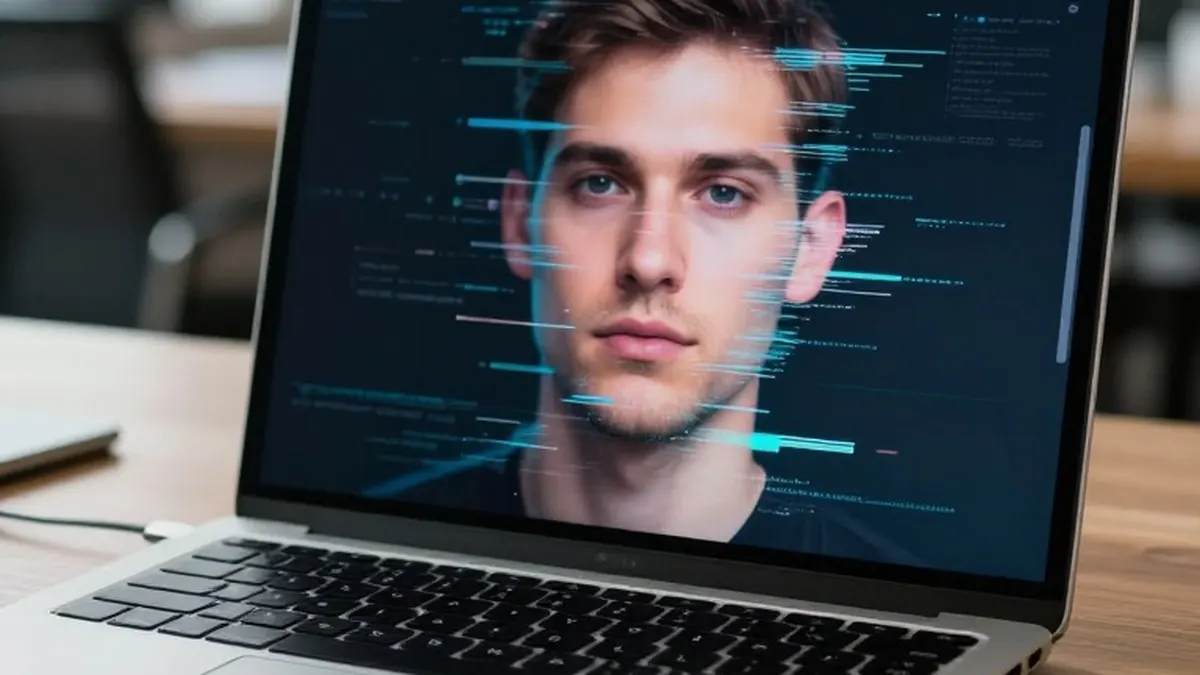
Bryan Lourd, the chief executive officer of Creative Arts Agency, issued a strong appeal to members of Congress on Saturday, urging them to pass the NO FAKES Act. This legislation aims to regulate the rapid spread of unauthorized artificial intelligence deepfakes across the internet. In an opinion piece for The New York Times, Lourd emphasized the fundamental right of individuals to control their digital presence, stating that every person should have the ability to refuse an unwelcome use of their likeness.
The NO FAKES Act was originally introduced in May by Senator Chris Coons, a Democrat from Maryland. This current effort follows a previous attempt to pass the bill in the prior year. Although the legislation successfully advanced out of the Senate Judiciary Committee in June and has secured a bipartisan group of co-sponsors, the full Senate has not yet scheduled it for a vote. Lourd noted that the bill would establish a federal standard governing control, consent, and compensation for deepfakes. He argued that this new framework is necessary to replace existing state laws, many of which are outdated and were drafted with an analog world in mind.
Lourd approached the issue from the perspective of an industry practitioner rather than a traditional policymaker. As the leader of a global talent agency, his role includes assisting clients in licensing their likenesses and performances, often to artificial intelligence companies. He highlighted that his team regularly negotiates these agreements and believes the pending legislation meets the specific needs of the industry while simultaneously protecting the interests of all Americans.
To illustrate the practical implications of the current legal gap, Lourd cited the experience of actor Tom Hanks. In 2023, Hanks warned his followers about a dental office that used an AI-generated deepfake of a younger version of him in an advertisement. Lourd pointed out that while Hanks might not have personally agreed to such a campaign, he should have been given the opportunity to make that decision before the office used his image without permission.
The core problem, according to Lourd, is the lack of a clear rule that affirms the right to consent in the age of artificial intelligence. He believes Congress has the capacity to provide this bright-line rule before the end of the current year. This legislative push comes as deepfakes have become a persistent issue since the emergence of large language models in 2022. These technologies are frequently used to create unauthorized and sometimes explicit depictions of actors, singers, and other public figures.
Creative Arts Agency has been actively advocating against the unchecked proliferation of celebrity deepfakes. The agency has partnered with the Human Consent Foundation, which is backed by actress Cate Blanchett, to assist individuals in managing permissions for their likenesses when those images are scraped by AI models. Additionally, CAA joined the foundation and other entertainment industry supporters in filing an amicus brief in the New York Times lawsuit against OpenAI. In that legal filing, they noted the development of an active licensing market for likenesses in the current AI era.
The NO FAKES Act has garnered significant support from a wide range of industry stakeholders. Among the backers are SAG-AFTRA, the Motion Picture Association, and the Recording Industry Association of America. Support also extends to the Recording Academy, the National Association of Broadcasters, and major technology and labor entities such as OpenAI, the AFL-CIO, YouTube, and IBM. This broad coalition underscores the growing consensus that federal regulation is needed to manage the intersection of artificial intelligence and personal identity rights.
More News · National news · Report a business · Got a Story?