Chess.com Expands Beyond the Board with New Classic Games Platform
Chess.com is launching a new platform for classic games like mahjong and sudoku, leveraging AI to expand its offerings rapidly while keeping chess as its core focus.
By Chioma Brooks ·
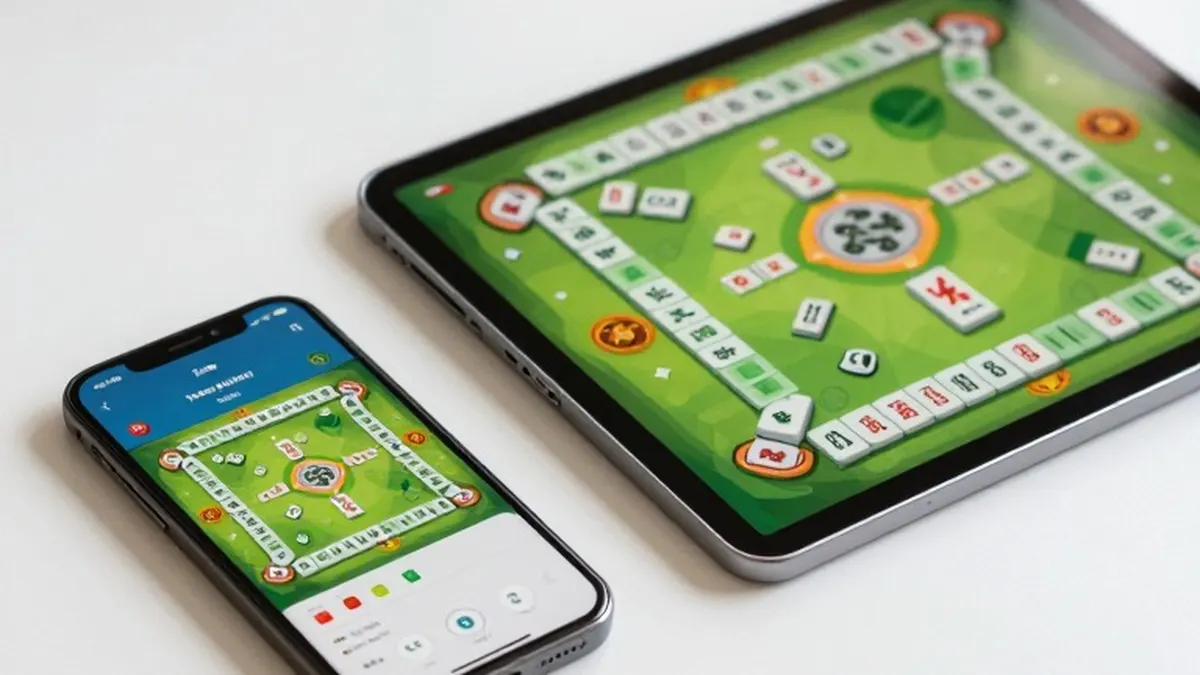
Chess.com is preparing to broaden its scope significantly by launching a new platform dedicated to classic games. Following the introduction of Gambit, a poker site without gambling, earlier this year, the company is now adding ten additional titles to its lineup. These new games include backgammon, checkers, go, hearts, mahjong, shogi, sudoku, solitaire, xiangqi, and a word game similar to Scrabble. The new Classic Games platform is set to begin its public beta on Saturday, available on the web as well as through newly developed applications for iOS and Android devices.
The decision to expand stems from long-standing requests from the user base. Albert Cheng, the chief growth officer, noted that the company's cofounders frequently heard from members who organized regular mahjong nights or played go at local bars. These users expressed a desire for a dedicated digital hub similar to what Chess.com provided for chess players. Cheng emphasized that the massive community of nearly 300 million members had not been adequately served for these other classic games in the past.
The selection of games was driven by community feedback, market research, and the company's confidence in its ability to support each title. The new titles range from strategy games like shogi and xiangqi, which share similarities with chess, to other classics such as sudoku, solitaire, and word. The team prioritized games that offer a lifelong learning journey and foster a strong sense of community.
Players can expect a familiar experience on the new platform. Each game will feature lessons, leaderboards, and a rating system. Multiplayer options include matches against other humans or AI bots, utilizing the same bot characters that players know from the main chess site. Martin, the lowest-rated bot, remains a consistent character across Chess, Gambit, and the new Classic Games platform. While some games like word and mahjong include puzzles, others like sudoku and solitaire offer daily challenges.
Despite the expansion, chess remains the central focus of the company. Cheng stated that the daily active user count for chess is higher than at any point in the company's history. However, the team dedicated to building new games represents less than one percent of the total workforce, ensuring that the primary product continues to receive the necessary attention.
Artificial intelligence played a crucial role in enabling this rapid expansion. The company used AI to assist with coding tasks, allowing a small team to launch multiple new games within a few months. This approach mirrors the process used for the development of Gambit. By building on the existing Chess.com codebase, design system, and infrastructure, the team was able to move quickly without having to start from scratch for each new title.
While AI accelerated the technical development, the visual design was carefully crafted by humans. Cheng highlighted that the company takes pride in the human touch applied to the art and design. The team leverages AI as a tool to enhance the work of talented individuals who possess strong product and design judgment. This blend of human creativity and AI efficiency has allowed the company to ship more major features than in previous years.
The company's comfort with AI is rooted in the long history between chess and machine intelligence. Cheng pointed out that AI and chess have been intertwined for approximately 30 years, a relationship that predates the founding of Chess.com by two decades. This historical context helped shape the company's early thinking and continues to inform its current strategy.
Looking ahead, Chess.com is not planning to stop at the current ten new titles. Cheng indicated that the company will likely expand its library to include many more games in the future. This ongoing growth reflects a broader shift in the gaming industry where AI is used to accelerate development while creative roles become increasingly prominent.
More News · National news · Report a business · Got a Story?