Cleveland Predator Patrol Disbands as Legal Charges Pile Up
A Northeast Ohio group that staged online confrontations with alleged sex offenders has officially dissolved after facing felony charges and a member's suicide.
By Abigail Brooks ·

Cleveland Predator Patrol officially disbanded in September, citing mounting legal bills and internal conflict among its three members. The group, which operated in Northeast Ohio starting in March, has faced misdemeanor and felony charges from multiple jurisdictions. Members are currently working to avoid jail time for the felony offenses. Kevin Fisher and Zac Hunley have stated they will not work again with Austin McComas, though both intend to return to predator hunting in the future.
The group gained rapid popularity on social media during the spring and summer of 2026 by posting videos of confrontations. McComas, 26, served as the public face of the operation. He stated that his participation was driven by childhood sexual abuse committed by two of his brothers. The group generated revenue by selling merchandise featuring McComas' catchphrase, “Excuse me everybody…”
In June, the group surprised a man named Bryan at a restaurant in Parma after he allegedly drove from Toledo to meet an underage teen. The incident marked the beginning of their public campaign. Critics note that their methods often included physical altercations and public humiliation, diverging sharply from the original format established by Chris Hansen on the NBC show “To Catch a Predator.”
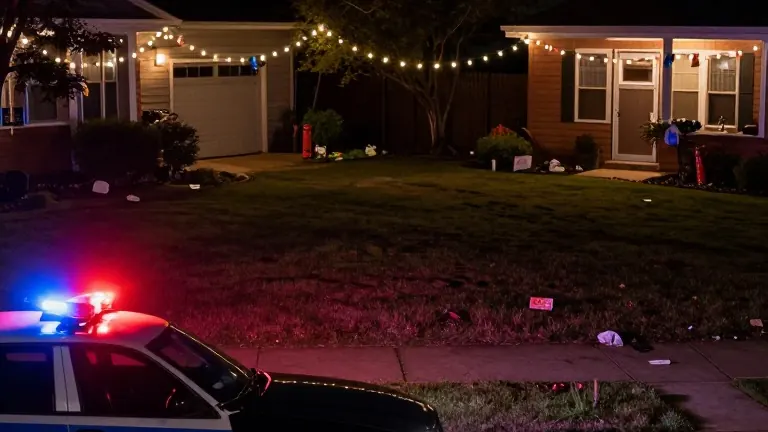
In July, fans interrupted an attempted catch at an Elyria Walmart after the group livestreamed their approach on Facebook. This incident illustrated the group's departure from traditional investigative methods. In August, a confrontation in Brooklyn resulted in a physical altercation where a man was dragged out of a restaurant, leading to misdemeanor charges for the three members. A week later, an incident in Olmsted Falls resulted in felony charges against the group, not the target.
McComas addressed the violence by stating, “No matter what we do not condone violence That is not our mission. If the child predator goes to jail and something happens to them in there. Hey, it's not on us.”
A Richville man confronted by the group died by suicide less than a week after their encounter in early August. The group initially responded to inquiries about the death with laughter and later shared the man's obituary on Facebook with a triumphant tone. They have since become more circumspect about the implications of that event.
David Frattare, chief of Internet Crimes Against Children in Ohio, said the actions of digital vigilantes are understandable but hinder law enforcement. “I take offense to the idea that these guys are catching people. I mean I get what they're trying to do,” Frattare said. “All this is really doing is making our job harder.” Ohio laws state that an online conversation with an alleged predator is not a crime unless the other party is an actual child or law enforcement posing as one. This means the men targeted by the patrol were often not guilty of a prosecutable crime at the time of confrontation.
Chris Hansen, who pioneered the predator-catch format, has mixed feelings about the new wave of groups. He produces a new show for TruBlu Studios in Strongsville where law enforcement handles all conversations to preserve prosecution ability. Hansen is currently shopping a documentary titled “I’m Chris Hansen” to counter the narrative of the recent movie “Primetime,” which dramatizes the events leading to the suicide of Louis William Conradt Jr. in 2005.