CMS proposal would cut Medicare funding for outside remote monitoring vendors
A new rule would stop reimbursements for third-party tech companies, leaving rural patients like Dianne Williams without daily health checks.
By Chioma Brooks ·
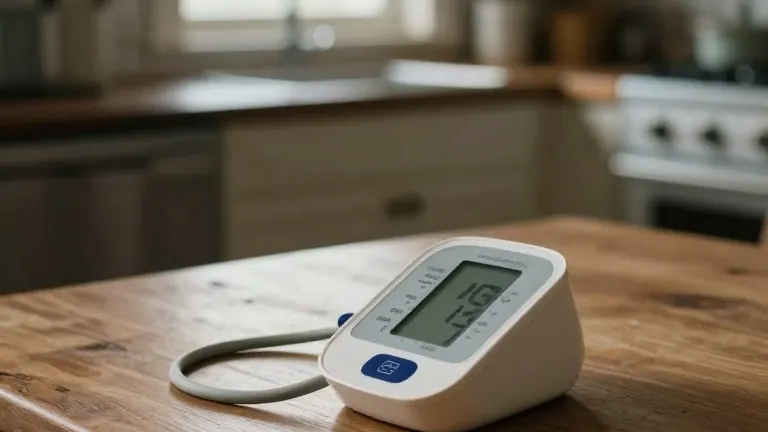
The Centers for Medicare & Medicaid Services has proposed a rule that would stop paying healthcare providers for remote monitoring services when they use outside technology companies to manage the data. Under the plan, Medicare would only reimburse clinicians if the service is delivered by staff at the facility where they work. This change would directly impact Dianne Williams, a resident of rural Georgia who relies on a home blood pressure cuff connected to a private vendor for her chronic care.
The proposed regulation stems from reports by the Department of Health and Human Services Office of Inspector General. Reports from 2024 and 2025 identified concerns regarding fraud, insufficient data collection, and a lack of direct treatment from the prescribing clinician. CMS spokesperson Timothy Foster stated that the agency recognizes the role of technology in improving access, particularly in rural areas, but noted that additional safeguards are required. The proposal argues that outside vendors often have little established relationship with patients, which can fragment care.
Caroline Pearson, executive director of the Peterson Center on Healthcare, warned that the rule would virtually eliminate or dramatically reduce the use of these services for many beneficiaries. She noted that rural communities would be among the hardest hit because local facilities often lack the capacity to run their own programs. Most rural clinics contract with third parties to handle device monitoring and patient communication. Pearson said, "I think the rural communities will be some of the hardest hit."
The rule applies specifically to patients in traditional Medicare, not those in private Medicare Advantage plans. However, experts warn that other payers may follow suit. Andrew Van Ostrand, senior vice president at the Alliance for Connected Care, described the proposal as a surprise to the industry. He said many vendors had already implemented changes based on OIG recommendations and were taken aback by the scope of the new Medicare rule.
The timing of the proposal conflicts with federal rural health initiatives. States have allocated at least $240 million from their first-year Rural Health Transformation Program funding for remote monitoring. Van Ostrand noted that the new vendor rule and lower reimbursement rates are in deep misalignment with the $50 billion, five-year program designed to boost rural healthcare through technology.
Edward Vance, chief medical officer at Albany Area Primary Health Care, explained that his system could not offer remote monitoring without an outside vendor. He described his organization as operating with a borderline understaffed situation and shoestring budgets. His clinic serves many rural and low-income patients who depend on these tools for daily health management.
Data from the Peterson Center on Healthcare shows rapid growth in these programs. Enrollment for traditional Medicare patients in remote physiologic monitoring grew tenfold from 2019 to 2023. Spending on these services increased from just under $7 million to more than $194 million during that same period. The average duration of care also rose from 1.7 months to 5.2 months. More than 230 health tech vendors and advocacy groups signed a letter to CMS opposing the change as of September 14.