DTE Energy Accelerates Vegetation Management to Cut Outage Rates
The utility aims to reduce the half of service interruptions caused by falling trees by intensifying trimming operations before the calendar year ends.
By Priya Marino ·
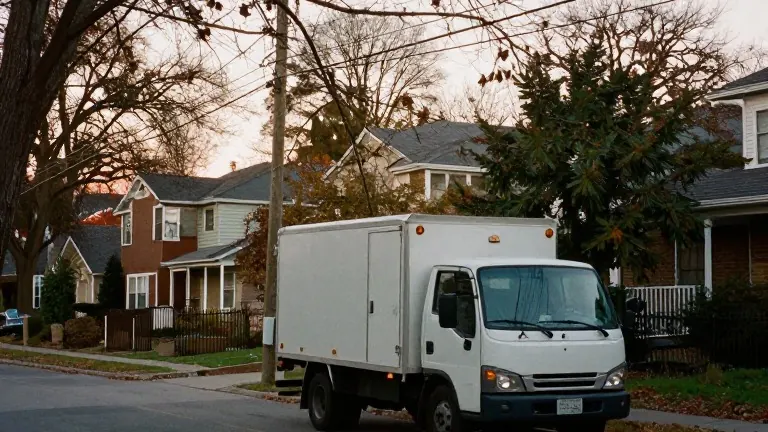
DTE Energy is expanding its tree trimming operations across Southeast Michigan to stabilize its electric grid and reduce customer outages. The utility plans to increase field activity before the end of the year, a move intended to lower the frequency of power disruptions in the region. This operational shift places a greater emphasis on vegetation control as a primary maintenance strategy for the power network.
Bill Hutchinson, the company's director of vegetation management, noted that fallen trees remain the primary driver of service interruptions in the state. According to Hutchinson, tree-related incidents account for approximately 50% of all outages reported by utility customers. He stated that proactive trimming is a critical component of maintaining grid reliability and reducing these specific failure points.
The utility determines trimming priorities through continuous monitoring of its electrical systems. DTE also evaluates the time elapsed since the last maintenance visit in each specific area to set annual work orders. Homeowners can submit non-emergency requests through a dedicated form on the company's website, which feeds into this prioritization process.
In many communities, DTE operates under utility easements that grant access to specific property zones without requiring explicit permission from homeowners. These legal agreements allow the utility to perform necessary maintenance on vegetation that threatens power lines. In municipalities or on public lands with specific regulations, the company collaborates with local officials to manage tree clearance effectively.
DTE states that crews follow industry standards to balance grid safety with tree health. Trimming procedures vary based on the tree species and the voltage of the nearby power lines. The company acknowledges that initial cuts may appear drastic, but asserts that most trees recover their shape within one or two growing seasons. Higher voltage lines and fast-growing species require wider clearance zones.
Customers are responsible for maintaining vegetation around their service drop, the line connecting the nearest pole to their home. DTE advises homeowners to hire independent services to manage this area, as the lines carry high voltage. The utility does not trim this specific section as part of its standard grid maintenance program.
After cutting, DTE crews remove debris and chip it into manageable pieces. The company leaves the wood neatly piled on the property for homeowner use as firewood. This policy allows crews to work efficiently while keeping customer rates lower by avoiding the cost of full removal. The utility notes this approach supports affordability while improving reliability.
DTE contacts customers via email, mail, or in person before work begins. The planning and auditing phase can take several weeks to a few months. To help customers verify the identity of workers, the company reminds residents that employees and most contractors carry identification badges. Homeowners are advised to call (800) 477-4747 to confirm scheduled work before allowing access to their property.
The utility emphasized that it does not collect cash payments or sell solar equipment at customer homes. DTE representatives will not deliver cash refunds or rebates in person. These guidelines aim to help residents distinguish between official maintenance crews and potential solicitors or impersonators during the upcoming increase in field activity.
More Business · Consumer Watch · Report a business · Got a Story?