Fed Chair Warsh Cuts Rate Votes, Hints at December Hike
The Federal Reserve will skip three scheduled interest rate decisions in the next two years, a structural change that reduces market reliance on routine FOMC communications.
By Chioma Brooks ·
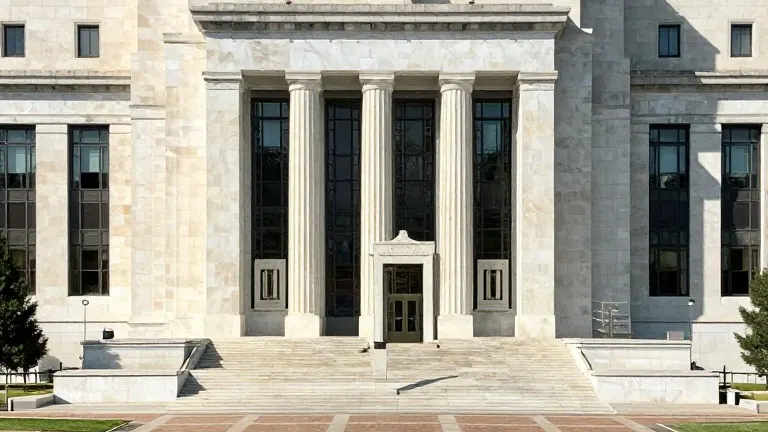
The Federal Reserve will hold interest rates steady on Wednesday, with Chair Kevin Warsh signaling that a hike could occur as early as December. This decision follows a period of volatility where markets were uncertain whether the central bank was locked into tightening or pausing.
Warsh stated that the committee has no fixed conclusion on the future path of monetary policy. He emphasized that if a firm direction had been established, it would have been announced with greater certainty. However, his comments regarding financial conditions suggest a current preference for higher rates, despite a September decision to increase borrowing costs.
The chairman noted that while overall financial conditions have tightened, he is unwilling to label them as fully tight. This stance preserves the committee's options while establishing the intellectual basis for further rate increases if inflation remains above the 2% target. Warsh explicitly rejected the idea that the Fed is tolerating inflation in the low single digits, reaffirming the strict 2% goal.
In a notable structural change, Warsh announced a plan to reduce the number of scheduled interest rate votes over the next two years. The Fed will continue to meet eight times annually, but officials will skip a vote at one meeting in 2027 and two meetings in 2028. This adjustment aims to reduce the market impact of individual statements by regional Fed presidents, whose comments previously carried weight when they came close to decision dates.
Regional presidents will also receive one fewer scheduled vote during their year-long rotations as FOMC decision-makers. The chair retains the authority to call impromptu meetings if a rate change becomes necessary outside the regular calendar. This approach shifts focus away from routine FOMC communications and toward the chair's broader strategic guidance.
Economists have mixed views on the decision to hold rates. Robert Sockin, chief U.S. economist at PGIM, argued that the move was a policy mistake. He contended that Warsh did not sufficiently explain why the current economic backdrop did not justify a rate increase, particularly given his own comments on financial conditions. Sockin warned that a gradual approach may force the Fed to hike higher, thereby increasing recession risk.
The committee will gather additional data before the next meeting in December. This information could support the case for further tightening or, alternatively, demonstrate that rising productivity allows for growth without inflation. Warsh declined to confirm that he directed the recent messaging that tempered market expectations, noting that the FOMC is a committee rather than a single individual sending coordinated signals.
Source: CNBC
More Business · Consumer Watch · Report a business · Got a Story?