Gasoline Prices in Israel Set to Rise as Smotrich Tax Cut Ends
A temporary excise tax reduction expires November 3, potentially pushing fuel costs above nine shekels per liter amid rising oil markets.
By Chioma Brooks ·
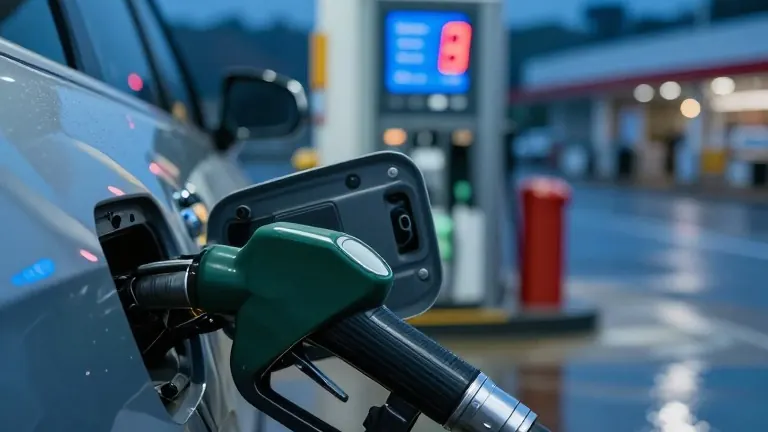
Israeli drivers will face a sharp increase at the pump in the days following the national elections. The current price of 95-octane gasoline stands at NIS 7.77 per liter. A new price adjustment is expected to take effect as early as Saturday night.
Finance Minister Bezalel Smotrich implemented a temporary reduction in the state’s excise tax on gasoline last month. This measure aimed to stabilize fuel costs before the vote. An earlier order, signed one month prior, had lowered the tax by NIS 0.50 per liter. As global oil prices rose, Smotrich doubled that reduction to NIS 1.00.
The tax cut is scheduled to expire on November 3. The Finance Ministry’s Budget Department estimates that the reductions over the past two months will cost the state approximately NIS 467 million. This financial outlay occurs while ongoing war efforts have pushed defense spending to record highs.
Under standard conditions, taxes account for more than 60% of the final cost of gasoline in Israel. These levies generate roughly NIS 20 billion in annual state revenue. The expiration of the current relief measure removes a major component of cost control for consumers.
Global market trends are also driving prices upward. Expectations of a third round of fighting involving Israel, Iran, and the United States have lifted oil prices by about 10% compared to late September. The Energy Ministry’s Fuel Administration set the October gasoline price during that period.
If the tax cut remains in place, gasoline is expected to rise by approximately 30 agorot per liter, pushing the price just over NIS 8. If the reduction lapses, the price could climb above NIS 9. The final figure will be determined based on oil prices in the Mediterranean basin toward the end of the week.
The new price may remain in effect for only a few days. Smotrich must decide whether to extend the relief after the elections. If the current government is set to leave office, he may allow prices to surge, leaving the economic consequences to the next administration.
Source: The Jerusalem Post
More Business · World news · Consumer Watch · Report a business