
Harbinger Targets Commercial Fleet Market With New Electric Truck Line
The startup secured $240 million in funding and major contracts from FedEx and the US military to produce medium-duty electric vehicles.
By Chioma Brooks ·
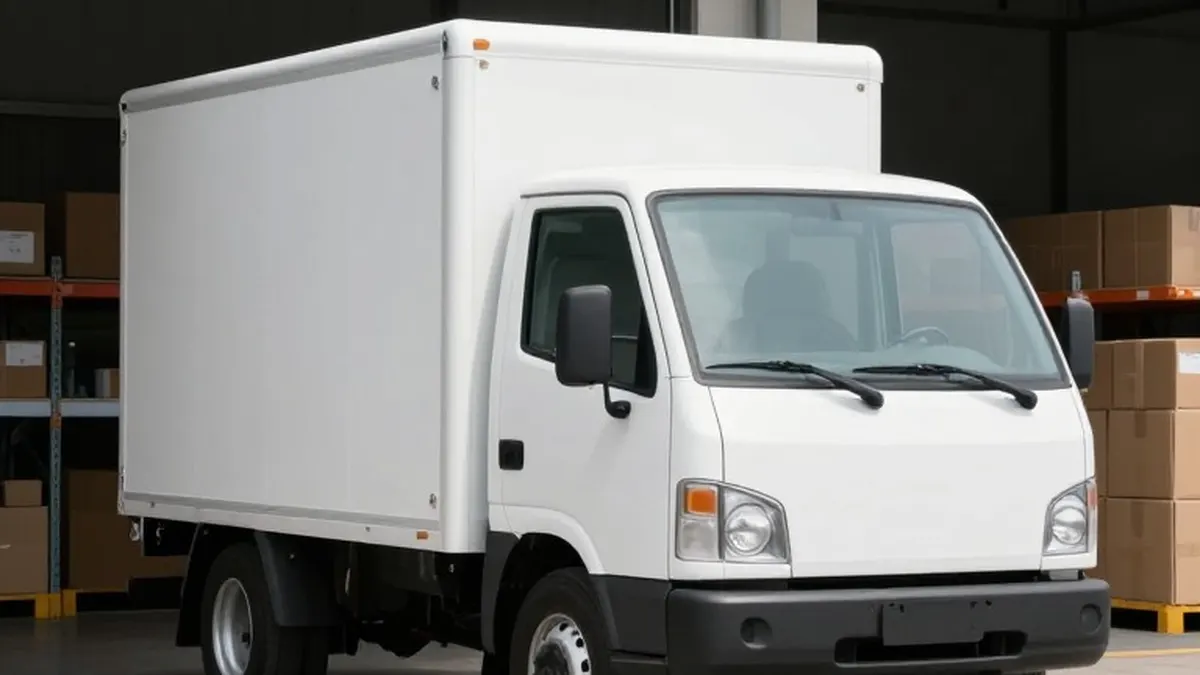
Electric truck manufacturer Harbinger has secured $240 million in a Series D funding round, a significant financial milestone achieved earlier this month. This capital raise follows a series of high-profile commercial wins, including a $300 million order from FedEx and a new defense contract with the US military. These developments position the company as a prominent player in a sector where many legacy automakers have recently slowed their electric vehicle efforts.
CEO John Harris explains that Harbinger is deliberately avoiding the consumer market hype cycle. Instead, the company focuses on Class 4 through 6 delivery vans and box trucks, which are essential for economic operations but often overlooked by major manufacturers. Harris argues that the large, obvious problems in the auto industry are being solved by everyone, leading to thin profit margins. By targeting commercial segments where traditional trucks are less effective, Harbinger aims to solve persistent logistical issues that businesses have long accepted as unavoidable costs.
The company was founded in 2021 by executives with experience at Canoo, QuantumScape, and Faraday Future. They identified a structural gap in the automotive market where passenger car platforms lack the necessary durability for commercial use, while heavy-duty platforms are too costly and bulky for medium-duty applications. Harris describes the space between Class 1 and Class 8 vehicles as a wasteland that is too small for large automakers to prioritize.
Ford and General Motors previously attempted to electrify this medium-duty segment with models like the E-Transit and BrightDrop. However, slow sales and the removal of federal incentives led to the discontinuation or cancellation of these vehicles. Harris believes large automakers are poorly suited for this specific task because they rely heavily on third-party suppliers. This reliance spreads out development efforts and increases costs, making it difficult to achieve a strong return on investment. In contrast, Harbinger pursues a vertically integrated approach, assembling its own battery packs and drive units in-house, with plans to produce inverters internally as well.
Harris and his co-founders have experienced failure in previous ventures, including Canoo, which filed for bankruptcy in 2025. Harris himself worked at Faraday Future, Xos Trucks, and Anduril before starting Harbinger. He notes that his past companies failed due to market fit and leadership issues rather than engineering flaws. He emphasizes that electric vehicles are only viable when they are competitive in acquisition price with their combustion engine counterparts, a standard that requires vertical integration to meet.
Harbinger offers both battery-electric and plug-in hybrid powertrains for its medium-duty trucks. The company is not currently pursuing Class 8 heavy-duty trucks, such as the Tesla Semi, because Harris believes the economics of electric long-haul trucking are not yet workable for the majority of the market. He has even suggested placing the Tesla Semi on a watch list alongside the Cybertruck, indicating his view that these are niche markets rather than primary growth areas.
The company is also expanding into energy storage and military technology. Harbinger supplies battery power systems to Airstream and partners with American Rheinmetall and Forterra to develop self-driving hybrid supply vehicles for the US Army. Additionally, the startup recently acquired Phantom AI to integrate advanced driver-assistance features into commercial fleets, aiming to provide companies with measurable returns on their safety investments.
With substantial new capital and major contracts already secured, Harbinger has overcome the initial funding hurdles that affected its founders' previous projects. The next challenge is proving the ability to build these vehicles at scale. Harris notes that while the automotive industry is punishingly difficult, it is also a massive opportunity. Success in this sector can translate to dominance in other markets where competition is generally weaker.
More News · National news · Report a business · Got a Story?