Iran claims new air defence system downed US drone over Hormuz
The IRGC announced the interception of an MQ-9 Reaper, marking the 58th aircraft lost by Iranian forces since the war began in February.
By Priya Marino ·
The Islamic Revolutionary Guard Corps announced on Saturday that its forces had shot down a US MQ-9 Reaper drone in the Strait of Hormuz. According to Iranian state media, the military unit stated that the drone was detected, tracked, and destroyed by a newly deployed air defence system.
The IRGC identified this incident as the 58th aircraft destroyed by Iranian forces since the start of the conflict. This latest loss adds to a significant tally of military hardware lost during the ongoing war.
Previous data from the US military indicated a substantial loss of aerial assets. In August, officials stated that at least 45 MQ-9 Reaper drones had been lost during the war. This figure represented roughly a quarter of the US fleet, with equipment costs estimated at more than $1.3 billion by The Washington Post.
The incident occurs against a backdrop of renewed tensions between Washington and Tehran. Recent days have seen attacks on commercial vessels near the strait, further complicating regional security.
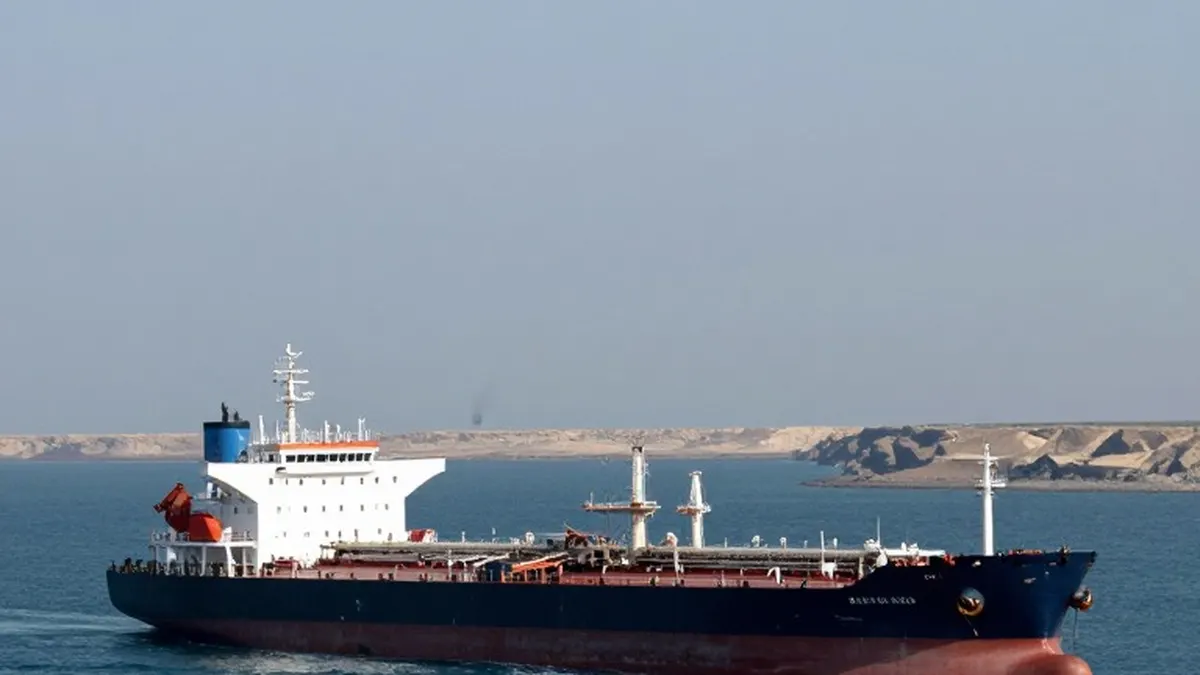
The UK Maritime Trade Operations reported that a commercial tanker was struck by an unknown missile approximately 11 nautical miles north of Khasab port in Oman. In response to attacks on US personnel and property, the US military announced on Tuesday that it had targeted a missile launching site on Iran's Qeshm Island.
Iran retaliated by attacking US drone and missile facilities at the Ali al-Salem air base in Kuwait. Kuwait reported responding to hostile drone activity, while Bahrain stated that it had intercepted Iranian aerial attacks.
The conflict, which began on 28 February with a joint launch by the US and Israel, has significantly disrupted shipping through the Strait of Hormuz. This waterway is one of the world's most critical energy corridors, handling around 25 per cent of global sea-borne oil trade in 2025.
Despite a memorandum of understanding signed in June to facilitate dialogue on issues such as free passage and sanctions, the agreement did not lead to a lasting settlement. The two nations continue to disagree on maritime security and the terms of a broader deal.
Washington has intensified economic pressure on Tehran as the sides remain at odds over ending the war and restoring navigation. The US Treasury recently imposed sanctions on four individuals designated as oil trustees. These individuals, including former IRGC intelligence officer Mohammad Javad Bavand and Majid Taj, were accused of facilitating revenue from Iranian oil sales to help bypass sanctions and the US-imposed blockade.
Under the new sanctions, all US-held assets of the individuals are frozen, and they are barred from conducting business with US-based entities without specific authorisation. The blockades, which began on 13 April, involve the US Central Command blocking sea traffic to and from Iranian ports while allowing ships to pass through the strait to and from non-Iranian ports.