Midterm vote tests Trump's grip on party as Democrats target both chambers
Early voting data suggests a difficult night for Republicans, while federal agencies and volunteer monitors prepare for potential election day interference.
By Chioma Brooks ·
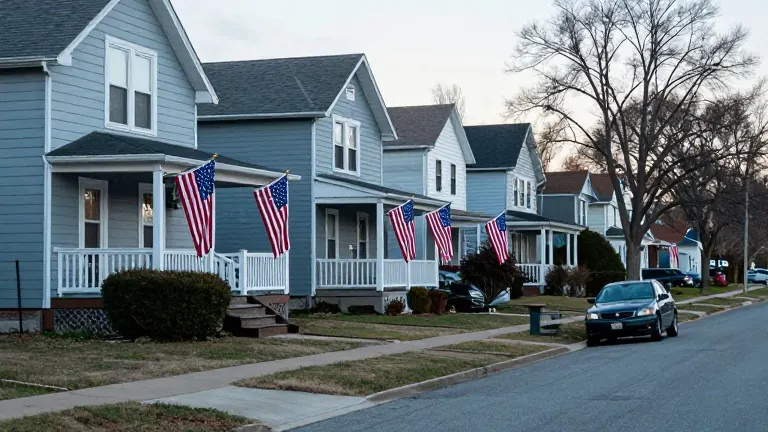
More than 50 million Americans have already cast ballots ahead of Tuesday's midterm election.
President Donald Trump is not on the ballot, yet he has encouraged voters to treat the day as a referendum on his two-year administration. Polling and historical patterns suggest the Republican Party faces a challenging night. Democrats are aiming to capture majorities in both the House and Senate to limit presidential power after two years of a compliant Republican Congress.
The path to controlling both chambers is historically rare. Since World War II, the House and Senate have flipped party control in the same midterm only in 1946, 1994, and 2006. Those shifts occurred during periods of high voter frustration with the sitting president. Strategists say Democrats are on track to win a House majority, which Republicans currently hold by a 220-215 margin. However, redistricting and deep geographic partisan divides have reduced the number of competitive races compared to previous cycles. In 2018, Democrats gained 40 net seats when the House flipped. This year, Democrats are targeting more than 60 districts, including seats where Trump won by double digits in 2024.
Key early indicators will emerge from Pennsylvania's 1st District, where Republican Brian Fitzpatrick holds a suburban Philadelphia seat. Florida's redrawn 22nd and 25th Districts were designed as Republican pickups but face competitive challenges. In Virginia, Jen Kiggans faces Elaine Luria in the 2nd District, while Democrat Shannon Taylor challenges Republican Rob Wittman in the 1st District. The Senate race requires Democrats to win four seats to take control from Republicans' current 53-47 advantage. Targets include Ohio, Iowa, Kansas, Texas, and Alaska. A loss in Georgia or North Carolina could signal a stronger Republican showing nationally.
Government watchdogs and Democratic groups have trained tens of thousands of volunteers to monitor polling places. The Trump administration is sending approximately 1,000 Justice Department staff to observe voting and ensure federal laws are followed. In Alaska, the administration hinted at federal intervention after a judge rejected a lawsuit seeking to block the certification of the Senate race if Republican Dan Sullivan loses. Trump called the situation "voter fraud at the highest level." The administration also attempted to prevent California from counting 20,000 ballots from individuals identified as likely noncitizens, a move that failed. The White House says it has no current plans to deploy immigration agents or the National Guard to large Democratic precincts.
The outcome will also shape the internal direction of the Democratic Party. Progressive candidate Abdul El-Sayed is seeking to win the Michigan Senate seat against Republican Mike Rogers. A victory would mark a major gain for the party's left wing in a state that helped elect Trump twice. In Minnesota, Lieutenant Governor Peggy Flanagan is defending a Democratic-held open seat against Republican Michele Tafoya. Losses in both states could cost Democrats Senate control and intensify internal debates over party identity. Conversely, victories across urban, suburban, and rural districts would leave the party's ideological tug-of-war unresolved and set the stage for a wide-open presidential nominating fight.
Trump's push for gerrymandering last year triggered a wave of redistricting across the country. The U.S. Supreme Court gutted parts of the Voting Rights Act, allowing several Southern states to redraw districts that had majority or near-majority Black populations. On paper, the new maps suggest a net shift of nine seats to Republicans. However, the plans in Florida and Texas relied on support from Latino and other nonwhite voters who backed Trump in 2024. Tuesday's results will determine whether the redistricting efforts provide a clear Republican benefit or prove that spreading conservative supporters across more districts can backfire.
The governor's race offers a chance for historic diversity in state leadership. Maryland Governor Wes Moore, the only current Black governor, is seeking reelection. Seven other major party nominees are Black, including men and women from both parties. Each would become their state's first Black governor. Georgia Democrat Keisha Lance Bottoms and Minnesota Republican Lisa Demuth are attempting to become the first Black women to serve as governors. Michigan's John James and Florida's Byron Donalds are seeking to become the first Black Republican men elected to the office. In Texas, Democrat Gina Hinojosa is running to break the state's barrier of never having a Latino governor. New Mexico's Deb Haaland, a former interior secretary, is seeking to become the first Native American woman to hold a state's top job.
Source: The News-Herald