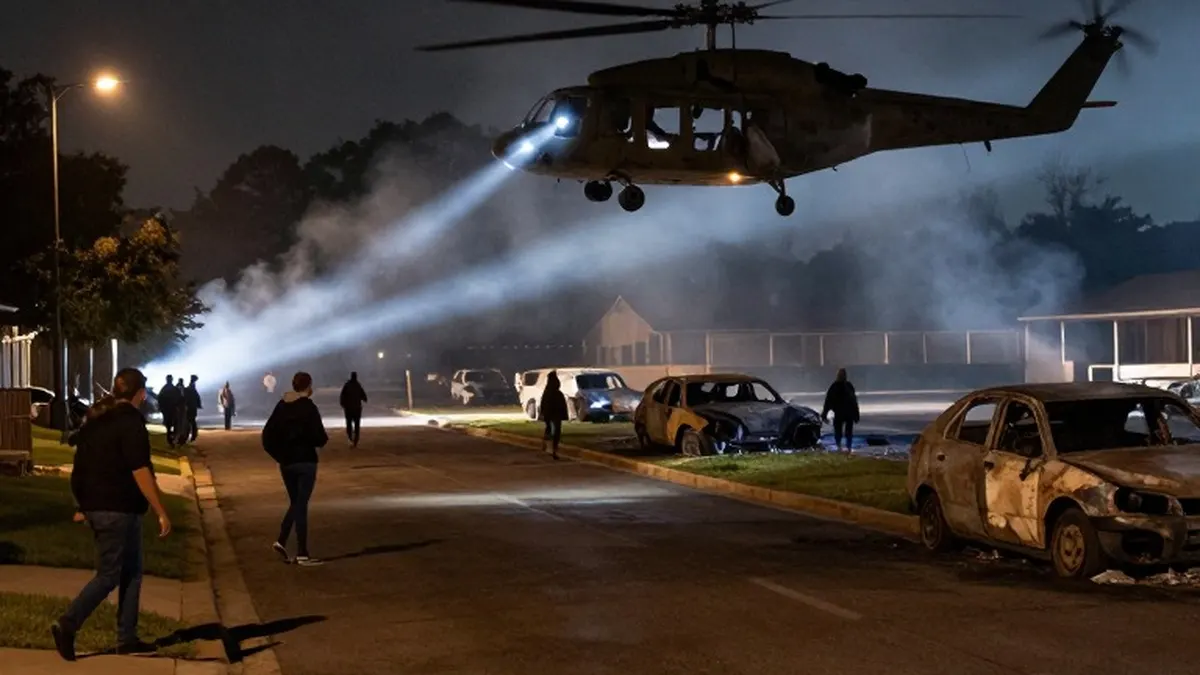
Geneva talks yield compromise on rules for autonomous weapons
United Nations member states agreed to develop specific guidelines for lethal autonomous weapons by 2028, a move that drew mixed reactions from diplomats and advocacy groups.
By Chioma Brooks ·
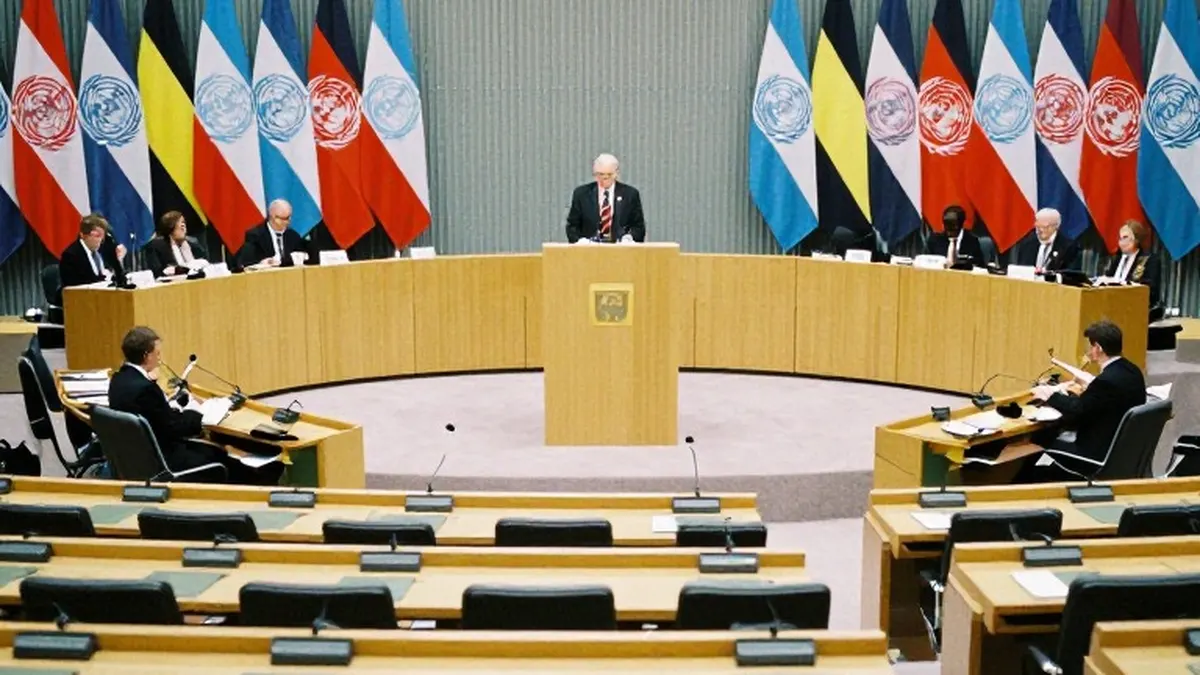
Delegates from 128 countries gathered in Geneva, Switzerland, to reach a consensus on the future regulation of lethal autonomous weapons, commonly referred to as killer robots. The agreement, announced on Saturday, commits the participating nations to elaborate on a potential accord within the next two years. This development marks a significant milestone in the ongoing efforts to establish international standards for weapons systems capable of selecting and engaging targets without direct human intervention.
The decision was finalized during a session of the Convention on Certain Conventional Weapons. The outcome reflects a compromise reached after nearly 100 nations advocated for the rapid adoption of legally binding regulations. These supporters argued that clear rules were necessary to govern systems that can kill without a human making the final decision to fire. The push for swift action highlighted growing concerns among many states regarding the increasing autonomy of modern military technology.
However, the path to agreement was not without significant friction. Key arms-producing nations, including the United States, Russia, and Israel, opposed the initial push for immediate binding rules. Under the rules of the convention, any decision requires the unanimous agreement of all member states. This requirement meant that the objections raised by major military powers carried substantial weight in shaping the final text.
Diplomatic sources indicated that procedural disagreements, particularly from Russia, caused some formal sessions to be cancelled during the negotiations. The talks regarding the final wording of the agreement continued late into the night as delegates worked to find common ground. The intensity of the discussions underscored the difficulty of aligning the diverse perspectives of the international community on this complex issue.
Julien Thoeni, the Swiss diplomat who chaired the conference, noted that the term negotiate was rejected by several countries during the deliberations. Consequently, the agreed-upon text uses the term elaboration to describe the development of the new instrument. Thoeni characterized the result as a significant step forward for humanitarian disarmament after more than a decade of discussions on the topic.
In a statement to reporters as the meeting concluded, Thoeni emphasized the importance of the achievement. He remarked that the outcome demonstrates that multilateral diplomacy can still produce concrete results, even in a deeply divided world. He explained that the upcoming process will determine which specific weapons systems should be banned under international humanitarian law and which can be permitted subject to regulatory oversight.
Despite the diplomatic success, advocacy groups expressed reservations about the strength of the new mandate. Stop Killer Robots, a coalition comprising 300 organizations opposed to the development and use of autonomous weapons, described the agreement as watered down. The group argued that the mandate does not provide a clear pathway toward the legally binding rules they have long sought.
Nicole van Rooijen, the executive director of Stop Killer Robots, highlighted the practical reality that autonomous weapons are already being deployed in combat zones. She pointed to systems that utilize artificial intelligence to select targets as a primary concern. Speaking to the AFP news agency, she warned that delaying the creation of a legally binding instrument puts civilians and humanity at risk.
Verity Coyle, deputy director for arms at Human Rights Watch, shared a similar view, describing the outcome as disappointing. She noted that the agreement does not provide the urgent action needed to agree on new rules while the underlying technology continues to advance rapidly. Her comments, also shared with AFP, reflect the broader sentiment among human rights organizations that the pace of diplomatic progress must match the speed of technological development.
The two-year timeline for elaborating the instrument means that the next period will be critical for defining the scope of the regulations. While the agreement does not immediately impose a ban, it sets the stage for more detailed negotiations in the coming years. The international community will now focus on determining the specific parameters that will define acceptable use of these systems in future conflicts.