NSA outage disrupts Middle East intelligence links during Iran conflict
A technology outage at the NSA disrupted classified communications with a key Middle East intelligence facility, though officials say core operations remain intact and the cause is likely internal rather than a cyberattack.
By Chioma Brooks ·
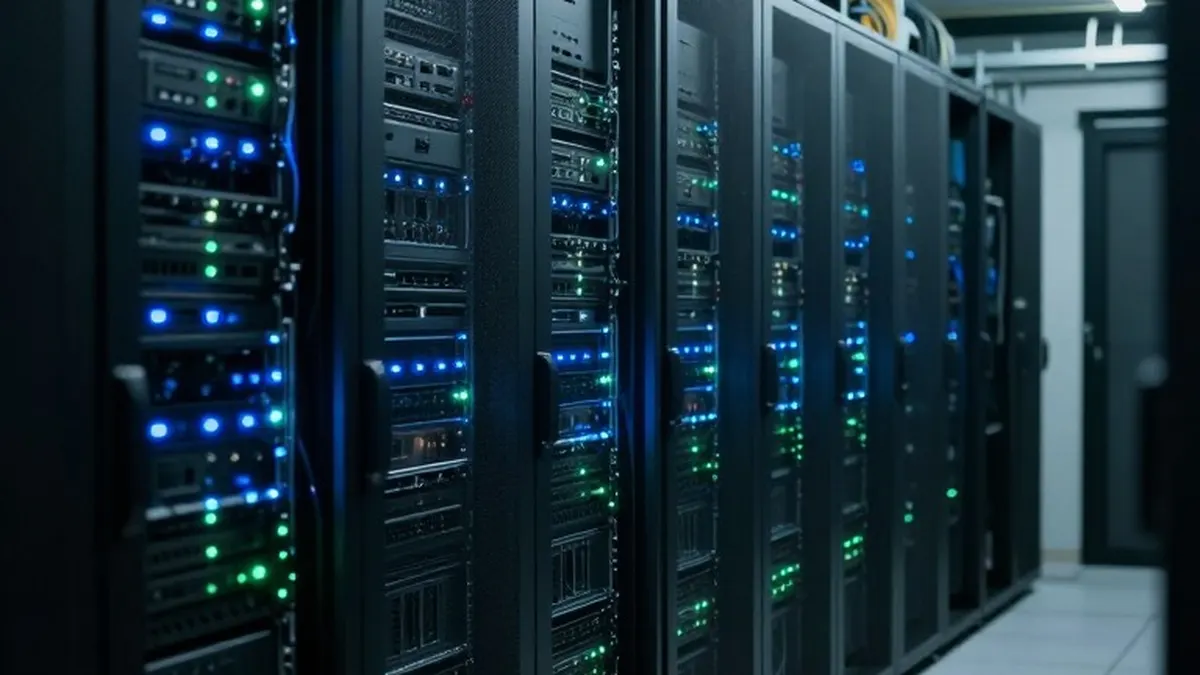
A significant technology failure at the National Security Agency has temporarily disrupted classified communications with a critical intelligence facility in Georgia. The outage, which occurred while American forces remain engaged in a war with Iran, forced many agency employees to stay home for two consecutive days. Reports indicate that the disruption affected the agency's cryptologic center, which oversees signals intelligence and cybersecurity operations focused on the Middle East.
According to four sources familiar with the matter, personnel at the Georgia facility were unable to use NSANet, the NSA's internal classified communications network, to connect with colleagues deployed across the region. Despite this loss of direct connectivity, US officials emphasized that the agency's most sensitive intelligence-gathering systems remained operational. Alternative communication channels allowed staff to continue sharing classified information, preventing a complete shutdown of collection capabilities.
The incident has raised questions regarding the resilience of American intelligence infrastructure during an active military conflict. The timing of the outage is particularly significant given the heightened intelligence requirements associated with the ongoing US military confrontation with Iran. A former senior NSA official noted that while the network outage could temporarily prevent an official in a Middle Eastern capital from accessing a specific intelligence report, the information could still be obtained through other means.
The disruption extended beyond the Georgia facility to affect the NSA's headquarters at Fort Meade, Maryland. An internal operational notice instructed nonessential daytime personnel in Maryland not to report for duty unless directed by their supervisors. As of Wednesday, many employees at the Maryland headquarters were still unable to return to work, highlighting the widespread impact of the technical failure.
US officials briefed on the incident suggest that the outage was connected to efforts to install software updates addressing vulnerabilities in PHP, a widely used programming language. These vulnerabilities were identified with the assistance of artificial intelligence tools, which have enabled cybersecurity researchers to discover software weaknesses at an unprecedented speed. This development highlights a modern irony, where technologies designed to strengthen cybersecurity may have contributed to disruptions at one of the world's most sophisticated intelligence agencies.
Senator Mark Warner, the ranking Democrat on the Senate Intelligence Committee, warned that AI is placing unprecedented pressure on organizations to respond rapidly to newly discovered vulnerabilities. He stated that the resulting rush to install patches is putting tremendous strain on infrastructure not originally designed for such rapid changes. The incident illustrates a growing challenge for the cybersecurity industry: balancing the urgency of addressing security flaws against the risks of destabilizing complex computer networks.
The Trump administration has repeatedly rejected suggestions that the NSA outage was part of a coordinated hostile operation. Director of National Intelligence Jay Clayton testified before the House Homeland Security Committee on Wednesday, expressing a very high level of confidence that the disruptions were not the result of cyberattacks. Clayton explained that intelligence officials had examined the incidents for techniques typically associated with malicious cyber operations and found none.
Secretary of State and National Security Adviser Marco Rubio delivered a similar message on Tuesday, declaring that the United States is not under a systemic attack. The administration has maintained that recent disruptions affecting aviation, banking, and government systems were unrelated and resulted from separate technical issues.
A senior administration official acknowledged that efforts to restore the affected systems were progressing slower than expected. For now, American officials insist that critical intelligence operations remain functional. The agency continues working to restore normal access to its internal networks, demonstrating how even routine cybersecurity maintenance can have significant operational consequences in an active war zone.