Puerto Rico's Home Batteries Prevented 60 Outages Since June
The utility draws power from 115,000 residential batteries to support the grid, a system that has expanded rapidly since a 2023 pilot.
By Priya Marino ·
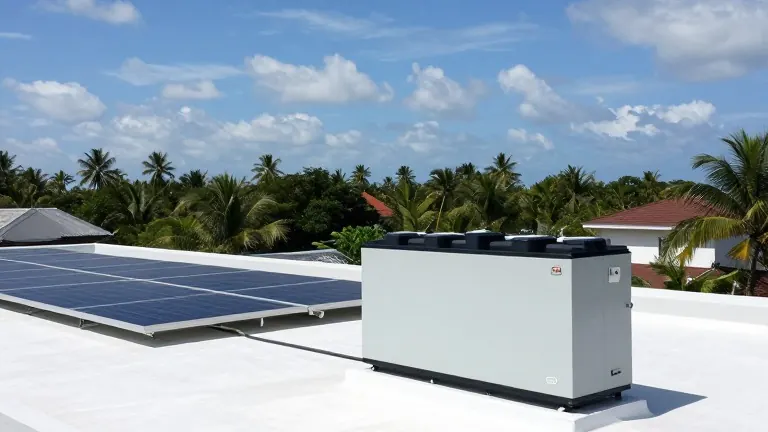
Luma Energy, the utility serving the island, has prevented or mitigated more than 60 power outages since June 1 by drawing energy from residential batteries. The company operates a virtual power plant that aggregates stored electricity from nearly 115,000 homes to support the grid when demand exceeds capacity.
Hector Rios, a 75-year-old resident of Cabo Rojo, had his home battery used for nearly 20 days in October. He earned $162 in compensation last year for the energy he shared, which he redeemed for a gift card. Rios said he opts out of sharing events when bad weather is forecast to preserve backup power for storms.
The program began as a small pilot in late 2023. When Luma predicts an energy deficit, customers receive a digital notification and can choose to opt out or adjust the percentage of their battery capacity they share, typically around 30 percent. More than half of the island's solar customers now participate in the system.
Javier Rua Jovet, chief policy officer at the Solar and Energy Storage Association of Puerto Rico, described the technology as a superior alternative to traditional power plants. He noted that the system provides reliable support to the community, a model that aligns with trends in dozens of U.S. states using distributed energy sources to manage grid stability.
The infrastructure relies on a network of over 207,000 rooftop solar systems, a twenty-fold increase from pre-Hurricane Maria levels. Nearly every installation includes a battery to provide backup power. This decentralized approach emerged after the 2017 storm left communities without power for months and prompted a shift toward resilience.
A 2026 survey by Solar United Neighbors found that some participants are critical of the compensation structure, which varies by solar provider. Others expressed hesitation due to a lack of understanding or fear of losing backup power during storms. Luma pays solar providers three times the residential electricity price for the energy it acquires, a cost that has contributed to recent rate increases.
The territory is set to spend over $1.7 billion this year on fuel imports for power generation. Alejandro Figueroa, Luma's chief regulatory officer, said a daily use model for batteries could play a larger role in the energy future but would require a different design and compensation structure. Experts caution that the virtual power plant cannot solve the energy crisis alone and that long-term stability requires deploying billions of unspent federal recovery dollars and building new generation facilities.
More News · National news · Report a business · Got a Story?