Rubio Pitches Secret CIA Deal to Cubans as Trump Orders 50-Yard Naval Stop
The secretary of state urged islanders to seek change through a private partnership with the intelligence agency following the president’s new warship directive.
By Abigail Brooks ·

Secretary of State Marco Rubio declared that the moment for political change in Cuba is now, urging citizens to pursue a private partnership with the Central Intelligence Agency. His social media post, addressed to those seeking positive change, cited corruption and the privileged lives of a few as drivers for action. Rubio, whose parents emigrated before the socialist revolution, used the word discrete in the post, a term meaning separate rather than the likely intended word, discreet, which implies secrecy or privacy.
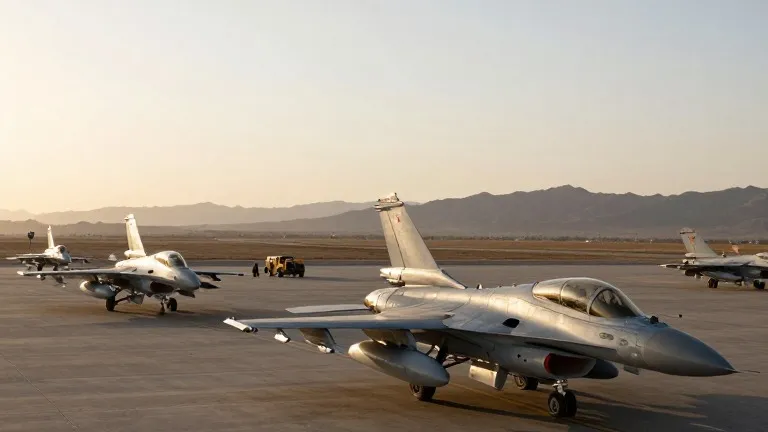
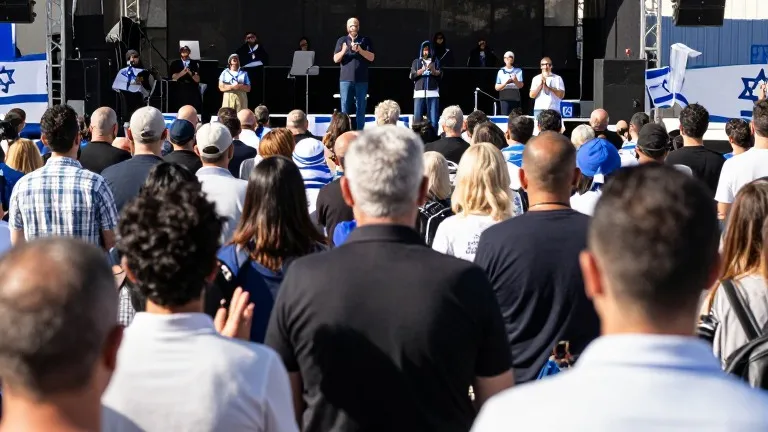
The message followed President Donald Trump’s announcement at a Friday rally in south Florida. Responding to a question from the crowd about the island, the president said American warships returning from the Iran conflict would make a stopover. He specified that one ship would stop approximately 50 yards off the coast. Trump described a scenario where sailors would raise their hands before Rubio arrived to finalize a deal.
Trump first introduced this naval concept earlier in the year but had not referenced it in recent months. The rally took place days before midterm elections, where voters expressed concern over price increases for gas and groceries linked to the war in Iran. The timing of the announcement coincided with a period of uneven diplomacy between the two nations.
Havana reacted with skepticism on Friday. Carlos Fernandez de Cossio, the Cuban deputy foreign minister, posted on X that the United States was resorting to public recruitment for the CIA. He characterized the move as evidence of desperation within the agency, comparing the effort to selling toothpaste.
Both leaders have maintained an aggressive posture toward the island. Trump previously suggested Cuba would be the next target for intervention after the Iran war concludes. In May, he and Rubio raised the possibility of military action, a threat that gained weight after the administration filed criminal charges against former leader Raul Castro. Trump told reporters in the Oval Office that he believed he would be the president to execute the intervention, despite earlier leaders considering it for decades. Rubio stated that Cuba remains a national security threat due to its ties to US adversaries and doubted a peaceful resolution with the current government.
Rubio had not discussed Cuba in detail for several weeks prior to this week. In a September 29 interview on Fox News, he told Sean Hannity that Cuba has already fallen and is run by people preaching a dead revolution. He expressed hope for a different path and stated the US would not allow the island to become a base for operations against American interests. He did not mention a CIA operation during that interview.
Diplomatic efforts have stalled. Senior US aides met with Cuban officials in recent months to explore better relations, but the US side was unimpressed, leading to additional sanctions. At the United Nations General Assembly last month, Trump said Rubio was deeply engaged in negotiations and expected a deal that would avoid military necessity. However, the two governments clashed earlier this week at the UN as Washington worked to build opposition to an annual vote condemning the US economic embargo.
Cuba has faced an economic and energy crisis since 2020. Its gross domestic product has shrunk, and its 10 million residents have endured blackouts, food shortages, and high inflation. Waves of protests have emerged, and hundreds of thousands of Cubans have emigrated, with many moving to the United States.