Leaked Russian records point to 450,000 war dead in Ukraine, dwarfing official silence
Records said to be stolen from Russia's state statistics agency indicate at least 450,000 people, most of them soldiers, have died in the war in Ukraine, a toll Moscow has never acknowledged.
By Priya Marino ·
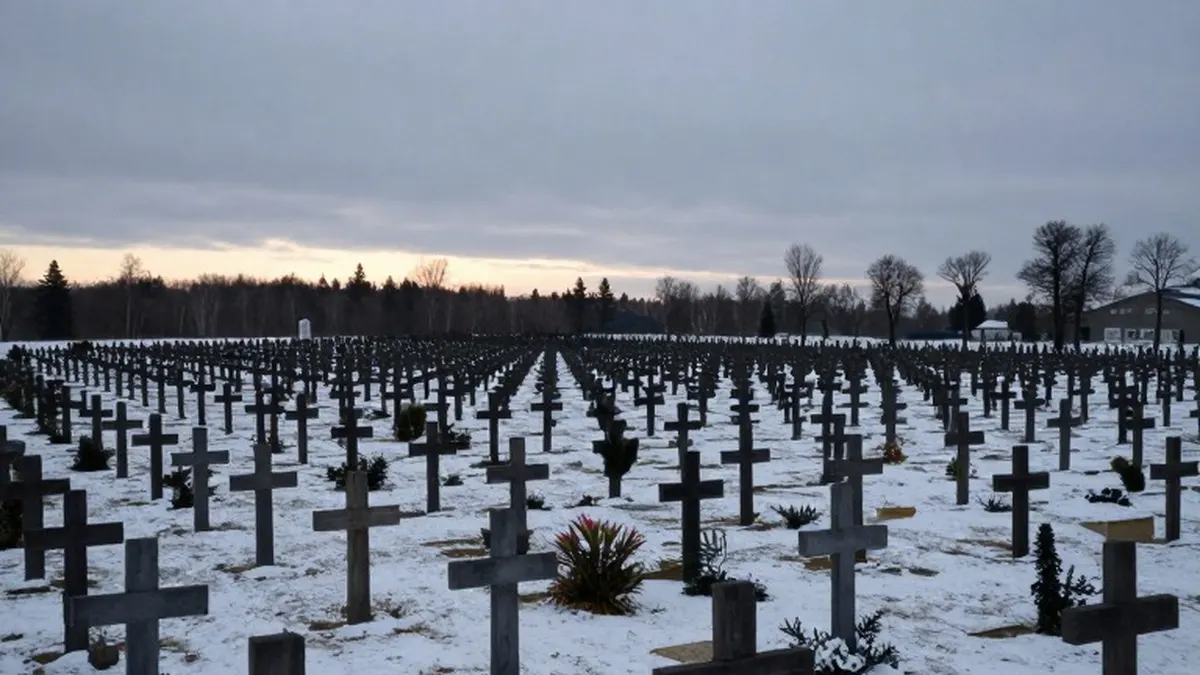
At least 450,000 Russians, most of them soldiers, died in the war in Ukraine up to August this year, according to records leaked from Rosstat, Russia's state statistics agency. Among the dead were more than 4,000 foreign citizens believed to have been fighting for Russia, from countries including Uzbekistan, Tajikistan, Nepal, Colombia and Nigeria.
The records were obtained by two hacking groups, the Belarusian Cyber Partisans and Ukraine's Silent Crow, which said on November 1 that they had broken into Rosstat's network. The groups published their own analysis and shared the files with several news organisations, though the data has not been independently verified. Rosstat confirmed it had been hit by cyberattacks between October 29 and November 1, but said it found no evidence that its databases had been compromised or that protected data had leaked. Moscow does not officially publish its military death toll.
Many analysts nonetheless believe the files are genuine. Janis Kluge, an expert on Russia at the German Institute for International and Security Affairs, wrote on X: "There is no longer any doubt that the leaked Rosstat database is authentic." He acknowledged the data could theoretically have been manipulated to inflate the death toll, but called that "a highly unlikely conspiracy theory" because it would be unbelievably difficult to pull off.
The files list about 410,000 deaths directly as war-related, plus 42,000 more fighting-age men whose deaths were confirmed in court because their bodies were never recovered. The Financial Times identified another 12,000 likely military deaths among men who died at or near the front, bringing the total to at least 450,000. Because deaths in Russia can take months or even years to register, the newspaper concluded the toll up to August will eventually settle at about 550,000.
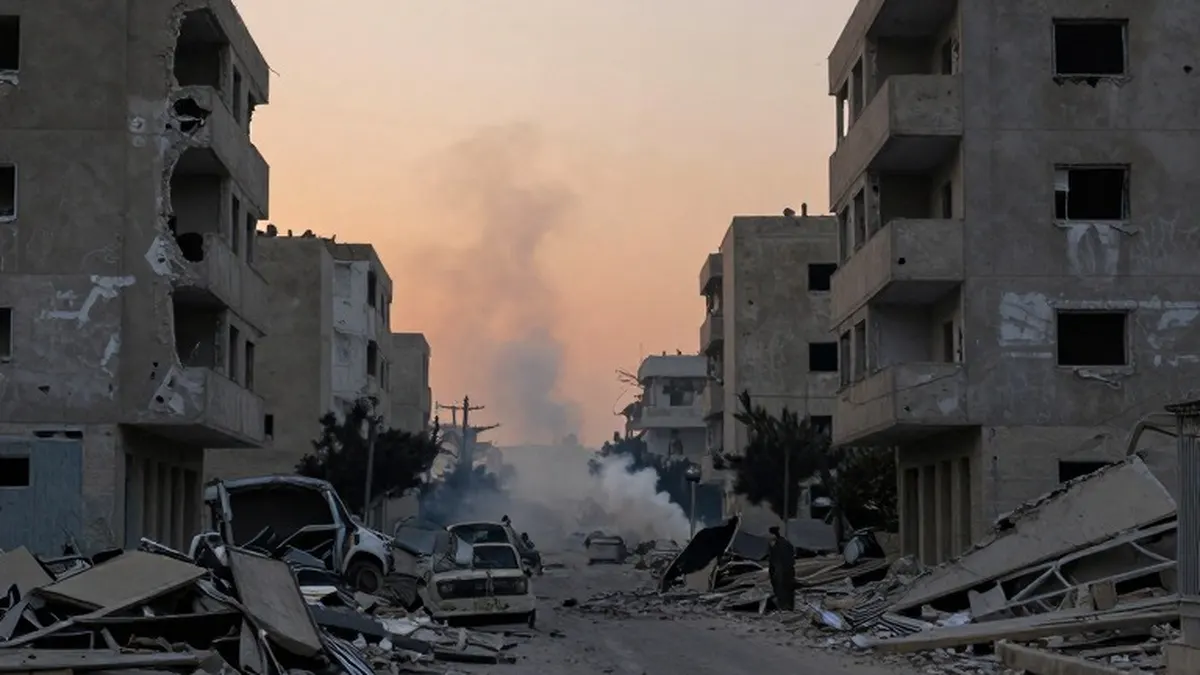
The heaviest losses were recorded around the war's fiercest battles. About 120,000 of those with a recorded location died in the area containing Avdiivka and Pokrovsk, and a further 48,000 in Bakhmut, the FT reported. Avdiivka, a small industrial city in the Donetsk region, fell to Russia in 2024 after two years of bitter fighting, while the coal-mining city of Pokrovsk was captured in early 2026 after more than a year of gruelling battles that left it in ruins. Bakhmut was the site of the longest and bloodiest infantry battle of the war before falling to Russian and paramilitary Wagner Group forces in May 2023.
The dead skew older and come disproportionately from poorer, often minority regions. The average age of those killed rose from 34 in the first year of the war to 40 in 2025, and men aged 35 to 44 made up the largest group, with 158,000 dead. Zabaykalsky Krai, home to a large community of Buryats, an Indigenous Mongolic people of southern Siberia, recorded about 12,300 deaths, roughly one for every 80 people in the region. Bashkortostan, another region with large Indigenous Bashkir and Volga Tatar populations, recorded 15,800 deaths.
The FT counted 4,141 probable foreign soldiers among the dead, while Bloomberg News, using a wider definition that includes people born outside Russia, counted 11,335, with foreign deaths rising from about 630 in 2022 to more than 5,500 in 2025. Uzbekistan suffered the highest toll at 807, followed by Tajikistan with 598. About 340 Africans are among the dead, most killed since 2025. An estimated 28,000 foreigners from 136 countries are said to be fighting in the Russian army, and an Amnesty International report in September found that recruits from countries including Brazil, Colombia, Sri Lanka and South Africa were promised well-paid civilian jobs and then forced into the army on arrival. One South African man's wife told the group: "Upon arrival to Moscow, everything was taken from him. He was told that he would not be going to Poland and that he is becoming a soldier." Moscow denies coercing anyone to fight in Ukraine.
The Institute for the Study of War, a Washington-based think tank, said the figures likely understate Russia's true losses and that, as of July, Russia's casualties were outpacing its recruitment. Kluge told The Moscow Times the deaths represent about half a per cent of Russia's working-age population, making the main significance political rather than economic. "You cannot say Russia is winning this war if it is losing population at this rate," he said.