Sequence ingredients to reduce Thanksgiving washing
Kitchen experts outline ten practical strategies for using the appliance efficiently, from placement to cleaning.
By Abigail Brooks ·
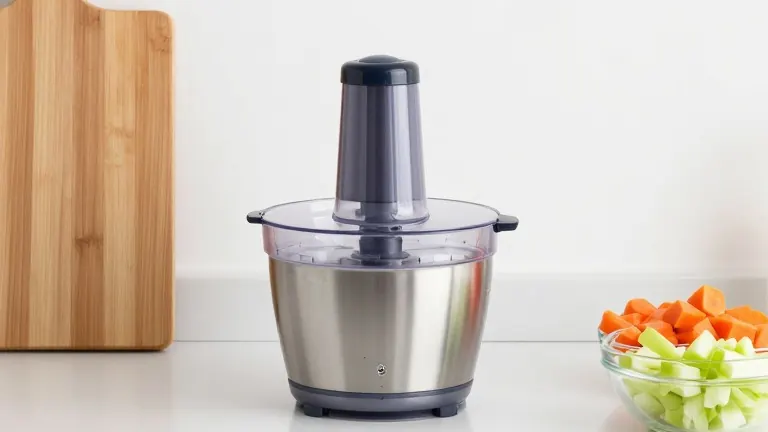
A food processor can handle nearly every component of a Thanksgiving meal, from chopping vegetables for salads to kneading dough for pies. However, the utility of the machine depends heavily on how it is positioned, loaded, and maintained. Improper use can lead to uneven results, messy kitchens, and damaged blades. Planning the workflow before turning on the motor is essential for success.
Placement is the first step in the process. The appliance should sit on a stable, dry surface that is close to a cutting board but far enough from the sink to avoid water splashes. Clear space must be available on both sides of the unit to allow room for utensils and ingredients. This setup prevents the need to move the heavy base during active cooking.
Assembly requires attention to detail. The blade must be locked firmly into place, and the bowl must be secure on the base. Most units produce an audible click or noise when the components are correctly aligned. If the parts are not properly fitted, the machine will not turn on, which can disrupt the cooking sequence if ingredients have already been added.
Sequencing ingredients reduces the cleaning burden. Dry items such as nuts should be processed first. Watery vegetables follow, while meats, cheeses, and doughs should be reserved for last. This order prevents the need for a deep wash between tasks. Processing dry ingredients first keeps the blade cleaner and reduces the time spent scrubbing the bowl.
The pulse function allows for quick, even chopping without turning ingredients into a paste. This is useful for dicing carrots, onions, celery, and peppers for soups and salads. Holding the button down for too long converts the texture into a puree. Many machines include separate buttons for chopping and pureeing to help users distinguish between these two distinct textures.
Firm ingredients should be added to the bowl before softer ones. The processor applies the same power and speed to all items inside. Breaking down tough materials first ensures they are fully processed before softer items are introduced. Adding soft ingredients too early can result in a mixture where the harder pieces remain intact.
Patience is required for certain tasks. Making nut butters or processing hard cheeses takes time. Rushing the process can overheat the motor or damage the blade. Additionally, hot ingredients should cool down before being placed in the bowl. Processing hot items immediately can cause steam to build pressure, increasing the risk of ingredients splashing out when the lid is lifted.
Overfilling the bowl is a common error. The container should not be filled more than halfway, especially when working with liquids. Too many solid ingredients can prevent items near the top from reaching the blade. Starting with a small amount and adding more as the initial batch is processed ensures consistent results.
The feed chute allows users to add ingredients while the motor is running. This feature saves time by eliminating the need to stop the machine, remove the lid, and refill the bowl. However, the chute is narrow. Large pieces of food can clog it, forcing the user to stop the machine and clear the blockage.
Cleaning the blade by hand prevents it from becoming dull. Running the blade through a dishwasher exposes it to other items that can chip or dull the edge. The blade should be washed carefully, dried immediately, and then returned to the bowl. This simple maintenance step extends the life of the tool and ensures it remains sharp for future use.
More Business · Consumer Watch · Report a business · Got a Story?