Sixty-eight dead as command error triggers second Spanish rail disaster in nine months
A failed safety system and conflicting orders led to a collision on the Madrid-Andalucía line, reigniting debates over maintenance spending and labor safety.
By Priya Marino ·
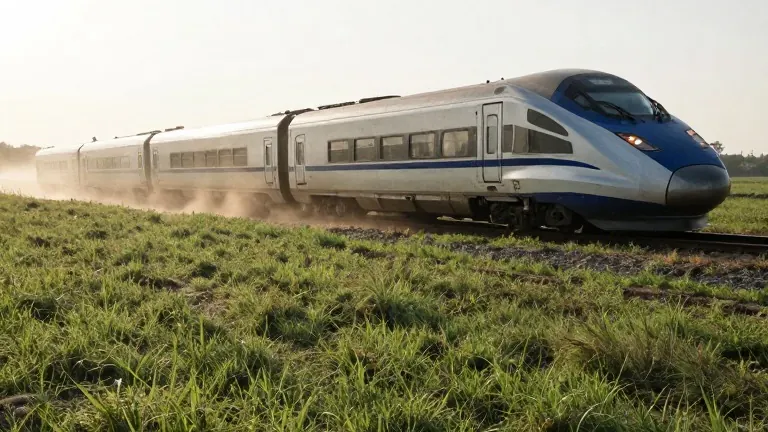
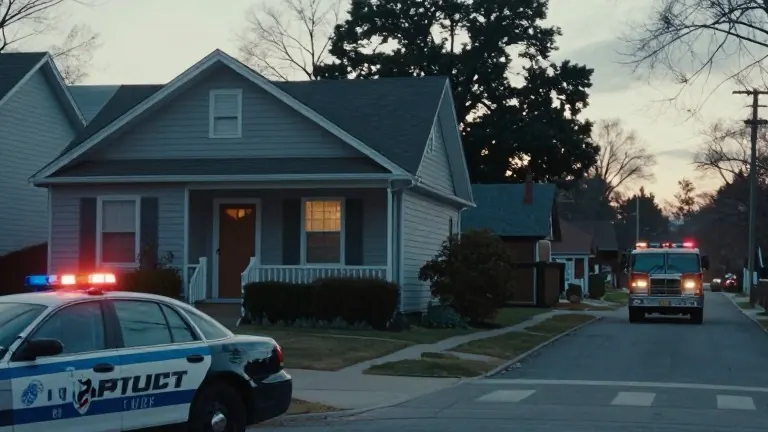
At least 68 people died on Wednesday morning after two high-speed trains collided near Los Yébenes in the Toledo province. The impact forced several carriages off the track in a rural area between two villages. At the time of the crash, the two trains carried a total of 544 passengers. Officials confirmed the death toll shortly after the morning incident, which marks the second major fatal accident on Spain's rail network in nine months.
Transport Minister Oscar Puente identified the cause as an inexplicable order from the central command center. According to Puente, a computer malfunction disabled the safety system on a 60km stretch of track at 8:30 am. This failure caused all trains on that section to stop. However, the command center instructed a state-owned Renfe train to resume movement without speed restrictions. That train struck the rear of a stationary private Iryo train at 8:53 am. Renfe stated in a release that it followed instructions to continue its route and collided with the stopped Iryo train for reasons it did not know.
The accident mirrors a January crash near Adamuz in Andalucía that killed 46 people. Both incidents occurred on the line connecting Madrid to the south, the oldest route on the high-speed network. Media outlets quickly noted that the same two operators were involved in both disasters. Rail unions have argued that the January incident should have triggered a deeper review of safety protocols, a debate they say has persisted since then.
The crash happened one day before a planned 24-hour work stoppage by Spain's largest train drivers' union at Renfe. The union stated earlier in the month that its goal is to change the system and make it safer. Their demands include climate emergency protocols and better communication channels for workers to report concerns. They also called for reliable and safe trains, demanding real and definitive technical solutions to issues that have long plagued the rolling stock. The group has also organized a rolling, six-day strike for drivers at the high-speed operator Ouigo.
Political scrutiny has intensified regarding railway maintenance spending. Pedro Sánchez's Socialist government has faced questions over whether enough funds have been allocated to upkeep. Train travel now accounts for about 57 percent of all transport in Spain. Ridership on high-speed trains grew by 40 percent between 2019 and 2024, a period that coincided with the opening of the network to private companies. In the first half of this year, 25 million passengers used these services.
The government reports that it has increased spending on railway network maintenance by 54 percent since taking power in 2018. Spain averages about €1.5 billion a year in high-speed network spending from 2018 to 2022, the highest in Europe. According to a Reuters analysis of EU data, more than 90 percent of the country's train network uses the highest level of safety control systems available in the bloc. However, only about 16 percent of that funding has been earmarked for maintenance, renewal, and upgrades, with the majority directed toward new infrastructure.
Source: The Irish Times