SNL sketch on sisterhood caregiving sparks national conversation
A viral Saturday Night Live sketch depicting the unpaid labor of female family caregivers has prompted reactions from politicians and millions of viewers who see their own lives reflected in the satire.
By Chioma Brooks ·
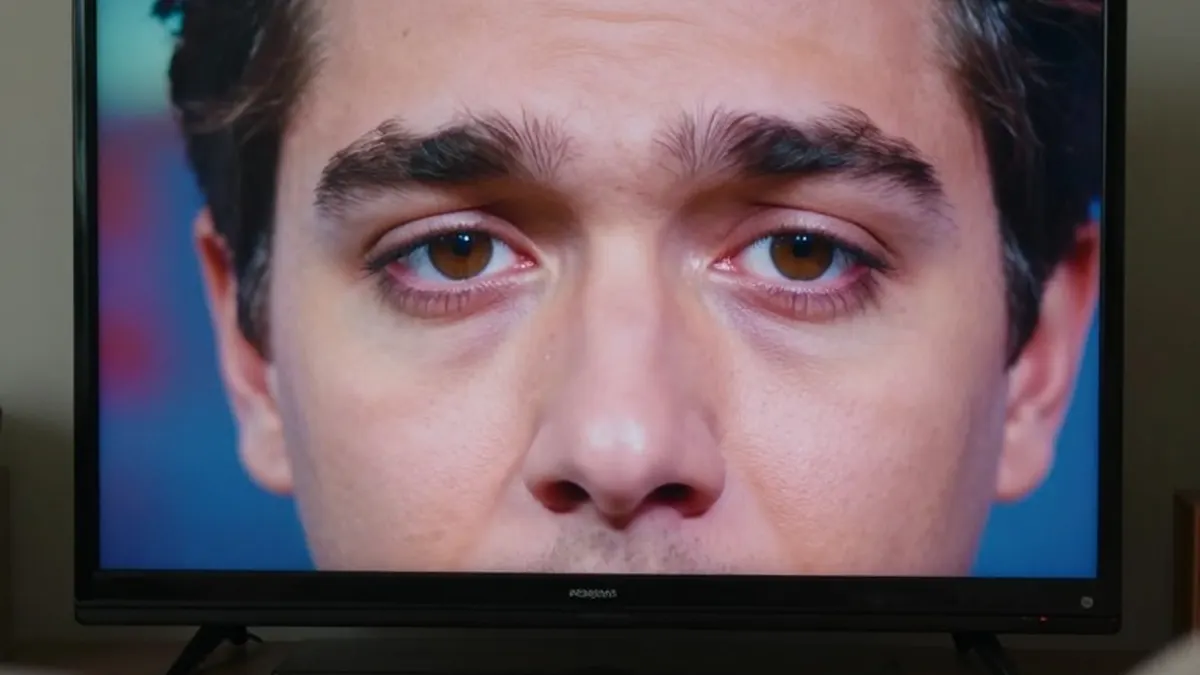
A parody commercial from Saturday Night Live titled Sister has rapidly become a cultural phenomenon, drawing widespread attention to the often invisible burden placed on women who care for aging relatives. In the sketch, comedian John Mulaney promotes Sister as a live-in elder care provider that is completely free and also the viewer's sister. He argues that this arrangement allows him to return to his own life without worrying about his father's needs, while cast member Jane Wickline plays the sister administering medication.
The segment gained significant traction online, accumulating over seven million views on YouTube within days of its broadcast. The response from the public has been largely one of recognition and frustration. One viewer described it as one of the most wicked and accurate sketches ever written. Another, a hospice nurse, noted that the dynamic tracks with her professional experience, where she primarily interacts with adult daughters or daughters-in-law when a daughter is absent.
The sketch has also attracted attention from high-profile figures in the United States. Melinda French Gates shared the video on Instagram, noting how quickly it spread through group chats. She expressed hope that the humor would lead to more honest discussions about the reality of caring for loved ones and why that responsibility disproportionately falls on women. Senator Kirsten Gillibrand used the viral moment to highlight her own legislation, the Supporting Our Direct Care Workforce and Family Caregivers Act, which she introduced in June 2026.
Gillibrand stated on social media that the sketch illustrates how quickly life changes when an aging parent requires assistance. She urged Congress to pass her bill, which aims to provide federal funding to states for training and retaining care workers and supporting family caregivers. Currently, the United States lacks specific federal support for family caregivers. While Medicare covers short-term medical needs, Medicaid long-term care is only available to those who meet strict medical and financial criteria.
For many caregivers, the sketch provided a rare moment of validation. Stacey Barnes, a 45-year-old web developer in Minnesota, watched the live broadcast while sitting next to her sleeping parents. She has lived with them for a year and a half, serving as the primary caretaker for her mother, who was diagnosed with Parkinson's disease. Barnes said she felt seen for the first time in pop culture, comparing the relatability of the sketch to the cartoon Daria.
Shauna Sweeney, a 41-year-old who started a caregiving platform after her father was diagnosed with early-onset Alzheimer's in 2014, received numerous messages about the video. She noted that the sketch addresses a growing issue as the population ages. Sweeney explained that she did not have the language to describe her role for the first five years of caregiving and that the sketch finally put words to a common experience.
Research from AARP and the National Alliance for Caregiving indicates that more than 51 million Americans, nearly one in five adults, provide care to someone aged 50 or older. Three out of five of these caregivers are women. A 2017 commentary in the Journal of the American Medical Association on dementia care famously stated that the best long-term care insurance in the country is a conscientious daughter.
Dr. Sarah Oreck, a reproductive psychiatrist, explained that socialization often teaches girls to be accommodating from a young age. She noted that the sketch accurately depicts how internalized sexism can make caretaking feel like a personal responsibility rather than a shared family duty. While the long-term impact of the viral moment remains to be seen, experts agree that the sketch has successfully sparked important conversations about the real financial and mental health fallout of unpaid caregiving.