Prediction Market Regulation Sparks Legal and Political Conflict
Following the midterm elections, a surge in state litigation and federal regulatory actions has intensified the dispute over the oversight of the multibillion dollar prediction market industry.
By Priya Marino ·
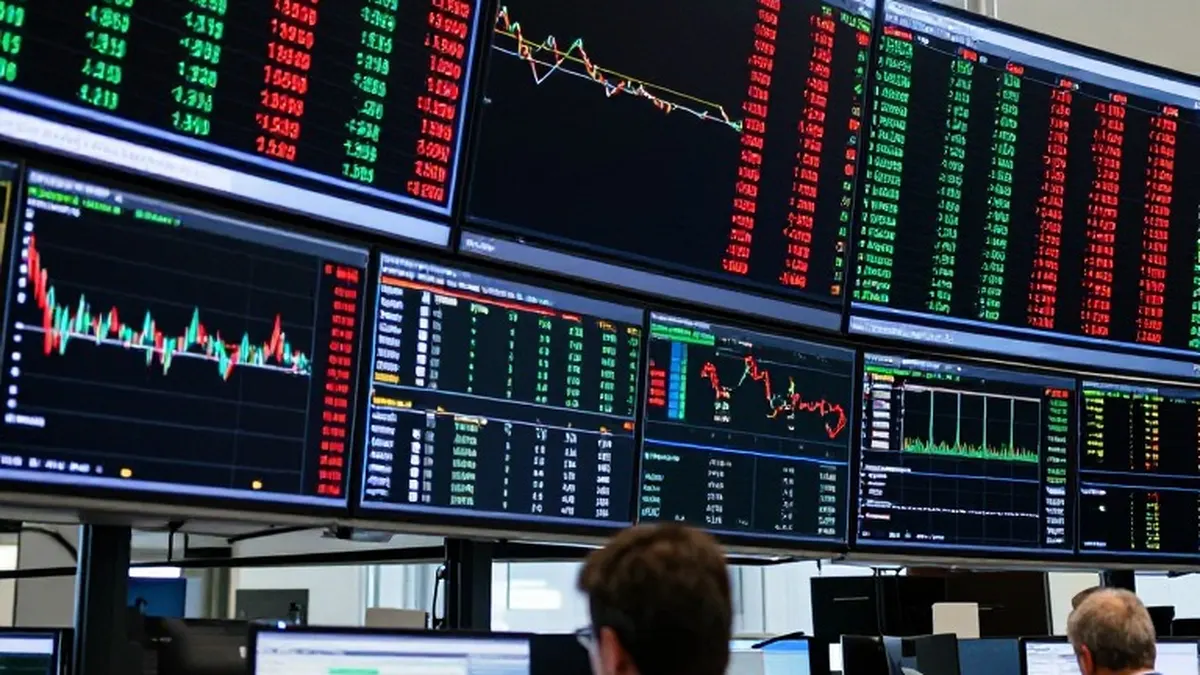
The regulatory landscape for prediction markets has become increasingly contentious as a turf war between state governments and federal agencies intensifies. This escalation follows the midterm elections, where Democrats secured control of Congress and several key governorships. Although market observers anticipated that Democratic leadership would drive new oversight of the industry, the most aggressive recent actions have originated from Republican led states.
At the federal level, the Commodity Futures Trading Commission has stepped up its scrutiny of specific market types. The agency recently placed a hold on the certification of markets related to the words of President Donald Trump. This move targets mention markets, where traders speculate on statements made by individuals during broadcasts or speeches. The CFTC has identified these event contracts as being particularly susceptible to manipulation.
Kalshi, a major player in the sector, has been at the center of this regulatory storm. While the company stated it is complying with the CFTC order, CEO Tarek Mansour expressed disagreement with the decision during an event on Tuesday. The legal pressure on Kalshi has come from multiple fronts, including criminal and civil charges filed by state attorneys general.
Utah Attorney General Derek Brown filed 14 criminal charges against Kalshi and its founders, Tarek Mansour and Luana Lopes Lara, on October 28. The state alleges that the company violated local laws prohibiting gambling. The founders are scheduled to appear in person at Utah's Third District Court on December 4. In a separate civil complaint filed on October 20, Utah also named Susquehanna International Group, an institutional market maker, as a defendant.
Other states have joined the legal challenge. Louisiana's attorney general filed a complaint on November 12 to ban multiple exchanges from operating in the state, prompting a state judge to issue a temporary restraining order the same day. In Arizona, a federal judge blocked a criminal complaint filed by Attorney General Kris Mayes in April, allowing the case to be halted after it was initially filed in March.
The CFTC has responded to these state actions by suing twelve states to defend its view of exclusive jurisdiction over prediction markets. On November 13, the agency sued Louisiana following the state's restraining order. It also filed a suit against Arkansas after that state pursued civil enforcement against Kalshi. These legal battles highlight the deepening divide between federal and state regulatory authorities.
The CFTC is also undergoing leadership changes. President Trump sent bipartisan nominations to the Senate on November 12 to fill two of the four open seats on the commission. Chairman Michael Selig has been the sole member since his approval in December 2025. The nominees, Republican Nathan Anonick and Democrat Matthew Rowland, appeared before the Senate Agriculture Committee on Tuesday, where they faced questions regarding the nature of event contracts.
A recent ruling by the Fourth U.S. Circuit Court of Appeals added complexity to the legal landscape. The court ruled 2-1 that Maryland can enforce its state gambling law against Kalshi. However, the judges disagreed on the reasoning behind the decision, with three separate opinions presented. Kalshi spokesperson Elisabeth Diana noted that the splintered decision demonstrated a lack of a unified legal argument against prediction markets.
Political dynamics in Washington are also influencing the industry. Kalshi ended its advisory relationship with Donald Trump Jr. on November 12, citing a conflict of interest because his venture capital firm holds a stake in rival platform Polymarket. This move came shortly after Democrats secured a majority in Congress, where lawmakers are expected to probe companies with ties to the Trump family.
Democratic legislators are pushing for further regulatory changes. Nine senators, led by Adam Schiff, sent a letter to the CFTC asking it to reverse a directive that allowed platforms to avoid geofencing in states with unfavorable court rulings. Additionally, Representative Ro Khanna has called for Congress to ban sports related prediction markets entirely, arguing that the current structure is effectively gambling.
More News · National news · Report a business · Got a Story?