Surveillance catches H5N1 in two Newton County dairies
State officials quarantine lactating cattle after routine milk testing detected the virus in late October.
By Priya Marino ·
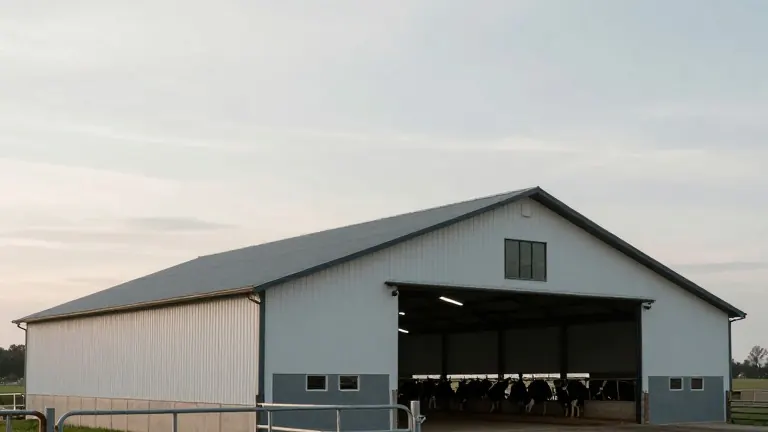
The H5N1 influenza virus has been confirmed in two dairy herds in Newton County, Indiana. The Indiana State Board of Animal Health announced the findings on Monday, marking the latest expansion of an outbreak that officials describe as the largest animal health emergency in U.S. history.
The detections originated from routine surveillance under the National Milk Testing Strategy. Samples collected at a dairy processing facility in another state flagged potential issues, prompting the state board to gather follow-up samples from the Newton County farms. The USDA’s National Veterinary Services Laboratories subsequently verified the presence of the virus.
The two affected dairies share operational connections. No other Indiana dairy cattle herds have tested positive for the virus. Since the first detection in a Texas dairy cow in March 2024, H5N1 has been identified on more than 1,100 dairy farms across 21 states. The virus has also appeared on more than 2,200 poultry premises in all 50 states since February 2022.
Under the state’s response plan, all lactating dairy cows at the infected sites are now under quarantine. Weekly testing will continue until the herd produces two consecutive negative results, at which point the quarantine will lift. State officials will also test all Grade A dairies and commercial poultry operations within a 10-kilometer radius of the affected farms. This zone-wide testing will occur every 28 days until the primary quarantine is cleared.
The state board stated that avian influenza does not pose a food safety risk. Pasteurization kills the H5N1 virus, making pasteurized dairy products, along with cooked poultry, beef, and eggs, safe for consumption. The board advised pet owners to avoid feeding cats raw or undercooked food, including unpasteurized milk, as the virus can cause severe illness in felines.
Public health risks for the general population remain low. Human infections are expected to be rare and are most likely to occur among individuals with prolonged, unprotected close contact with infected animals or contaminated environments. The Indiana Department of Health has issued guidance for farmers, while the state board maintains a live dashboard tracking dairy detections and milk testing strategy updates on its website.