
Xiaomi 18 Pro review: Dual screens offer limited utility despite strong cameras
The new Xiaomi 18 Pro devices feature a secondary rear display that serves primarily as a camera viewfinder, though the phones excel in other areas like battery life and main photography.
By Chioma Brooks ·
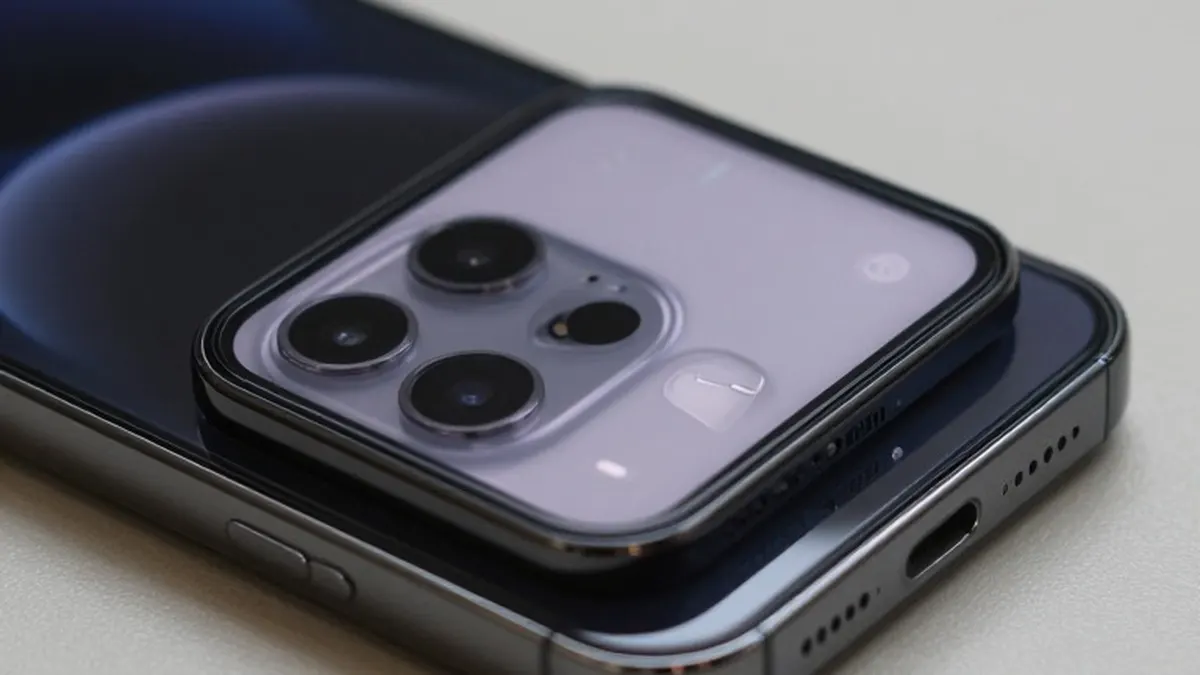
Xiaomi has brought its dual-screen concept to the global market with the release of the 18 Pro and 18 Pro Max. While the company experimented with a rear display on the 17 Pro series last year, those models were limited to China. This latest iteration marks the first time international buyers can test the feature, which has been explored in various forms by manufacturers like Nubia and Vivo since 2021.
The new devices are priced at 1,199 pounds for the standard Pro and 1,399 pounds for the Pro Max. These figures position them as direct competitors to the iPhone 18 Pro lineup in the UK and Europe. The physical dimensions are similar to Apple's latest flagships, with the Pro featuring a 6.4-inch display and the Pro Max offering a 6.9-inch screen.
Under the hood, both phones utilize Qualcomm’s Snapdragon 8 Elite Gen 6 processors, with the Pro Max utilizing the Extreme variant. The Pro Max also includes a larger 7,050mAh battery compared to the 6,000mAh cell in the standard Pro, though larger batteries are available in markets outside Europe. Wired charging speeds also differ, with the Pro Max supporting 100W, which is 10W faster than the standard model. Battery life is generally good for a full day, though it may not match the longevity seen in recent flagships from Oppo and Vivo.
The most distinctive feature is the rear display, which measures either 2.7 or 2.9 inches depending on the model. These screens wrap around the main camera lenses and resemble the outer displays of foldable phones like the Galaxy Z Flip 8, albeit with more limited functionality. Users can customize wallpapers, view music playback controls, and check notifications. However, the notification system is somewhat restrictive, displaying large app icons with minimal text and lacking interactive quick replies or a full notification list.
The rear screen does not support full app usage or settings access. Instead, it features a natural language AI tool powered by Google’s Gemini 4 Argon that allows users to create simple custom apps or games. These creations, such as a pomodoro timer or a basic Pac-Man clone, cannot connect to the internet or access other installed applications.
The primary practical use for the secondary display is as a camera viewfinder. This allows users to take selfies using the high-quality rear main camera rather than the front-facing lens. Reviewers noted that this feature enabled them to capture significantly better self-portraits than usual, making it a standout selling point for photography enthusiasts.
The main and telephoto cameras are both 200-megapixel units with large sensors, delivering excellent results in various lighting conditions. The telephoto lens has a short minimum focusing distance of 12cm, making it effective for macro photography. The Pro Max includes a LOFIC sensor that provides a 16-stop dynamic range, offering better highlight retention in tricky lighting scenarios compared to the standard Pro.
Partnership with Leica continues, with default shooting modes including Vibrant, Authentic, and a new Xiaomi-branded Original mode. A new Essential Moments mode uses AI to simulate retro Leica aesthetics. In contrast, the ultrawide camera is considered an afterthought. Its low placement on the device makes it easy to block with a finger, and its smaller sensor results in noticeably lower image quality in dim light compared to the other rear lenses.
Both phones also feature a privacy display technology similar to Samsung’s Galaxy S26 Ultra. This system switches pixels to limit side viewing angles. Xiaomi’s implementation is more flexible, allowing the feature to apply to specific apps and notifications, as well as split-screen or floating windows, without affecting other open applications. However, it is perceived as less effective than the Samsung version.
Overall, the Xiaomi 18 Pro series offers strong performance, compact designs, and impressive main camera capabilities. However, the limited utility of the rear screen and the inclusion of a basic ultrawide camera raise questions about the compromises made to accommodate the dual-display design, especially given the high price points driven by current RAM costs.
More News · National news · Report a business · Got a Story?