Warhound Secures $200 Million to Develop Gene-Edited Canine Units for Defense
A new venture backed by major tech and biotech figures aims to clone high-performing service dogs while equipping them with protective technology.
By Miguel Hernandez ·
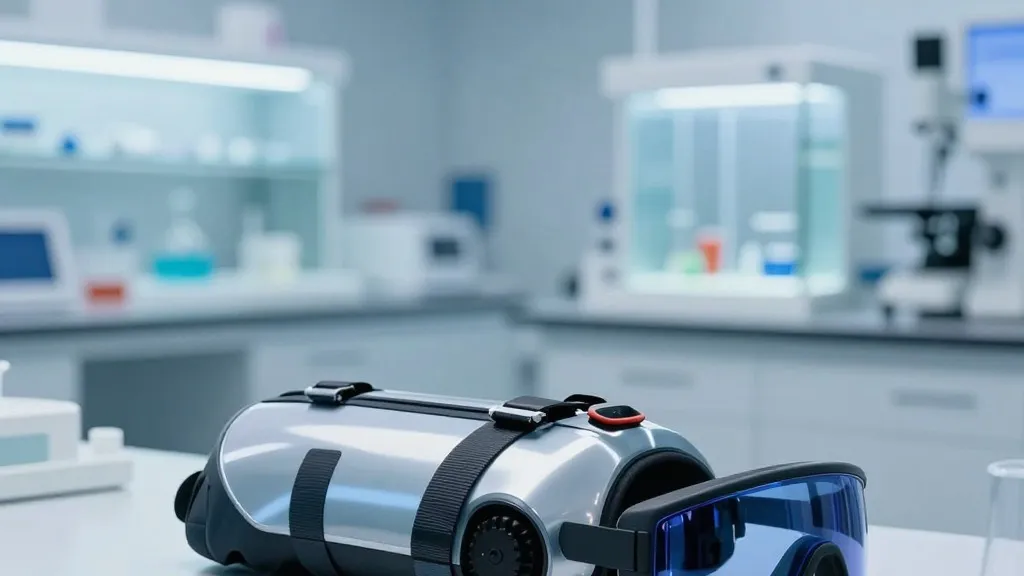
A startup named Warhound has raised $200 million to genetically engineer dogs for the United States military and outfit them with advanced protective gear. The funding round supports a joint initiative that combines genetic modification with specialized equipment design. The company intends to create a new class of service animals that are biologically optimized for military and first responder roles.
The venture involves two prominent figures in the technology and life sciences sectors. Ben Lamm, who leads Colossal Biosciences, and Palmer Luckey, the founder of Anduril, are the key partners in this effort. Lamm confirmed that the company has already begun editing the genes of cell samples taken from its first group of donor dogs. These samples were sourced from top-performing military, police, and first responder dogs across the United States. The donor pool consists mostly of Belgian Malinois, along with some labradors and shepherds.
The initial scientific focus is on reducing the likelihood of health problems that are common to these specific breeds. Scientists working for Colossal plan to modify the animals' genes and then clone them to address issues such as hip dysplasia and certain cancers. Lamm indicated that further enhancements could follow after these foundational health improvements are established. Potential future genetic changes might make the animals faster and more agile, or sharpen their sense of smell to improve their operational effectiveness.
Both founders bring high-profile track records to the project. Luckey is known for founding Oculus VR and designing the Oculus Rift headset. His defense company, Anduril, partnered with OpenAI in 2024 to develop artificial intelligence for the Pentagon. Anduril also recently won a US Army contract to build the service's next-generation battlefield intelligence system alongside Palantir. Lamm's Colossal Biosciences is behind several de-extinction efforts, including one that claims to have revived the dire wolf and another that seeks to bring back the woolly mammoth.
Anduril's role in the venture is focused on equipment rather than biology. Warhound does not appear to be planning cyborg dogs, at least for now. Instead, Anduril will design tools and the software that runs them, intended to protect the animals while they work. Examples of this equipment include goggles, vests, and body armor. This division of labor separates the biological work from the technological integration.
The ownership structure of the company is distinct from the partnership's public profile. Luckey is a partner in the business, but neither he nor Anduril holds a stake in the startup. Colossal Biosciences does have equity in the company, and Lamm sits on the board. David Spirk, who most recently worked at Palantir, serves as the CEO. This structure suggests a focus on operational independence while leveraging the expertise of the founding partners.
Warhound expects the first batch of its genetically engineered dogs to be born in early 2027. The animals will be trained for the kinds of jobs working dogs already perform. These tasks include detecting bombs and assisting in search-and-rescue operations. The timeline indicates a relatively rapid development cycle for the initial cohort of modified animals.
The project raises questions about the intersection of biotechnology and military procurement. By combining genetic editing with advanced gear, the company aims to enhance the reliability and safety of canine units. The use of cloned dogs from proven high performers suggests a strategy to standardize desirable traits. However, the long term effects of these genetic modifications remain to be seen as the first generation is born and tested.
Source: Engadget