20,000 Tiny Robots Sold Out After Nvidia CEO’s Viral Duck Demo
A flock of waddling, open-source robots became an instant holiday sensation following a live demonstration at a major tech conference in Berlin.
By Arjun Patel ·
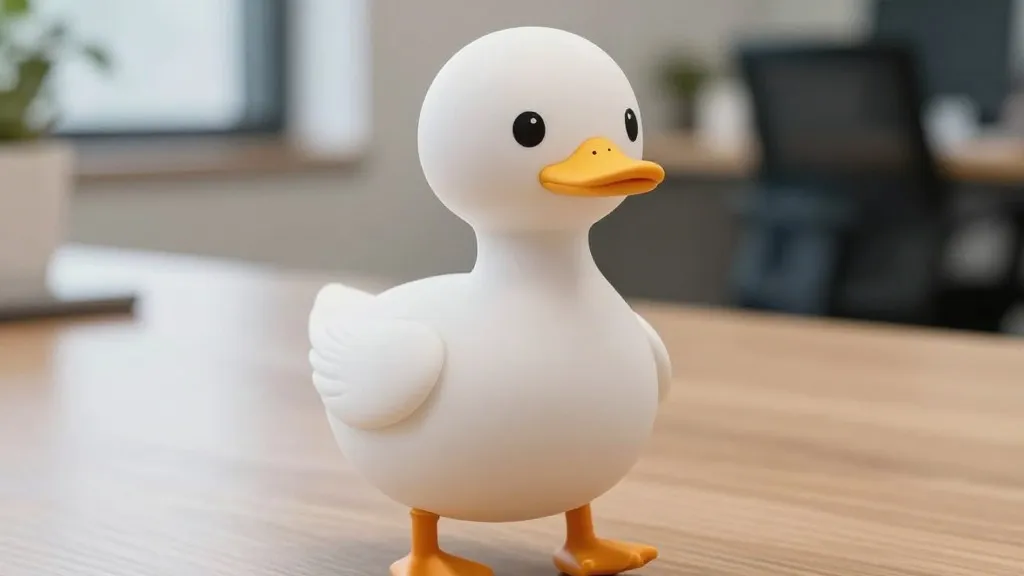
More than 20,000 preorders for a specific line of small robots were secured within a single day, a surge in demand triggered by a viral video from a recent keynote. This rapid uptake positions the device as a potential top seller for the upcoming holiday season, driven largely by its charming appearance and interactive capabilities.
The attention stems from a clip that circulated widely earlier this week, featuring Jensen Huang, the chief executive of Nvidia, interacting with a group of Microducks. During his presentation at the GTC Berlin conference, Huang was seen playing with the robots as they performed various actions. The footage showed the units stomping their feet, emitting high-pitched sounds reminiscent of a fictional droid, and executing physical maneuvers such as sitting, falling over for a simulated nap, and performing somersaults when given voice commands. The combination of these movements and sounds created a strong emotional reaction among viewers.
Clem Delangue of Hugging Face confirmed the sales figures in a social media post, noting that the preorder count exceeded 20,000 units by the day following the conference. Delangue suggested that the Microducks could become the best-selling robot of the year. He indicated that the appeal extends beyond children, as promotional materials have featured adults engaging with the devices, suggesting a broad demographic interest in the product.
The Microducks are scheduled for delivery before Christmas, making them a timely option for holiday gifting. The device is an open-source product created by Pollen Robotics. The company was acquired by Hugging Face in 2025, a move that places the robot line under the umbrella of Nvidia, which purchased Hugging Face in September. This makes the Microduck the second robot developed by the Hugging Face team, following the previously released Reachy Mini.
Under the hood, the robots utilize Nvidia’s technology stack for their initial training. Simulations were used to teach the units basic behaviors, including walking, sitting, and standing, which are pre-installed upon delivery. Pollen Robotics states that owners have the ability to teach their specific units new tricks and share these custom behaviors with the wider user community. This open-source nature allows for a collaborative development environment where users can contribute to the library of available actions.
The timing of the release coincides with a period of intense scrutiny on the artificial intelligence industry. Earlier this week, the sector faced criticism as AI involvement was linked to a series of cyberattacks. The viral success of the Microducks offers a contrasting narrative, highlighting the potential for AI to be engaging and accessible rather than solely complex or intimidating. The video of the CEO playing with the robots has been described as a welcome diversion, showcasing the lighter side of the technology.
For readers in the Great Lakes and Ohio Valley, the significance of this product lies in its accessibility and the rapid pace of its adoption. The fact that a niche tech product achieved such high preorder numbers in such a short time underscores the current consumer appetite for interactive, home-based robotics. As deliveries arrive in time for the holidays, these devices may become a common sight in living rooms and offices across the region, serving as both a toy and a demonstration of current AI capabilities.
Source: TechCrunch