Displacement: Google's Finnish Data Center Expansion Forces Wolf Packs Into Villages
Unauthorized forest clearing for AI infrastructure in eastern Finland has disrupted local ecosystems, leading to increased wildlife sightings in residential areas.
By Anna Nowak ·
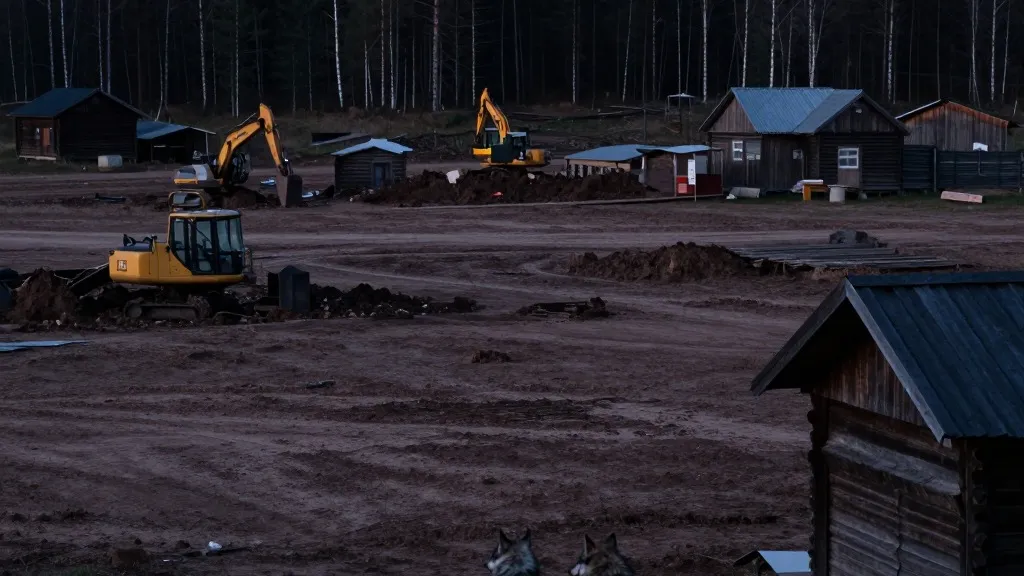
Google’s Finland country manager has issued a public apology for the unauthorized clearing of forest land near the town of Muhos. The action, taken to facilitate the construction of new artificial intelligence data centers, has resulted in significant environmental disruption. Specifically, the company cleared approximately 816 acres of woodland, transforming the area into a large expanse of mud. In a related development 55 miles southeast, near the village of Otanmäki, authorities have ordered Google to cease work on another roughly 500 acres of cleared forest.
The physical impact of the construction is substantial, with the loss of over 1,300 acres of forest cover across these two sites. The clearing has not only removed vegetation but also destabilized the ground, creating muddy terrain that has become a focal point for local complaints. This scale of land modification has outpaced local regulatory responses, leading to a situation where the immediate environment has been radically altered in a short period to accommodate the infrastructure demands of the American tech giant.
The human and ecological consequences are now becoming visible to residents of neighboring communities. Anni Ranta, a 53-year-old local resident whose family has lived in Otanmäki for generations, described the shift in wildlife behavior. Ranta noted that wolves, which previously inhabited the dense forest, are now moving into the village as their natural habitat has been displaced. This change represents a notable shift in the local ecosystem, turning the area into a transitional zone between the remaining wildlife and human settlements.
Beyond the immediate presence of wolves, residents have reported a suite of other environmental issues. Complaints include increased construction and factory noise, streams turning brown due to sediment, and the displacement of rare bird species. These observations suggest that the impact of the data center project extends beyond the visual change in landscape to affect water quality and local biodiversity. The accumulation of these factors has fueled ongoing anger among locals who feel the regulations governing such development have been bypassed.
The conflict highlights a broader tension between rapid technological infrastructure expansion and environmental stewardship. A representative for the Finnish Association for Nature Conservation characterized Google’s adherence to environmental policy as unprecedentedly poor, indicating a clear flouting of established guidelines. This assessment aligns with the actions of the Finnish Licensing and Supervision Authority, which issued a formal order for Google to halt its development activities near both Muhos and Otanmäki. The regulatory intervention underscores the severity of the violations identified by local officials.
Google has maintained a cooperative posture following the regulatory orders. A company spokesperson stated that they will fully comply with the requests from the Licensing and Supervision Authority and look forward to an open dialogue with local authorities. The company aims to strengthen its partnership with Finland and local organizations, likely hoping that the projected economic benefits of the data centers will help maintain favorable government relations. This approach suggests a strategy of compliance combined with continued negotiation regarding the long-term footprint of the project.
The situation in Finland mirrors similar controversies observed in the United States and other countries, where AI data center developers have faced scrutiny over their environmental effects. For local families, however, the stakes are immediate and personal. The presence of predators like wolves in residential areas raises serious safety concerns, while the broader environmental degradation threatens the quality of life for communities that have lived in the region for generations. The incident serves as a case study in the local costs of global digital infrastructure.
As the work stops, the focus shifts to the potential remedies and the ongoing relationship between Google and its Finnish stakeholders. The authorized halt to construction provides a pause for assessment, but the displaced wildlife and altered landscape remain. The next steps will likely involve determining the scope of remediation and how the company will address the specific grievances of the local population, balancing its ambitious AI expansion plans with the expectations of the communities it is building in.
Source: Tom's Hardware