33 million abstentions mark record low in Brazil's final presidential vote
Service sector growth in Osasco has shifted local support from Lula to Flávio Bolsonaro, while record low turnout complicates the runoff.
By Priya Marino ·
Brazil will hold its presidential runoff on Sunday, with 33 million citizens abstaining in the first round, the highest non-vote rate since 1998. This massive absence of voters signals a deepening disconnect between the electorate and the current administration, even as unemployment hits record lows.
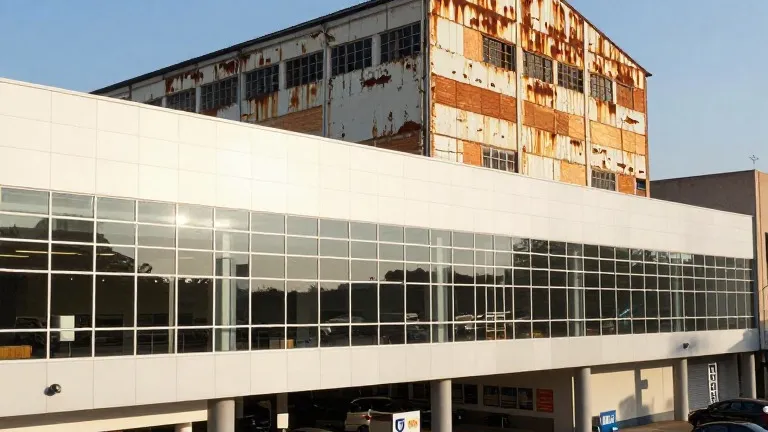
The economic shift is visible in Osasco, a former industrial hub now known as São Paulo's "Silicon Valley." Closed factories have been replaced by five new shopping malls and delivery app headquarters. Gilberto Almazan, a metalworkers' union leader, notes that metal, chemical, and textile plants have disappeared. He argues that the traditional working class no longer exists in its previous form, leaving the union movement stuck in the "Middle Ages."
Many workers now operate as drivers or couriers, a trend Almazan terms "Uber-isation." These workers prioritize flexibility over the collective welfare programs associated with President Luiz Inácio Lula da Silva. Richard Lapper, a biographer of both major candidates, calls Lula a "victim of his own success." Lapper points out that Brazil industrialized late and deindustrialized early, intensifying the economic transition. While prices, debt, and interest rates have risen, unemployment has dropped, creating a crisis of expectations where objective gains do not match subjective feelings.
Osasco voted for Lula in 2022 but shifted to Flávio Bolsonaro in this month's first round. Bolsonaro won the national first-round vote, a position that has led to the presidency for every winner since 1989. In the poorest areas, such as the Maré favela in Rio, Lula still commands support. Vitoria, an 18-year-old mother earning under £300 a month, cites his minimum wage increases and free medicines as key reasons for her vote. However, she fears Bolsonaro's plan to declare the Comando Vermelho gang a terrorist organization, following police raids in Rio last year that killed more than 130 people.
Lula's campaign is responding with large-scale street rallies to mobilize voters, particularly students. A rally in São Paulo reportedly drew about a million people, a claim supported by widely shared aerial footage. Lula, who is 80, uses social media to counter age-related concerns, branding himself the "king of selfies." Flávio Bolsonaro has proposed cutting government spending, ministries, and certain taxes while retaining key welfare programs. He denies recent corruption accusations. Evangelical churches are also playing a larger role, with Pastor Silas Malafaia stating that Flávio Bolsonaro aligns with church values on family and abortion.
In Osasco, the shift is attributed to the changing nature of work. Tairine, a hot dog seller who previously abstained, now plans to vote for Bolsonaro, citing a lack of change under Lula. Robson, a 53-year-old civil servant, blames the government's "mismanagement" for a heavy tax burden. The outcome may hinge on whether voters accept Lula's new narrative or continue to favor the flexibility and change promised by the right.
Source: BBC News