Bayer Finalizes Billion Dollar Roundup Settlement
A Missouri judge has given final approval to a settlement that will pay billions of dollars to thousands of plaintiffs alleging Roundup caused their cancer.
By Priya Marino ·
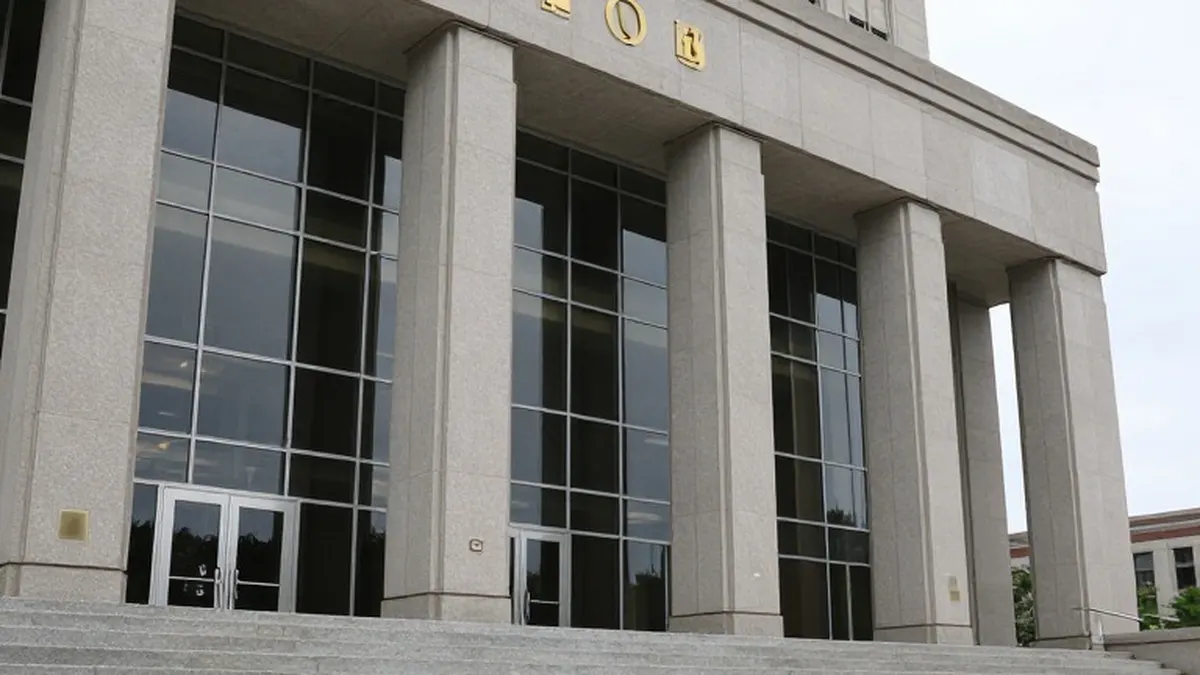
Bayer, the German agrochemical and biotechnology corporation, has secured final approval for a massive legal settlement related to its popular weed-killer Roundup. The agreement, which could cost the company up to 7.25 billion dollars over the coming years, resolves claims from individuals who allege that exposure to the herbicide led to the development of cancer. A judge in Missouri granted the final sign-off on this nationwide arrangement on Friday, marking a significant conclusion to a long-running legal dispute.
The funds allocated under this specific settlement will be distributed to thousands of current and future claimants who have been diagnosed with non-Hodgkin lymphoma. This form of blood cancer is the primary health concern linked by plaintiffs to glyphosate, the main active ingredient in Roundup. The compensation structure is designed to reflect the severity of exposure and individual circumstances, with payments ranging from 10,000 to 165,000 dollars per claimant.
Several factors determine the final amount each plaintiff receives. These include the level of glyphosate exposure resulting from agricultural work or other occupations, the age at which the individual was diagnosed with non-Hodgkin lymphoma, and other relevant variables. This tiered approach aims to provide a standardized yet personalized resolution for those affected by the product.
Bill Anderson, the chief executive officer of Bayer, described the agreement as a decisive milestone in the company's legal history. In a public statement, Anderson noted that the settlement serves to mitigate the risks associated with both pending and future litigation. He emphasized the strategic importance of closing this chapter to allow the company to move forward with greater certainty.
Presiding Judge Timothy Boyer characterized the ruling as one of the most substantial in the history of mass tort personal-injury class action settlements. His approval underscores the scale of the financial commitment Bayer is making to resolve these specific claims. The judge's decision brings a formal end to the proceedings in this particular circuit court case.
This new settlement is distinct from, and additional to, a previous agreement where Bayer committed between 10 billion and 11 billion dollars to settle more than 100,000 claims. That earlier deal addressed a broader set of allegations. The current resolution specifically targets a subset of plaintiffs with non-Hodgkin lymphoma diagnoses, adding another layer to the complex financial landscape of the Roundup litigation.
The legal context for these settlements has evolved significantly in recent years. Earlier this year, the U.S. Supreme Court issued a ruling in favor of Bayer. The court found that the company could be shielded from certain state court lawsuits alleging that it failed to adequately warn consumers about the potential cancer risks associated with glyphosate. This decision provided Bayer with a powerful legal defense in many jurisdictions.
Christopher Seeger, the attorney representing the plaintiffs in this case, expressed satisfaction with the final approval order. In a statement, Seeger noted that the order delivers guaranteed compensation to Roundup cancer victims who have waited more than a decade for justice. He highlighted the long timeline of the legal battle and the relief the settlement provides to those who have suffered from the disease.
The debate over the safety of glyphosate has been ongoing for over a decade. The World Health Organization's cancer agency concluded more than ten years ago that the chemical is probably carcinogenic to humans. Prominent scientists in the field of environmental health have continued to echo these concerns, with some publishing findings as recently as this year that support the link between the herbicide and cancer risks.
Despite these scientific assessments, Bayer has consistently maintained that its product does not cause cancer. The Environmental Protection Agency has also stated that it did not identify risks of concern from glyphosate uses, including for cancer. However, the agency is currently conducting a review of the evidence related to human health following intense pressure from advocates and scientific communities. The issue has also become a focal point for health policy discussions, with supporters of Health Secretary Robert F. Kennedy Jr. citing glyphosate safety as a key concern under the Make America Healthy Again agenda. While the Trump administration has taken steps to support the herbicide-maker, including siding with Bayer in the Supreme Court case and issuing an executive order to promote domestic production, the company removed glyphosate from its U.S. residential products several years ago, though it remains in use in agriculture.
More News · National news · Report a business · Got a Story?