Block releases Dessa, a voice AI trained exclusively on spoken audio
The Jack Dorsey-led company states its new model learns from human conversation without text, aiming to improve emotional recognition in AI systems.
By Priya Marino ·
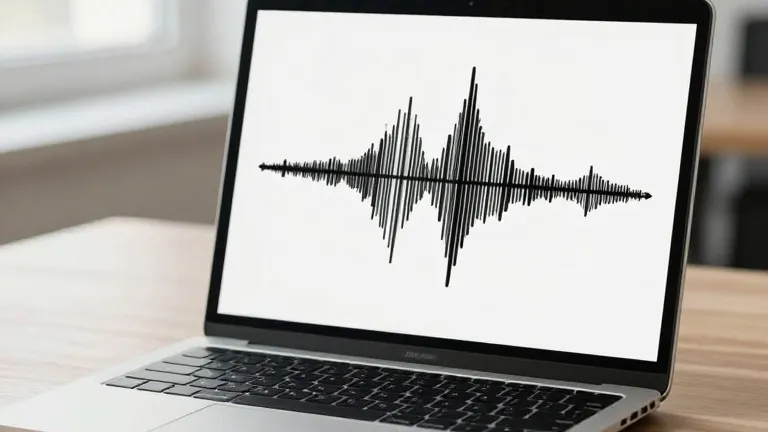
Block, the financial services and technology company led by Jack Dorsey, has announced the release of an artificial intelligence model named Dessa. The company describes the system as a speech-to-speech model that was trained entirely on human audio, without using written text as a foundation for its learning process.
The development marks a departure from standard voice AI architectures, which typically transcribe speech into text, process it, and then generate a response. The Dessa team argues that this common method flattens the nuances of spoken language and often fails to match human conversational timing. By training solely on audio, the developers aim to create a system that is more attuned to the emotional tone of a speaker.
Ragavan Thurairatnam, who leads the project, shared a sample exchange that demonstrated the model's capabilities. In that recording, the conversation appeared mostly natural, though the model initially mistook the speaker for a person named Ronaldo. The company's website features additional examples, including a discussion about Christopher Nolan films where the model drifted into a topic about Bryan Singer's Superman movies. Another clip showed a user describing a surprise trip to Paris, prompting a response that the team described as sounding like teary gratitude.
The team outlined three primary motivations for building the model: curiosity, improved human-AI understanding, and safety. They compared the approach to how babies learn language, noting that infants acquire speech without seeing written words. The developers stated that replicating this process in a machine is difficult but achievable.
Safety is a central focus of the project. The team noted that current AI systems often remain deaf to the emotion in a user's voice, potentially leading to awkward or inappropriate responses in stressful situations. They described Dessa as a step toward addressing this gap by allowing the model to perceive emotional cues directly from audio.
The system is designed to run locally on hardware such as a MacBook Pro M4 Max or better. A separate clip on the company's site paired Dessa with OpenAI's GPT-Live-1 voice model, where the interaction sounded more natural than other examples.
Block plans to provide early access to the model for a small group of AI safety researchers. The announcement did not include a timeline for a wider public release or a specific date for general availability.