Campbell Plant Costs: Seventh Federal Order Extends Operations to February
Ratepayers across MISO's 15-state grid will share up to $295 million in extra expenses as the DOE mandates the West Michigan coal plant stay open despite a D.C. Circuit Court ruling.
By Chioma Brooks ·
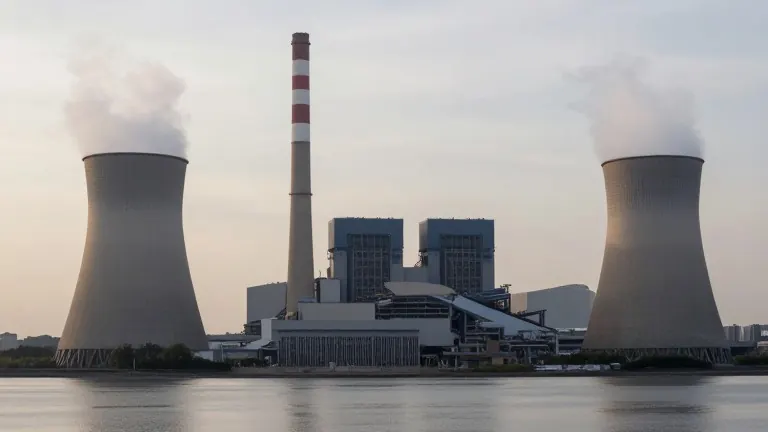
The U.S. Department of Energy issued its seventh consecutive 90-day emergency order on Nov. 13, keeping the J.H. Campbell coal plant in Port Sheldon Township operational through Feb. 12, 2027. The directive took effect Nov. 15. It requires the Midcontinent Independent System Operator and Consumers Energy to maintain the 1,420-megawatt facility's readiness for emergency grid needs.
Federal court filings and state estimates place the cumulative cost of keeping the plant open between $259 million and $295 million as of September 2026. These unbudgeted expenses include coal deliveries, maintenance, and compliance costs. The financial burden is distributed among ratepayers across the MISO regional grid, which spans 15 states. Daily operating costs have ranged from $640,000 to $1 million.
The plant had been scheduled to burn its final ton of coal on May 31, 2025, under a state-approved clean energy transition plan. That plan projected savings of roughly $600 million for ratepayers by 2040. Federal officials intervened eight days before the planned decommissioning date, initiating the series of mandates that continues today.
Energy Secretary Chris Wright stated in the latest order that dispatchable coal generation remains necessary to prevent winter blackouts. He cited the Winter 2026 Arctic Cold Period, including Winter Storm Fern, during which the Campbell plant generated more than 201,000 megawatt-hours of electricity. Wright said, “Americans deserve access to affordable, reliable, and secure electricity regardless of whether the wind is blowing or the sun is shining.”
A unanimous panel of the U.S. Court of Appeals for the D.C. Circuit ruled on Sept. 11 that the DOE overstepped its statutory authority. Circuit Judge Cornelia Pillard wrote that the agency’s emergency powers apply only when identifying a risk of substantial harm requiring immediate action. The court warned that the department’s interpretation would allow it to pick preferred power sources and interfere with state planning.
Michigan Attorney General Dana Nessel, who led the multistate legal challenge, said the continued operation has cost ratepayers $295 million. She criticized the DOE for using a tactic to prop up a facility that should have been retired. Nessel stated, “sticking ratepayers with a bill for a facility that should have been retired more than a year ago.” The Environmental Law & Policy Center noted that Michigan had already committed to a clean energy transition.
Consumers Energy added 1,200 megawatts of generating capacity elsewhere in West Michigan to offset the planned retirement. The utility reported net excess operational costs exceeding $135 million earlier this year. It plans to seek regional cost recovery so that Michigan customers do not bear the entire expense. The utility expects the remediation and restoration process at the Port Sheldon Township site to take roughly five years once the federal mandates expire.
Local opposition to the plant has included rallies in Holland and protests outside the facility gates. In May 2026, Nessel held a press conference at the plant to condemn the extensions. The Ottawa County Board of Commissioners voted 9-1 in February 2025 to approve a nonbinding resolution urging state regulators to pause the closure. Commissioners rejected a lawsuit to halt the shutdown by a vote of 7-4.
More Business · Consumer Watch · Report a business · Got a Story?