Citrinowicz: U.S. and Israel may restart Iran war after Nov. 3 midterms
An Israeli analyst predicts a third, more destructive phase of conflict targeting Gulf energy sites once U.S. midterm voting concludes.
By Abigail Brooks ·
Danny Citrinowicz, an Israeli analyst, predicts that the United States and Israel will resume military operations against Iran immediately after the U.S. midterm elections on November 3. He stated that a renewed war appears almost inevitable and expects this third round of fighting to be more destructive than the previous two.
Citrinowicz previously served as an intelligence official in the Israeli military for more than two decades. He now works with the Institute for National Security Studies. He told CBC News that President Donald Trump currently has only bad and worse options in the Persian Gulf. He maintained his earlier view that attacking the Iranian regime would not produce regime change but would instead expand the conflict across the region.
The current conflict began with two separate wars over the past 18 months under the leadership of Trump and Israeli Prime Minister Benjamin Netanyahu. The first war started in June 2025 with strikes on nuclear facilities and lasted 12 days before a fragile ceasefire. Fighting returned in February after a large U.S. military buildup, opening with Israeli strikes on senior Iranian leadership, including Ayatollah Ali Khamenei.
Citrinowicz expects the next phase to target Gulf energy facilities, civilian infrastructure, and communications networks, including internet lines under the Strait of Hormuz. He also suggested Iran might use its land army for limited attacks on Gulf states hosting U.S. bases, such as Kuwait and Bahrain, to damage the American economy.
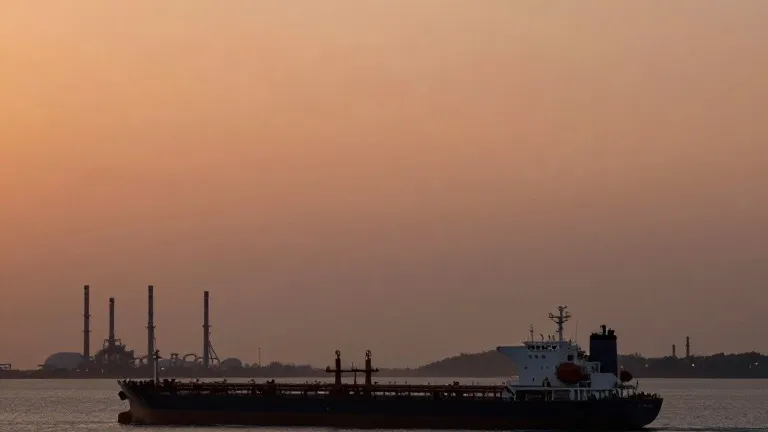
Since the summer truce collapsed, direct strikes have paused, but economic pressure remains high. The U.S. has blockaded Iranian ports, and Iran continues to target commercial ships in the Strait of Hormuz. On Thursday, Trump accused Iran of inflating oil prices before the midterms on Truth Social, claiming it was making up fake hits and mines. A report from the Critical Threats Project and the Institute for the Study of War agreed that these vessel attacks aim to pressure Washington.
Iran demands relief from sanctions, reparations for strike damage, the release of frozen assets, and the right to keep enriched uranium. Mediators from Pakistan and Qatar have failed to restart talks. Suzanne Maloney of the Brookings Institution warned that retaliation would come from proxies like the Houthis and Hezbollah, potentially targeting economic sites such as airports. Karim Sadjadpour of the Carnegie Endowment noted that Trump lacks a clear goal and that no military knockout punch will force Iran to capitulate.
Western NGOs report more than 7,000 deaths in Iran, while Lebanese media cite over 4,000 deaths in Lebanon. Twenty-one U.S. service members and more than 70 Israelis have been killed. Deaths have also been recorded in the UAE, Saudi Arabia, Iraq, and Yemen. The Pentagon is drafting a new battle plan, though it is unknown whether Trump will approve it. Netanyahu faces voters in the coming days in a close race and has spoken of finishing the job, a move Citrinowicz says could help him stay in power by enabling an emergency unity government.
Source: CBC News