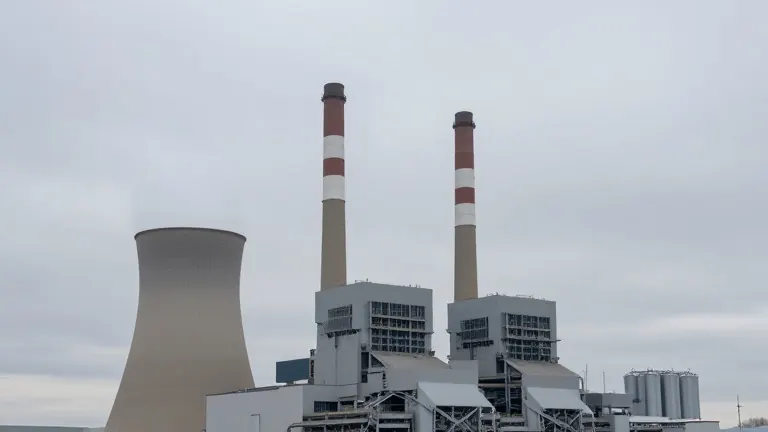
EPA Finds No Airborne Lead After Iowa Ammunition Blast
Agency officials collected over 1,000 samples in Middletown following the controlled detonation of five tons of unstable lead azide.
By Priya Marino ·

The Environmental Protection Agency reported that its air monitoring stations detected no airborne lead across the region following a controlled detonation at the Iowa Army Ammunition Plant in Middletown. The agency announced this finding on Thursday, one day after the blast.
The detonation destroyed approximately five tons of degraded lead azide that officials had deemed unsafe and unstable. Before the explosion, the EPA gathered nearly 1,600 baseline samples from air, water, soil, and dust to establish a reference point for measuring environmental changes.
Since the blast on Wednesday, the EPA has collected more than 1,000 additional samples. The agency stated that its teams tested homes, public parks with playgrounds, and every drinking water intake located in the area modeled for potential dust drift. This included monitoring for a plume that could have moved toward Missouri.
On Thursday, EPA personnel and contractors began sampling schools, daycares, and churches in the region. The agency also coordinated with the U.S. Department of Agriculture to collect samples from nearby farms both before and after the detonation. Extensive testing of water in the Mississippi River watershed was completed during the same period.
Soil and dust sampling is expected to conclude on Thursday, while air cassettes designed to sample for lead will be replaced to continue the monitoring process. EPA Administrator Lee Zeldin said late Wednesday that the controlled detonation exceeded expectations in a big way.
President Donald Trump posted on Truth Social that the Army and others in Iowa did a great job. The EPA said it will maintain its on-the-ground presence for as long as needed to monitor the environment after the successful detonation.