FBI Review: Alfozan Case Raises Questions on Saudi Links and Trade Secrets
The Bureau is deciding if to add economic espionage charges to the unlawful interception count currently facing the former AI engineer.
By Chioma Brooks ·
The FBI is determining whether to file economic espionage charges against Abdulrahman Alfozan, a former OpenAI engineer arrested in late October.
Law enforcement officials told the Wall Street Journal that investigators are analyzing if Alfozan gathered confidential data for the Saudi government. This review includes the possibility that he acted without a formal recruitment order. Authorities are also weighing trade secret theft counts, though they acknowledge the investigation might not lead to further prosecution.
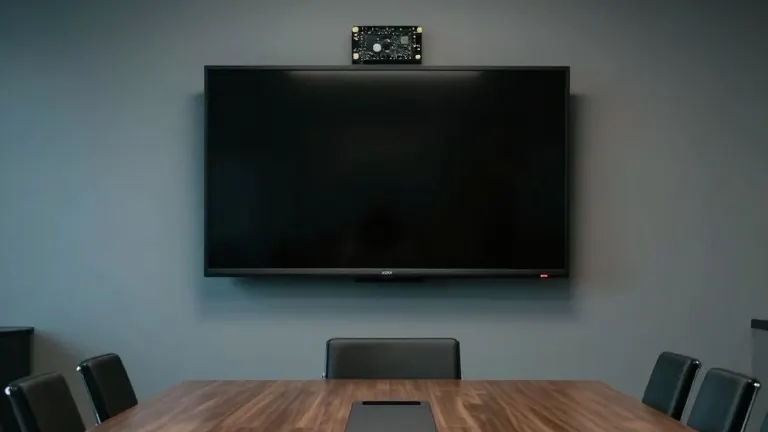
Alfozan, 35, is a US permanent resident and Saudi national. He faces a federal charge of unlawful interception of communications, which carries a maximum sentence of five years. Prosecutors allege he hid a small circuit board and microphone behind a television in a conference room reserved for OpenAI executives. The company’s security team found and removed the device before notifying the FBI. Alfozan is scheduled to retrieve the equipment on October 5, the same day OpenAI discovered it.
Records show Alfozan exchanged frequent WhatsApp messages with an unidentified member of the Saudi royal family in 2025 and 2026. The royal family member allegedly tried to recruit him for a Saudi AI initiative, writing that Saudi needs you more then the US. Alfozan replied with the number 100 but said he would stay at OpenAI until his company shares vested. Prosecutors identified October 5 as their last known exchange. On that date, Alfozan reportedly returned to the conference room to collect the hidden device.
William Pernik, Alfozan’s attorney, stated that his client has not received notice of additional charges. Pernik noted that Alfozan intends to contest the current allegations in court rather than in the media. The defense also addressed concerns regarding Alfozan’s travel plans. Prosecutors revealed he bought one-way tickets to Saudi Arabia via Istanbul for himself, his wife, and their three-month-old son. He was arrested three days before the scheduled departure. His wife and son later flew to Qatar on business-class tickets paid for by a Saudi military official. The defense identified that official as the wife’s brother-in-law and stated that no military funds were used.
During a detention hearing on October 19, US Magistrate Judge Alex G. Tse reviewed a letter from the Saudi Consulate in Los Angeles. The consulate offered to cover the entire bail bond. Judge Tse questioned the arrangement, asking if it amounted to a blank check to ensure Alfozan’s release. He denied bail, citing a substantial flight risk. OpenAI is currently assessing what information the device may have recorded to determine if the incident involved corporate espionage or state-sponsored intelligence gathering.
Alfozan’s next court appearance is set for November 6.
Source: The Jerusalem Post