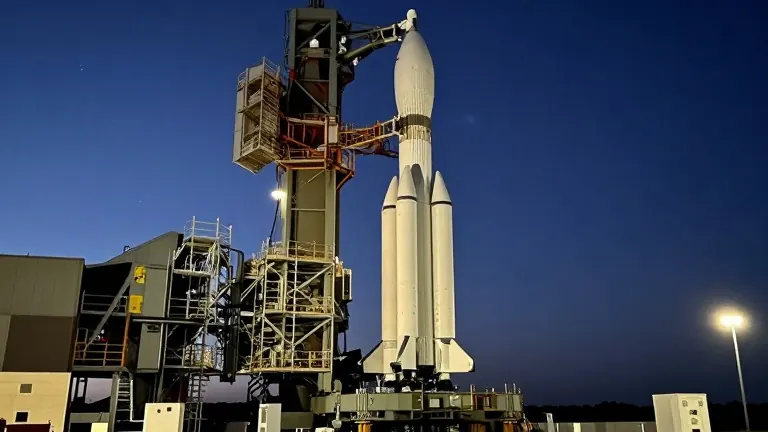
FCC authorizes SpaceX to launch one million satellites for orbital computing
The regulator approved the Starmind constellation on Wednesday, a move that drew sharp criticism from astrophysicists and industry rivals over debris and sky pollution.
By Chioma Brooks ·
The U.S. Federal Communications Commission approved SpaceX's plan to deploy one million satellites on Wednesday. The agency authorized the constellation, named Starmind, to function as a network of orbital compute modules. The ruling allows the company to begin processing massive amounts of data in orbit for use on Earth.
FCC Chairman Brendan Carr described the authorization as a historic first in the race for artificial intelligence. Carr stated that the move allows humanity to harness the full power of the sun. He said the decision opens a bold new frontier for the nation.
Elon Musk welcomed the approval over social media. The billionaire has long advocated for solar-powered data centers in space to support AI tools on Earth. The FCC order requires SpaceX to deploy at least one authorized space station by 2033. The company must gradually add more units through 2040.
Scientists raised immediate doubts about the technical feasibility of the project. Adam Becker, an astrophysicist and author, called the prospect a fantasy. He stated on Wednesday that the plan is not going to happen.
Proponents argue that capturing solar energy in space would reduce pressure on terrestrial power grids. They claim it would lower the demand for large computing warehouses and the water needed to cool them. However, space acts as a vacuum that traps heat inside objects similarly to a thermos.
Becker explained that basic physical limits exist for radiating that heat. He noted that while many smaller satellites could carry the necessary material, the cost and difficulty would be enormous. He also pointed to risks of atmospheric pollution from launches and reentries.
Concerns regarding in-orbit collisions also emerged. Becker warned that crashes could create a cloud of debris in low Earth orbit. This area already hosts many weather and telecommunication satellites. He said the resulting space junk could lead to a cascading set of collisions.
The FCC maintained that the Starmind constellation operates consistently with its orbital debris rules. The regulator acknowledged receiving a substantial number of public comments, including petitions to deny the request. The agency stated that deploying the satellites serves the public interest and dismissed topics outside its authority, such as environmental concerns.
The American Astronomical Society, Viasat, and Amazon-owned Kuiper Systems called on the FCC to deny the proposal. The AAS said it was disheartened and dismayed by the decision. The organization argued that the satellites would be brighter and more numerous than existing objects in low Earth orbit.
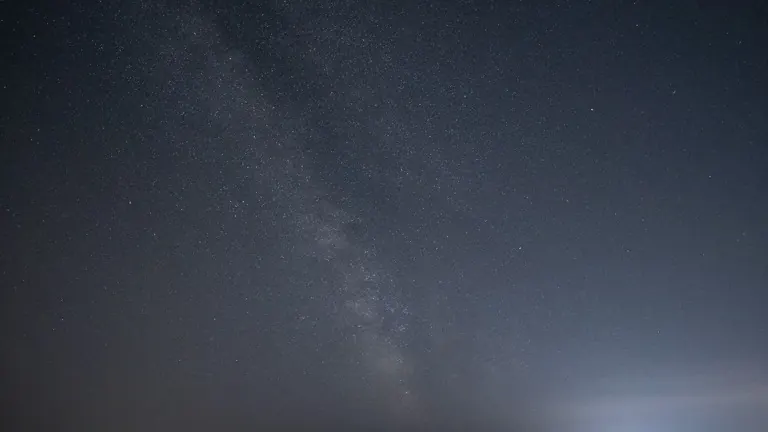
The AAS stated that these satellites would be visible as extremely bright objects for longer periods in the night sky. This would undermine decades of federal investment in astronomical facilities. Becker echoed this sentiment, calling the plan a pollution of the night sky to the naked eye. Viasat, Amazon, SpaceX, and the FCC did not immediately respond to requests for further comment.