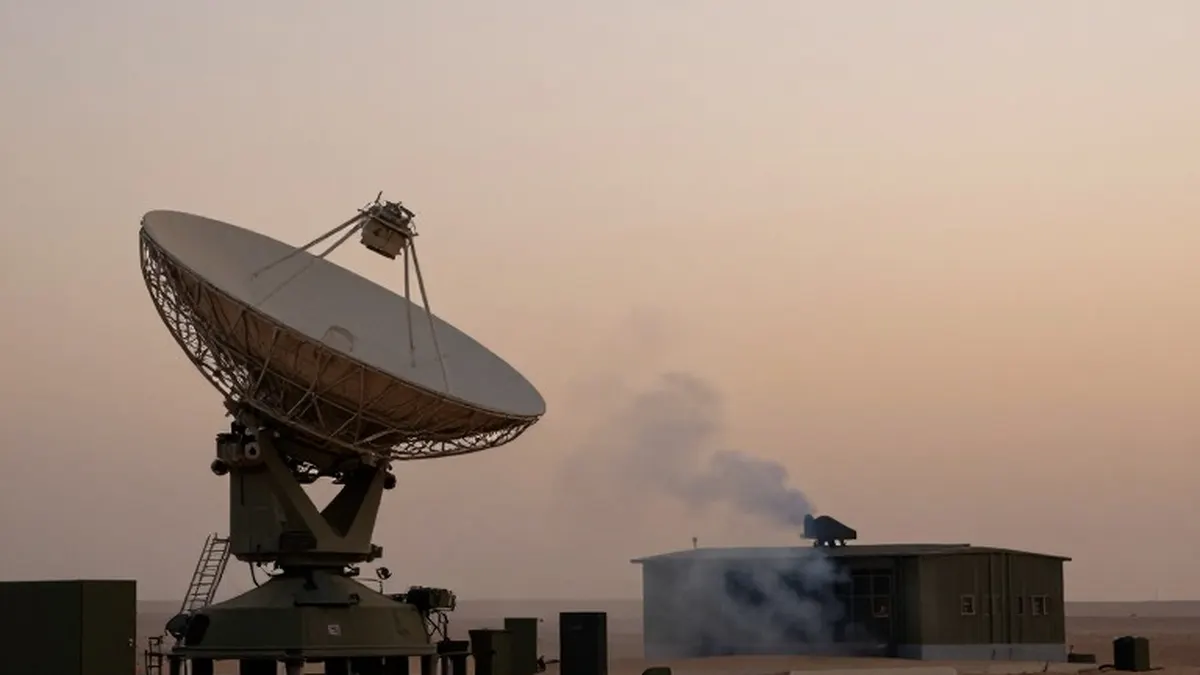
SpaceX wins US approval for million-satellite AI data network
US regulators have approved SpaceX's proposed orbital computing network, prompting concerns about technical challenges, satellite congestion and the impact on astronomy.
By Chioma Brooks ·
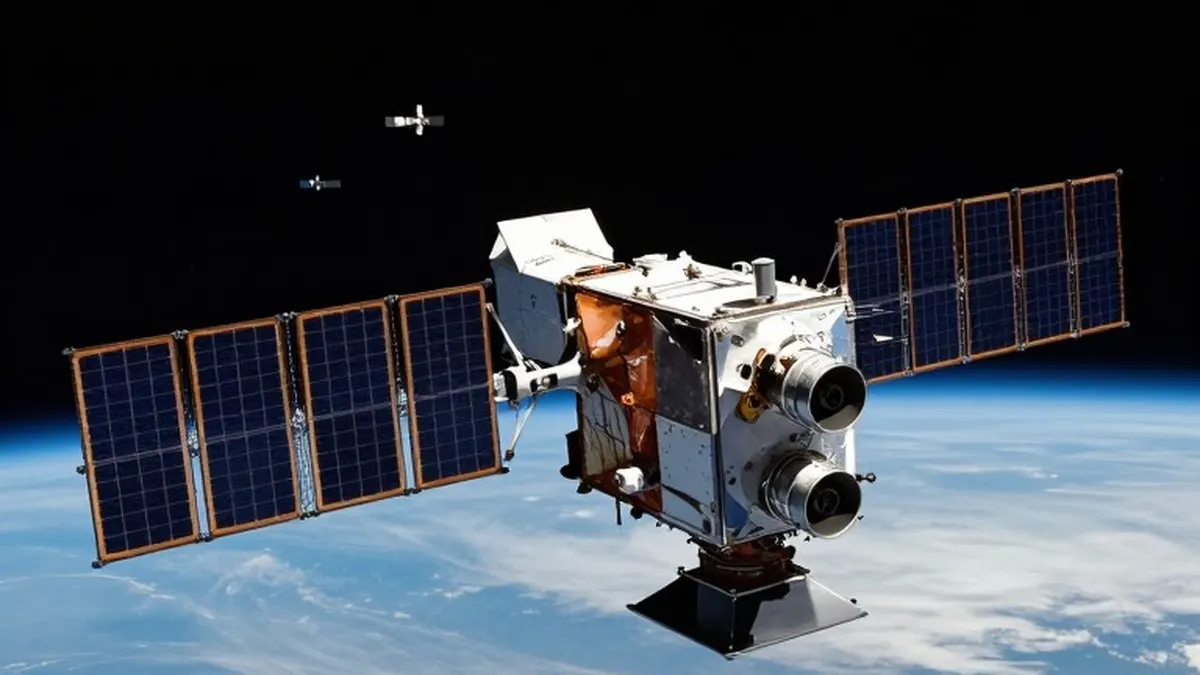
SpaceX has received US regulatory permission to launch one million satellites for a proposed network of data centres in space, marking the first approval of its kind. The company, owned by Elon Musk, plans to power the satellites with sunlight, use them to process artificial intelligence data and transmit the results to Earth.
The Federal Communications Commission announced its decision on Wednesday, November 25, approving the project known as Starmind. FCC Chairman Brendan Carr described it as an opportunity to strengthen US computing infrastructure, technological leadership and economic growth. Musk welcomed the announcement in a post on X. SpaceX argues that orbital computing offers the most efficient approach in terms of cost and energy to meeting AI demand that exceeds the capabilities of facilities on Earth.
The licence requires SpaceX to begin deploying satellites by November 2033, with 10% deployed by November 2035 and 50% by November 2038. The company has said it hopes to launch the first Starmind satellite in 2027. Whether it will ultimately send up a million satellites remains uncertain, as the approved number may exceed what SpaceX intends to use.
Starmind would operate in low-Earth orbit at altitudes between 500 and 2,000 kilometres. Its satellites would communicate with SpaceX's Starlink network, which would then relay the data to Earth. Starlink already delivers high-speed internet through more than 10,000 satellites. Rival company Amazon has questioned whether the Starmind proposal amounts to a workable plan.
Technical questions also remain. Prof Sir Martin Sweeting, founder and executive chairman of Surrey Satellite Technology Ltd, told BBC Radio 4's Today programme that space-based data centres appeared technically possible, but their practicality at scale required further analysis. He said transferring data would depend on laser connections between the ground and the satellites, technology that had not yet been perfected sufficiently to handle the expected volume of traffic.
The American Astronomical Society expressed dismay at the approval, warning that the constellation would harm astronomical research and the public's ability to observe the night sky. It said the satellites' greater size, brightness and numbers would leave extremely bright objects visible for longer periods, undermining decades of federal investment in astronomy facilities. Earthjustice senior attorney Jan Hasselman also warned that a major expansion of satellites would affect everyday life and the planet's future.
Google and Blue Origin are among other companies exploring orbital data centres, which are being promoted as a greener alternative to facilities on Earth. Expanding AI use has increased demand for data storage and processing, while conventional centres consume substantial electricity and cooling water. Finding locations is becoming harder amid local opposition. Experts have said opposition to data centres contributed to Republican losses in the US midterm elections.
Experts previously interviewed by the BBC cautioned that launching computing equipment remains costly and that protecting, cooling and powering it in orbit can be complicated. Space debris threatens hardware, while additional low-orbit spacecraft increase collision risks, potentially damaging equipment or sending material back towards Earth. Musk has denied accusations that Starlink is congesting space or leaving insufficient room for competitors.