FCC grants Intel 365-day pass for unclassified factory robots
The waiver resolves uncertainty over whether automated guided vehicles fall under new restrictions on foreign-made mobile devices.
By Priya Marino ·
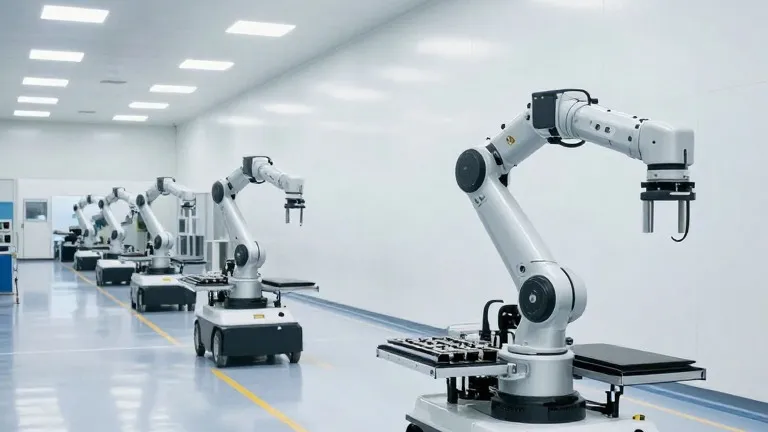
Intel will continue operating specific robotic vehicles in its US semiconductor plants for another year. The Federal Communications Commission published an order on October 22 granting the chipmaker a one-year waiver. This decision resolves a regulatory ambiguity that threatened to halt material handling operations in Intel's American factories.
The conflict arose because the FCC recently banned certain foreign-made mobile robots. The new rules primarily target consumer devices like humanoid robots and robot vacuums. Intel argued that its equipment might fit this description. The company filed for the exemption to ensure its operations would not face sudden shutdowns if regulators interpreted the ban broadly.
The machines in question are automated guided vehicles. According to Intel, these units travel along tracks or predefined paths and typically require operator oversight. They move materials across warehouse and factory floors. Bloomberg News identified common manufacturers of such vehicles as Japanese firms Murata Machinery and Daifuku Co. However, the specific models used by Intel remain private. They were listed only in a confidential appendix to the waiver request, leaving the public record without exact model numbers.
The FCC’s new regulations allow previously approved robots to remain in the market. Yet the agency limits major modifications to devices that were authorized before the ban. Intel stated in its filing that it was unclear whether its vehicles qualified as covered robots. The company requested relief to avoid operational risk during the transition period.
The waiver includes provisions for maintenance. Intel received approval to make hardware, software, and firmware changes to the vehicles. These updates are necessary to keep the equipment running and maintainable throughout the 12-month period. The agency’s order confirms that Intel can continue using the foreign-made machines in its US facilities until the waiver expires.
The episode illustrates how rules drafted for consumer electronics can impact industrial infrastructure. Even a major US chip manufacturer required formal exemption to confirm its compliance. The decision allows Intel to maintain its supply chain logistics without immediate capital investment in new equipment, providing a temporary buffer against regulatory shifts.
Source: Ars Technica