
Growers Keep Winter Salads Fresh With 12-Hour Light Cycles
Loose-leaf lettuce varieties require shallow soil and artificial illumination to reach harvest size before spring.
By Priya Marino ·
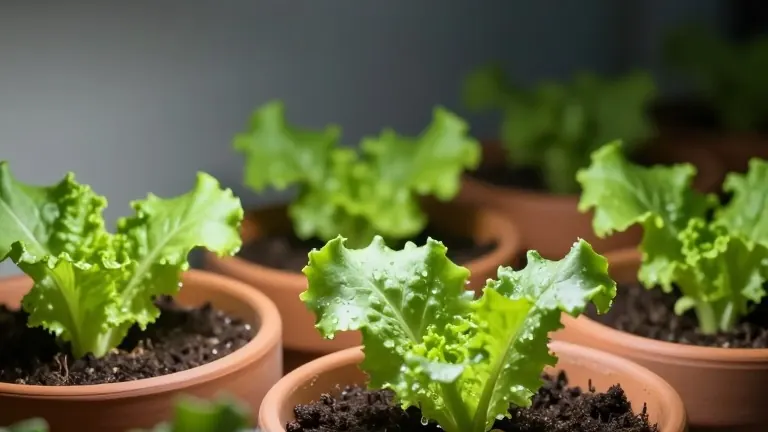
Winter conditions stop outdoor lettuce production, but indoor growers can maintain a steady supply of fresh greens through the cold months. The process requires specific lighting and shallow containers to keep plants producing until spring.
The method depends on selecting the right plant type. Loose-leaf varieties mature faster than head lettuces. They have shallow root systems and occupy less space. Gardeners remove outer leaves as needed, and the plant continues to produce new growth. Green leaf, red leaf, black-seeded Simpson, and oak leaf lettuces are common choices for this method.
Lettuce requires more light than many other vegetables, especially during winter when natural daylight is reduced. Sunniest windows provide lower light levels in winter than in summer. Growers should use artificial lights for 12 to 16 hours daily. A standard shop light is sufficient for this purpose. If artificial light is unavailable, plants must sit directly in front of the brightest available window.
Soil preparation requires shallow containers with drainage holes. Fill these vessels with a lightweight, well-draining potting mix up to one inch below the rim. A mixture of equal parts compost, perlite, and peat moss or coco coir works well. Worm castings can be added for extra nutrients but are not required. Seeds are sown lightly on the surface and covered with a thin layer of soil. Lettuce seeds need light to germinate, so they should not be buried deeply.
Seedlings require careful watering with a spray bottle to prevent washing away the seeds. The soil should remain moist but not saturated. When seedlings reach one inch in height, thin the row by cutting the weakest plants at soil level with scissors. This spacing allows the remaining plants to grow without root competition.
Harvesting begins when leaves reach four to six inches in length. Growers cut the outer leaves from each plant. This technique distributes the harvest across the entire crop and protects the center of the plant, which continues to generate new leaves.
Jessica Damiano, a gardening columnist for The Associated Press, outlines these steps for maintaining indoor salad production. She publishes the Weekly Dirt Newsletter and provides weekly gardening tips. The AP hub for gardening stories is available at apnews.com/hub/gardening.