HUD Denial: Cleveland Loses $7.8 Million Lead Hazard Grant
Federal officials rejected the city’s application due to high risk ratings across multiple housing programs, despite recent improvements in spending speed.
By Priya Marino ·
The U.S. Department of Housing and Urban Development has rejected Cleveland’s application for a $7.8 million grant intended to make homes lead safe. Community Development Director Arin Miller-Tait stated that federal officials deemed the city too risky to manage the funds. This decision reflects the city’s performance across several federal housing grants, not just those related to lead hazards.
Cleveland has a long history of struggling to spend federal dollars on lead-safe housing. In 2012, the city lost a $2 million grant. Last year, the city nearly lost three federal grants meant to reduce lead hazards and other housing issues because it spent the money too slowly. The federal government subsequently gave Cleveland additional time to spend that money.
Earlier this summer, reports indicated that the city successfully accelerated its work. Miller-Tait said the city completed 100 housing units in the past year. This represents a sharp increase from the 40 units completed in the five years prior. "We worked so hard on these things, and it is really disheartening, especially in a city with as much need as Cleveland has," Miller-Tait said regarding the denial.
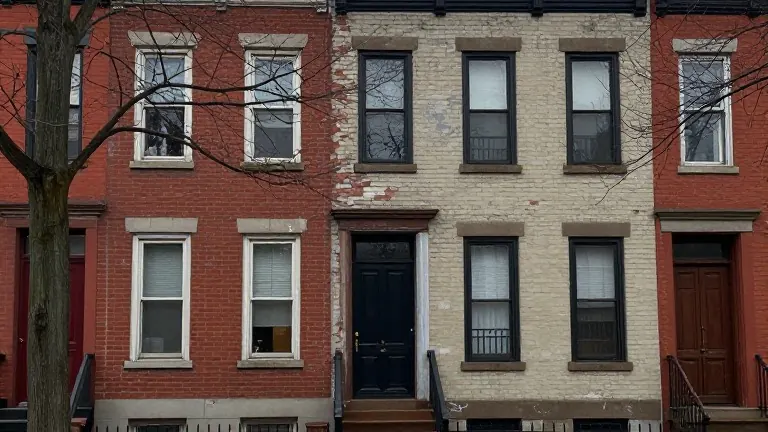
Hundreds of children in Cleveland test positive for elevated lead levels in their blood each year. The city has one of the highest lead poisoning rates in the country due to its aging housing stock covered in lead paint. The rejected grant would have paid to remove or mitigate lead hazards in homes where young children or pregnant women live. Without this funding, property owners who cannot afford cleanup or secure loans may turn to the Lead Safe Cleveland Coalition’s grant program, which currently has a wait list.
Council Member Kris Harsh, vice chair of the development, planning and sustainability committee, called the rejection terrible news. "We need every dollar we can get, and spend, to stop" lead poisoning in the city, Harsh wrote in an email. He added that the city urgently needs to figure out how to keep abatement efforts going and regain the trust of federal housing officials.
The city is working with federal officials to determine if it can appeal the decision. The first step is a debrief meeting where the city will learn why HUD scored it high in some areas and low in others. The denial letter cited a risk review that looked at current and past performance, timeliness of reporting, audit findings, and completion of activities. Miller-Tait said the city is also looking for other funding opportunities but has not specified alternative sources.
Federal evaluators also reviewed risk ratings for Community Development Block Grant funds, which totaled $7.4 million in 2025. An independent law firm hired by the city found that the current process, which gives council members lump sums without upfront reporting requirements, makes the money difficult to track. The law firm warned that HUD may stop or significantly reduce these block grants if the city does not fix these issues.
Miller-Tait told the mayor in August that the federal government identified concerns in how the city spent block grants, including a lack of citizen participation. The city is now working on a process where council members must identify specific projects before funding is allocated. Council’s committee held two hearings at the end of October to discuss this new process. City staff did not address the recent lead grant rejection in those meetings. A city spokesperson confirmed that the Council President was briefed on the rejection and decided the hearings should focus on block grants until the next steps in the appeal process are clear.
Source: Signal Cleveland