Methane Rules: White House Proposes Major Cuts to Oil and Gas Emissions Standards
The EPA plan would delay a leak-detection program and relax limits on low-output wells, a move industry groups support but environmental experts contest.
By Chioma Brooks ·
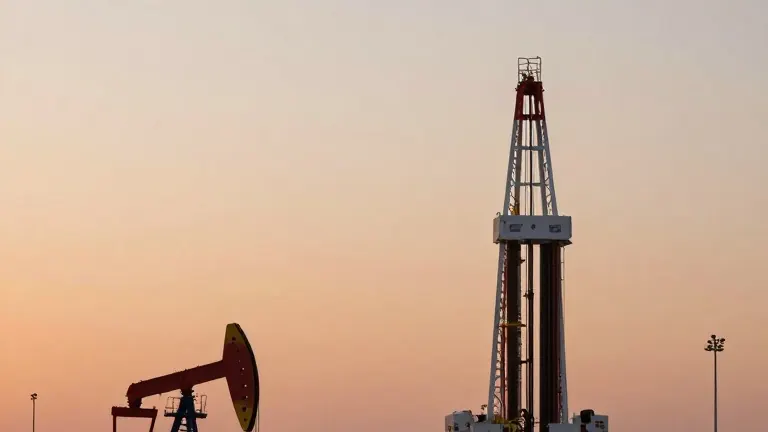
The Trump administration has proposed major changes to federal rules governing methane emissions from the oil and gas sector.
The plan targets regulations finalized in 2023 under the Biden administration. These rules aimed to reduce methane leaks at drilling sites across the country. Methane is a potent greenhouse gas. In a twenty-year timeframe, it traps heat at a rate estimated to be 80 times greater than carbon dioxide.
President Trump announced the proposal on Tuesday during a campaign stop in Lubbock, Texas. He stated that the changes, made under the Clean Air Act, would lower production costs for the industry by billions of dollars. He also claimed the move would encourage more domestic drilling. This announcement comes as Republican candidates face voter criticism over high gasoline prices ahead of the midterm elections.
EPA Administrator Lee Zeldin defended the rollback in a press release. He said the previous agency targeted the economic backbone of the nation. "Behind every barrel of oil and every cubic foot of natural gas produced in the U.S. are millions of workers, businesses, and the heartbeat of this nation's economy. The Biden EPA destructively targeted all this," Zeldin wrote.
Industry leaders generally support the proposal. Dustin Meyer, vice president of the American Petroleum Institute, said the new approach would offer greater regulatory certainty. He added that it supports American energy production while continuing to advance emissions reductions.
Environmental experts argue the changes may increase costs rather than lower them. Jon Goldstein, associate vice president at the Environmental Defense Fund, noted that methane is natural gas. "And so if you're capturing more natural gas, you're not allowing it to leak out, you're not allowing it to be flared, you have more product that you can sell. And so that offsets a lot of the costs," Goldstein said. He added that leaking gas represents lost revenue for taxpayers and producers.
The proposal would eliminate the Methane Super Emitter Program. This program is scheduled to start in January 2027. It allows certified third parties, including private and nonprofit satellite operators, to monitor large leaks. Paasha Mahdavi, a political science professor at UC Santa Barbara, explained that the government needs these reports to identify and prosecute violators. "And we need that because it's really hard to see this stuff," Mahdavi said.
The rules would also loosen restrictions on low-volume marginal wells. These wells are considered marginally economic because they generate little profit. Goldstein argued that satellites show these aging wells are responsible for a large share of methane pollution. The EPA plans to hold a public hearing and open a comment period of at least 45 days after publishing the proposal in the Federal Register.