Democrats win control, setting stage for Iran war oversight
The new House and Senate majorities empower Democrats to launch immediate investigations into the conflict, while the outgoing Republican leadership faces internal pressure to defend the administration's military record.
By Chioma Brooks ·
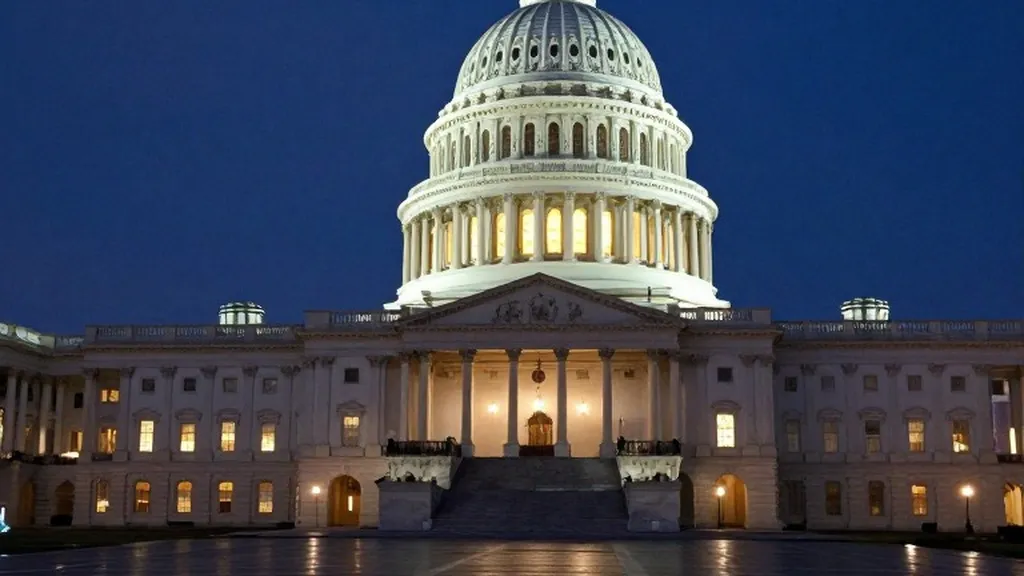
The 2026 midterm elections have concluded with a decisive shift in power, as Democrats secured majorities in both the U.S. House and the Senate. According to election results compiled by Ballotpedia, Democrats picked up at least 43 House seats, including 42 previously held by Republicans, and seven Senate seats, all of which were previously held by Republicans. This net loss of at least seven Senate seats places the election in the top 20% of election years in terms of seat swings against a president’s party, a threshold often defined as a wave election. With these victories, Democrats will hold at least a 250 to 157 majority in the House and a 54 to 44 majority in the Senate.
The war with Iran has emerged as a central issue in the post-election landscape, directly influencing the immediate political actions of the new congressional leadership. The conflict, which has been a source of significant friction within the Republican base, is now set to face rigorous scrutiny from the incoming Democratic majority. This shift allows Democrats to move beyond their previous role as a minority opposition group and begin using their oversight and appropriations powers to examine the administration's handling of the conflict. The result is a new dynamic where the party that campaigned against the war's costs and strategic decisions now holds the institutional tools to investigate those very decisions.
The transition of power has already sparked significant activity regarding the Department of Defense. Rep. Thomas Massie, a Kentucky Republican, moved to force a vote to impeach Defense Secretary Pete Hegseth as soon as the House opened for its first session after the midterms. The resolution largely focuses on the war in Iran, though it also references Hegseth's role in military actions in Yemen and Venezuela. Massie argued that the secretary's actions amount to high crimes and misdemeanors, stating that his leadership at the Pentagon warrants impeachment. This move sets the stage for a dramatic vote on whether to remove one of the Trump administration's most prominent figures, putting immediate pressure on the outgoing Republican majority.
House Speaker Mike Johnson had attempted to prevent this outcome, warning lawmakers against impeaching the Defense secretary while the U.S. is engaged in military actions in the Middle East. Johnson described the move as a terrible look for allies and enemies, arguing that impeaching a Cabinet secretary in the middle of hostilities abroad is a political trick. Most House Democrats are expected to support the impeachment effort, with Democratic Leader Hakeem Jeffries stating over the weekend that it is time for the Defense secretary to go. If the House votes to impeach Hegseth, the matter would next go to the Senate for a potential trial, though Republicans remain in the majority in both chambers until the new Congress convenes in January.
Defense Secretary Pete Hegseth has maintained his defense of the military actions taken against Iran, Yemen's Iranian-backed Houthi rebels, and Venezuela's previous leaders. He told reporters that if critics take issue with the operations known by the code names Epic Fury and Rough Rider, they are taking issue with the troops and what they accomplished. Hegseth described these accomplishments as historic and announced that he would hold a rare news conference on Tuesday, his first in over 180 days, to address the impeachment threat. His willingness to litigate the military actions signals that the conflict will remain a focal point of political debate as the new Congress prepares to take control.
The election results also signal a broader Democratic victory on the ground, with the party winning a plurality of state government trifectas and a majority of governorships for the first time since before the 2010 elections. This expansion of power gives Democrats a stronger platform to address other key issues, such as the cost of living and health care, while simultaneously managing the oversight of the Iran war. The new majority positions them to use federal funding as leverage and to open investigations that were previously limited by their minority status. This comprehensive control of the legislative agenda allows for a more unified approach to holding the administration accountable for its foreign policy decisions.
The political implications of the Iran war are further compounded by the internal dynamics of the Republican party. Many Republicans blamed their election wipeout on the conflict, suggesting that the war's popularity or execution was a significant factor in their losses. This internal criticism aligns with the broader Democratic strategy to hold the administration accountable for its dismantling of key agencies and its foreign policy choices. The new Congress is expected to use its investigative powers to uncover how decisions regarding the war were made, applying political pressure to the administration even as it navigates the complexities of an ongoing military engagement.
Democrats in Congress are preparing to flex their new majorities in opposition to the administration's policies, starting with the dismantling of the U.S. Education Department and extending to the oversight of the war in Iran. Rep. Bobby Scott of Virginia, the top Democrat on the House Committee on Education and the Workforce, said he plans to leave no rock unturned as he takes the helm of the panel's investigative powers. This approach to oversight is expected to be applied to the Department of Defense as well, where Democrats will seek to examine the administration's handling of the conflict. The goal is to use subpoenas and hearings to establish a detailed record of the decisions that led to the current state of affairs.