Montreal medical graduate's death linked to hotel pesticide in new probe
A joint investigation suggests Bérengère Deveaux-Cattino died from phosphine gas exposure in Istanbul, contradicting the official Turkish autopsy report of food poisoning.
By Abigail Brooks ·
Bérengère Deveaux-Cattino, 24, died in Istanbul in June 2025 while traveling with friends to celebrate her medical school graduation. Although a Turkish autopsy report attributed her death to food poisoning, a new joint investigation by Enquête and The Fifth Estate concludes she was exposed to phosphine gas. The report identifies at least 12 similar deaths in the region, challenging the official narrative.
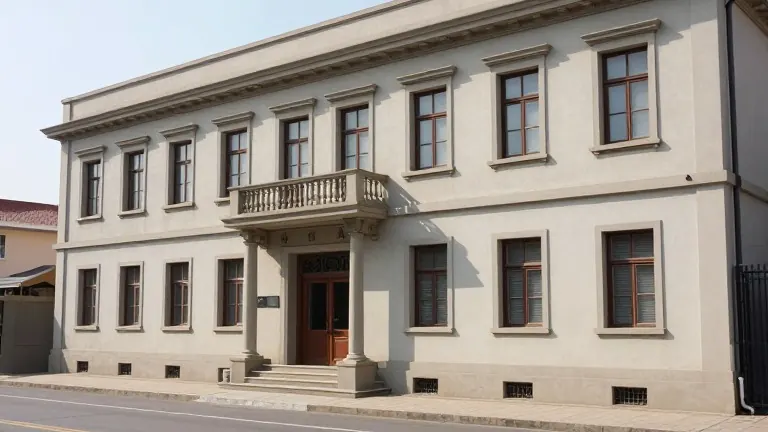
Deveaux-Cattino and her companions stayed in Room 108 at the Seven Days Hotel for the final two days of their trip. Laurie, her travel companion, described a rapid decline in health that led to hospital admission. Éléonore, Deveaux-Cattino’s sister in Montreal, learned of the crisis via video call. Her father joined her in Istanbul, where embassy officials informed the family of her death. The Quebec coroner’s office examined the repatriated body, but the family buried her without a confirmed cause while awaiting Turkish results.
The investigation gained traction after the death of the Böcek family, a group of four from Hamburg who died in Istanbul in November 2025. Their hotel was located near the Seven Days Hotel. Forensic analysis confirmed the Böcek family died from aluminum phosphide exposure, a chemical used to kill rodents and insects. In Turkey, the pesticide is illegal in urban areas but remains common in hotels for bedbug infestations.
Researchers have documented nearly 30 cases of phosphine poisoning in Turkey since 2023, resulting in 12 deaths. Victims included tourists and local residents, with women and children comprising the majority. Many cases were initially misdiagnosed as food poisoning. A key indicator, metabolic acidosis, was present in the victims. Şebnem Korur Fincancı, a Turkish forensic pathologist, reviewed Deveaux-Cattino’s autopsy report. She noted the absence of diarrhea, typical of food poisoning, and pointed to the metabolic acidosis as evidence of pesticide intoxication.
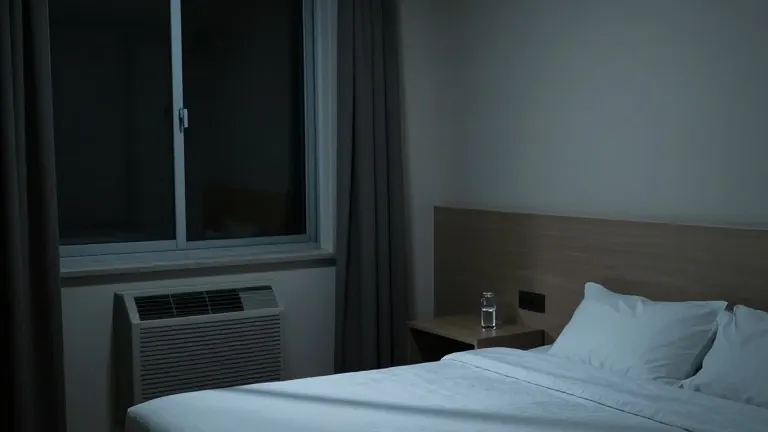
Investigators examined reviews for the Seven Days Hotel and found a report from a guest in Room 107, adjacent to the victims' room, in June 2025. That guest reported being bitten 150 times by bedbugs. The windows of the two rooms face each other. Hotel manager Bahattin Demir acknowledged the stay but initially downplayed the likelihood of extermination products causing the deaths, despite admitting monthly spraying. Undercover inquiries with the extermination company, Wolves, revealed they use a product requiring a 72-hour seal for treated rooms. An employee described keeping doors locked to prevent entry. The company denied using aluminum phosphide on the phone, though the description matched the chemical's protocols. The victims had closed their window and turned on the air conditioning the night they fell ill, a detail pathologists say could allow gas residue to build up.
In June 2026, owners of the extermination company involved in the Böcek family deaths were sentenced to 18 years in prison for criminal negligence. The hotel owner and employees received sentences ranging from 12 to 13 years. The Canadian government added a travel advisory for Turkey, warning visitors of poisoning cases linked to chemical pesticides in Istanbul accommodations. As of late October 2026, Turkish consular officials confirmed the investigation into Deveaux-Cattino's death remains open. Her sister, Éléonore, stated she will speak for her loved one who can no longer speak for herself.