Online dress scam costs shopper $66
A consumer received an unwearable garment after purchasing a floral gown for a wedding, illustrating rising online shopping fraud.
By Chioma Brooks ·
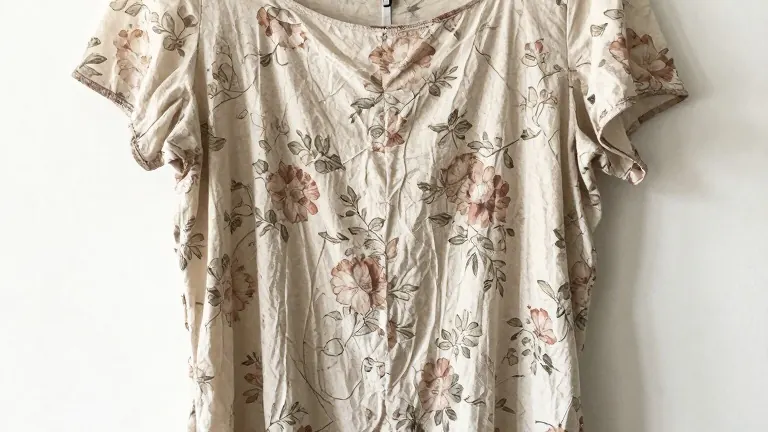
Eva Borho paid $66 for a floral evening gown after seeing a YouTube advertisement. The package arrived with a garment that differed sharply from the product image. Borho described the item as an inexpensive T-shirt with a print that resembled a groundhog. She stated that the dress was unwearable and that she laughed to avoid crying over the poor quality.
Borho initially saw the ad while searching for a dress for her cousin’s wedding. The online listing showed a fitted dress with delicate pink bouquets. The physical item she received did not match that description. She decided not to return the dress because the seller provided a Chinese address. The estimated return shipping cost ranged from $40 to $50.
Consumer advocates indicate that deceptive online advertisements are becoming harder to detect. Josh Planos of the Better Business Bureau reported that online purchase scams accounted for approximately 30% of reports to the BBB Scam Tracker in the previous year. Nearly 90% of people who reported an online purchase scam lost money. Planos noted that artificial intelligence allows sellers to create polished storefronts and product images quickly. He advised shoppers to look past professional appearances and verify details independently.
The BBB investigated an online seller of dog supplements named The Paw Parent. Planos said the company claimed to operate from a Kansas City address. When investigators visited the location, other tenants had not heard of the business. The company was not listed on any signage. Customer complaints included unauthorized recurring charges, sick pets, and overseas shipping. Planos stated that such websites often remain active even after complaints are filed.
The BBB recommends specific steps for shoppers before purchasing from unfamiliar retailers. Buyers should double-check web addresses for misspellings. They should verify contact information, including working phone numbers and physical addresses. Shoppers should research sellers on BBB.org for complaints or warnings. A polished website or positive reviews do not guarantee a seller is legitimate.
The BBB suggests that the problem extends beyond clothing to various product categories. The organization emphasizes the importance of checking who operates a business before providing payment information. These recommendations aim to help consumers avoid losing money to fake companies operating from fake addresses.
More Business · Consumer Watch · Report a business · Got a Story?