DNI Clayton: Recent Outages Are Technical, Not Foreign Attacks
The Director of National Intelligence testified that recent U.S. service disruptions were caused by maintenance issues, while warning that AI advancements are accelerating future cyber threats.
By Abigail Brooks ·
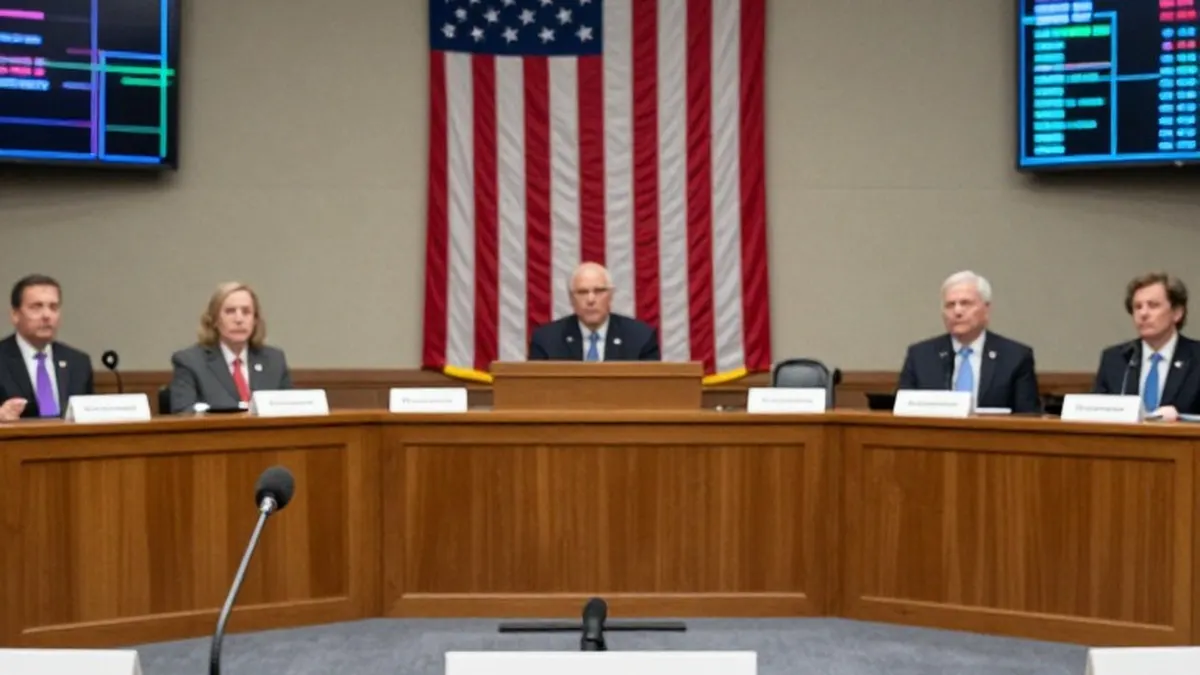
Director of National Intelligence Jay Clayton testified before Congress on Wednesday, clarifying that recent service outages affecting U.S. systems were the result of routine technical and maintenance problems rather than a coordinated foreign cyberattack. During the House Homeland Security Committee hearing, titled 'Worldwide Threats to the Homeland: 25 Years After 9/11,' Clayton emphasized that intelligence reviews have not found evidence of state-sponsored interference behind these recent disruptions.
Clayton addressed the public's growing concern regarding the timing of these outages. He acknowledged that Americans are justified in asking questions, but he maintained that the available data points away from foreign involvement. In response to persistent questioning from Rep. Dan Goldman of New York, Clayton stated that there is no indication the events are related. He added that the rapid increase in computing speed and application capability means that infrastructure which seemed modern only six months or a year ago now appears significantly dated.
The intelligence chief noted that the community remains on high alert. He explained that the government continues to monitor for malicious cyber activity targeting U.S. networks and law enforcement partners. Clayton reiterated that after extensive due diligence conducted with both government agencies and private sector cybersecurity experts, officials have no evidence that the recent incidents were coordinated or the result of a malign state actor.
Beyond the immediate disruptions, Clayton warned lawmakers that rapid advancements in artificial intelligence, which he referred to as superintelligence, are fundamentally altering the digital battlefield. He described how this technology is sharply increasing the speed, scale, and sophistication of both offensive and defensive cyber operations. According to Clayton, the impact of superintelligence extends beyond cybersecurity to national security, commerce, and the way wars are fought and terrorism is combated.
In his opening remarks, Clayton outlined a broader threat environment marking the 25th anniversary of the September 11 attacks. While he did not share classified details in the open session, he noted that full briefings have been provided to the Gang of Eight and congressional intelligence committees. He highlighted several primary threats that the intelligence community is currently tracking.
One of the most significant concerns is the increased plotting by Iran. Clayton stated that threats from Iran, both within the United States and targeting Americans abroad, have substantially increased. The intelligence community is committed to detecting and deterring these lethal plots. Additionally, while major counterterrorism efforts have degraded the capabilities of large groups since 2001, Clayton warned of persistent threats from individuals inspired by ISIS and al-Qaeda, as well as networks exploited by adversarial nations.
Clayton also urged Congress to maintain key surveillance authorities to preserve early warning capabilities. He specifically called for the renewal of Section 702 of the Foreign Intelligence Surveillance Act, describing it as the single most indispensable tool for monitoring foreign threats to the homeland and U.S. troops. He argued that no other program can replicate the speed and effectiveness of this authority.
The Director concluded his testimony by emphasizing the urgency of legislative action. He stated that allowing Section 702 to expire would be a mistake for the nation's security posture. As artificial intelligence continues to reshape the threat landscape, Clayton suggested that maintaining robust surveillance tools is critical for adapting to a faster and more complex digital environment.
The hearing provided a platform for lawmakers to discuss the evolving nature of homeland threats. Clayton's testimony served to reassure the committee that current outages are not part of a larger coordinated attack, while simultaneously preparing them for the challenges posed by emerging technologies and traditional state actors.
By separating the recent technical issues from long-term strategic threats, Clayton aimed to provide a clear picture of the current security landscape. He stressed the importance of balancing immediate operational responses with long-term investments in understanding and countering the effects of superintelligence on national defense.
More News · National news · Report a business · Got a Story?