Satellite imagery maps 9,000 hectares of poppies in Balochistan
Afghan farmers are leasing land in Pakistan and Iran to grow opium after the Taliban's 2022 ban reduced domestic output.
By Priya Marino ·
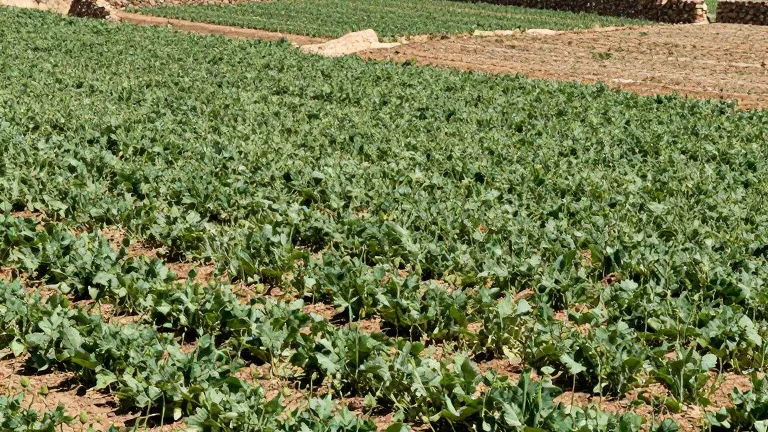
Satellite analysis by the British firm Alcis identified more than 9,000 hectares of poppy cultivation in Pakistan's Balochistan province. The data, released in an August report by UK expert David Mansfield, marks a sharp increase in the region's illicit crop output. Mansfield, author of A State Built On Sand: How Opium Undermined Afghanistan, described the tri-border area as a global center for opium production.
Since the Taliban banned illicit narcotics in 2022, Afghan opium output has declined. Farmers from Kandahar and Helmand have crossed the border to lease land in Pakistan and Iran. They bring capital and agricultural expertise to the region. In Balochistan, the crop is concentrated in the districts of Loralai and Killa Abdullah.
Abdul Qahar Wadan, a former member of Pakistan's National Assembly, stated that cultivation in Killa Abdullah is rampant. He alleged that senior military officials and pro-government figures accept commissions from growers. Monawar Hussain, the district's chief administrative officer, disputed this claim. He said cultivation dropped following an eradication campaign last year, though 2026 satellite imagery shows no clear evidence of destroyed crops.
Local farmers cite economic pressure as the primary driver for the shift. Lala Jan Kakar, a resident of Killa Abdullah, noted that drought and flash floods have hurt traditional fruit farming. He observed that the demand and income for poppies exceed those for fruit. Afghan growers invest millions of Pakistani rupees in solar-powered wells and share profits with local landowners. Poppy harvests occur twice yearly, and many farmers doubled their cultivated land in 2026.
A similar pattern exists in Iran's Sistan-Baluchistan province. Afghan farmers work there as tenants and sharecroppers using family ties. Satellite imagery from 2026 shows extensive fields, some equipped with drip irrigation. This costly infrastructure suggests growers who planted in late 2025 expected to keep the crop. Mansfield described a move from mixed farming to large-scale poppy monoculture.
Production is also rebounding inside Afghanistan. In Badakhshan Province, cultivation remains widespread on both rainfed and irrigated land. In the southwest, crop area almost doubled between 2025 and 2026. Farmers hide the poppies inside wheat fields and behind compound walls. A Taliban directive now bars home searches for opium without a court order. Mansfield warned that this concession may encourage broader cultivation in 2027.
Experts predict further expansion in 2027. Rising production generates income for armed groups and fuels regional violence. These groups compete for tax revenues from the drugs trade, people smuggling, and fuel and mineral exports.
Source: RFE/RL