South Sudan guards kept cash sent to detained US deportees, families say
Five migrants remain in Juba where relatives report guards solicited thousands of dollars for food and water that never arrived.
By Chioma Brooks ·
Five US deportees remain in custody in Juba, South Sudan, where families say guards kept money sent to cover basic needs.
Ngoc Phan, a US citizen, sent approximately $4,000 to her husband Tuan Phan, who was detained in the capital for nearly a year before returning to Vietnam in June. She told The Associated Press that the funds were intended for food, water, and a cellphone. Instead, Tuan Phan said guards gave him only a few bananas, apples, and peanuts for each payment.
The couple is among those affected by a policy that has moved thousands of migrants to countries other than their own. In July 2025, the Trump administration deported eight men with criminal convictions to South Sudan. The group included nationals from Mexico, Cuba, Vietnam, Laos, Myanmar, and South Sudan. All eight had completed US prison sentences before entering immigration custody. One additional deportee is now detained in Juba.
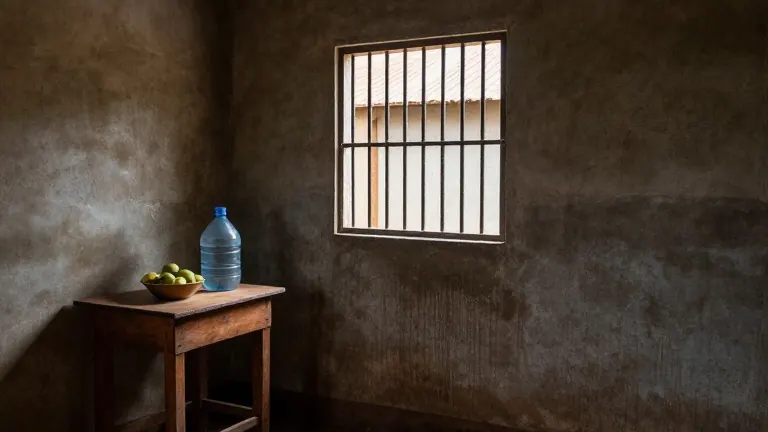
Tuan Phan, 44, described conditions in a gated three-story building where up to a dozen guards lived alongside detainees. He lost 20 pounds during his confinement. He said the men often ate only bread or rice and sometimes went days without a meal. When drinking water ran out, detainees collected rainwater. He noted that guards would provide a jug of water meant to last a week, with the next supply arriving up to 10 days later.
Tensions rose as supplies dwindled. Tuan Phan said a guard struck one detainee in the face for asking to open a window. Another detainee was locked in his room for days after complaining about a lack of soap. He said he feared for his life daily during his stay. Three other detainees reported similar experiences, with relatives and a lawyer noting payments ranging from $100 to $1,000 per transaction to four identified guards.
South Sudan’s Foreign Ministry stated that detainees receive adequate food, water, and medical care. A ministry spokesperson said the government pays for all associated costs and allows regular contact with relatives and lawyers. The ministry said the US has fully relinquished responsibility and no longer has legal jurisdiction over the individuals.
The US Embassy in Juba was instructed not to visit the detainees or follow up on their treatment, according to a congressional aide who spoke with embassy staff in August 2025. The aide was not authorized to speak publicly. A UN International Organization for Migration spokesperson said the agency cannot intervene without a request from South Sudan. Alma David, a lawyer for one detainee, said her client has been held for over a year without being charged with a crime.
The administration is working to resolve the individual cases of the remaining detainees. Relatives and lawyers continue to monitor conditions in Juba while awaiting updates on the men's status.