US Midterms 2026: Transition timeline as Democrats prepare for January power shift
Following the Democratic victory in both chambers of Congress, the US enters a critical lame-duck period where the outgoing legislature finalizes funding and leadership changes occur.
By Priya Marino ·
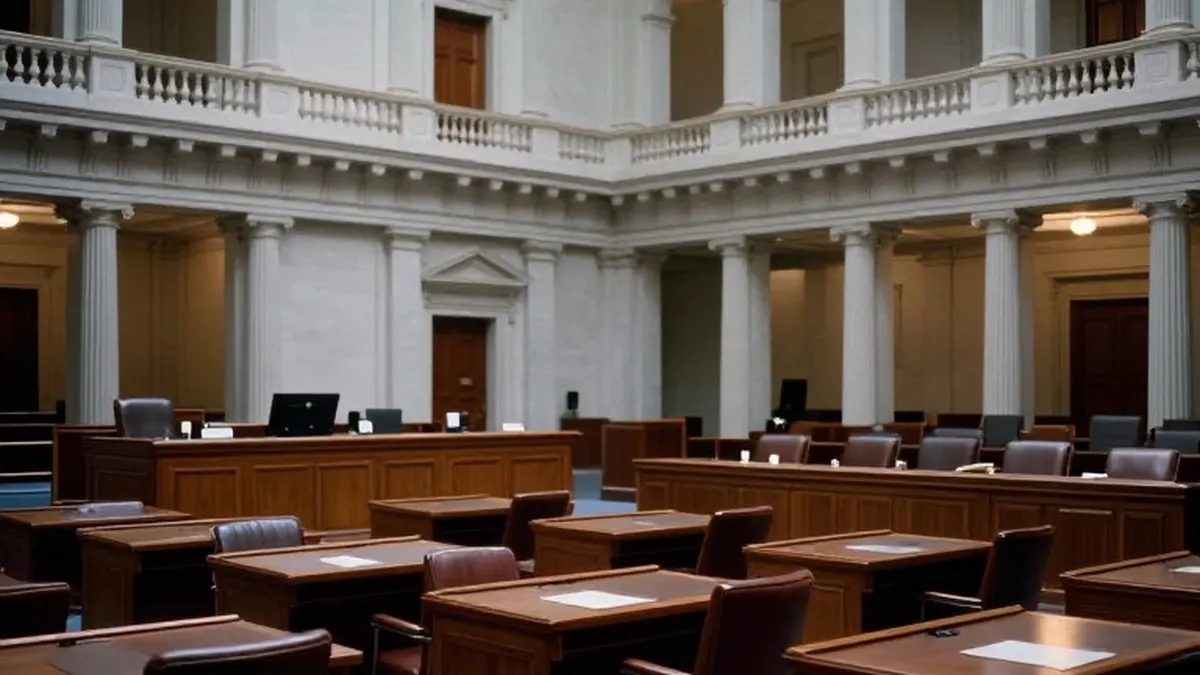
The United States has concluded its midterm elections, resulting in a Democratic takeover of both the House of Representatives and the Senate. Despite this significant shift in power, the newly elected lawmakers will not officially assume their positions until January. In the interim, the political landscape is defined by the ongoing certification of results, the preparation of incoming members, and the continued legislative activities of the current Congress.
On November 9, the existing Congress returned to Washington for what is known as a lame-duck session. This term describes the period when lawmakers meet after an election but before the new body is seated. During this time, Republicans maintain a majority in both chambers and retain the ability to pass legislation. As the 120th Congress approaches, the focus turns to the procedural steps required to hand over control.
Between November and December, newly elected officials begin the process of preparing for their January inauguration. These activities include attending orientation sessions in Washington, hiring staff, and familiarizing themselves with the daily operations of Congress. A crucial part of this transition involves the selection of party leaders. The majority leader and minority leader for both chambers are chosen by their respective parties, and the House will vote to elect a speaker.
The Republican Party has already secured its leadership, re-electing John Thune as the Senate leader as Donald Trump enters the final two years of his presidency. In contrast, the Democratic leadership race is more contentious. Senator Chris Van Hollen of Maryland is challenging current Senate Minority Leader Chuck Schumer of New York for the majority leader position, with a vote scheduled for December 1. Democratic strategist Roger Fisk noted that the differences between the candidates are likely about their methods rather than their political goals.
Republican strategist Doug Heye described the leadership debates as reflective of a broader identity crisis facing both parties. He pointed to the divisions within the Democratic Party between moderates and progressives, as well as the challenges Republicans face following their losses. These internal dynamics will likely shape the legislative agenda as the new Congress takes form.
One of the most pressing issues for the current Congress is the government funding deadline on December 11. Lawmakers previously passed a temporary spending bill, or continuing resolution, to keep federal agencies operational. Congress must now approve another bill to prevent a partial government shutdown. Heye suggested that a temporary extension could push negotiations into February, by which time Democrats will control both chambers. He also identified the federal debt ceiling as a significant challenge for the incoming legislature, noting that these issues rarely appear on the campaign trail but will be critical in the coming years.
The current Congress is expected to finalize its legislative work before the Christmas holidays. The House is scheduled for its final sitting day on December 17, while the Senate is set to conclude on December 18. However, lawmakers may remain in Washington longer if major issues remain unresolved. Even if work finishes early, the term of the 119th Congress does not officially end until January 3.
The 120th Congress is set to begin its term at noon on January 3, 2027. Because this date falls on a Sunday, Congress could pass a law to set a different date for the first meeting. Upon convening, the House must elect a speaker before members are sworn in, and newly elected senators will also take their oaths. With Democrats in control of both chambers, they will gain authority over congressional committees, legislative priorities, and investigations into the administration of President Donald Trump.
Heye emphasized that all committee chairs in the House and Senate will be Democrats, granting them subpoena power. He warned that these congressional investigations could complicate negotiations between the new Congress and the White House. President Trump will remain in office but will face a Congress that controls the confirmation process for presidential nominees and the legislative agenda.
House Democratic leader Hakeem Jeffries has outlined key priorities for the new leadership, including ending the war in Iran, stopping Trump tariffs, reversing cuts to Medicaid and food assistance, and extending Affordable Care Act tax credits. However, Democratic control does not guarantee these policies will become law. Trump retains the power to veto legislation, and overriding a veto requires a two-thirds majority in both chambers. Fisk expressed hope that both sides would be willing to negotiate over the next 60 to 90 days to achieve shared wins for the American people.