Votel says new Iran strikes may weaken Tehran but lack defined end goal
The former CENTCOM commander argues that while recent sanctions are depleting Iran's oil reserves, U.S. military planners have not yet clarified what victory looks like.
By Abigail Brooks ·
Retired Army General Joseph Votel assesses the military options available to the United States as it considers a new campaign against Iran. Speaking in an interview with NPR's Leila Fadel, Votel, who commanded U.S. Central Command from 2016 to 2019, argued that additional air strikes would degrade Iranian capabilities without forcing the war to a conclusion.
Votel noted that many potential targets have already been hit in previous rounds of fighting. He observed that Iran has demonstrated the ability to rebuild these systems. In his view, fresh attacks serve to punish Tehran and buy time, but they have not yet altered the country's strategic calculations regarding the conflict.
The general identified two primary objectives that Washington must define to declare a victory: the resolution of the nuclear enrichment issue and the reopening of the Strait of Hormuz. He stated that the current U.S. aims remain difficult to decipher, though he linked the reopening of the strait to a potential drop in domestic gas and diesel prices. Votel also cited the disruption of regional commerce and the use of proxies, including the Houthis, as secondary concerns.
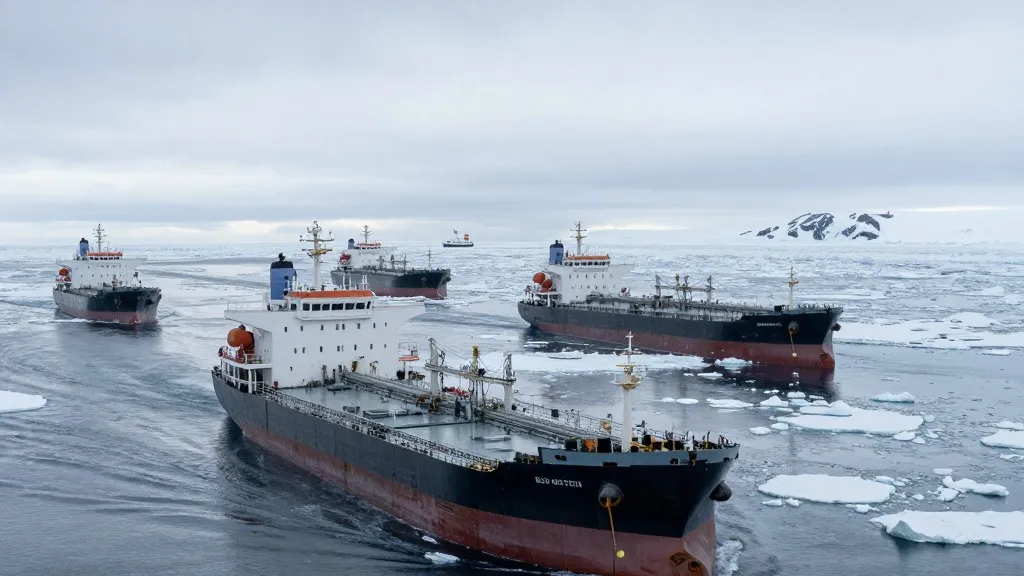
On the economic front, Votel pointed to the financial blockade and sanctions as the area showing the most tangible progress. He referenced recent reporting that Iran's shadow fleet of tankers has run out of oil. He described this financial pressure as a slow but definite movement that complements military force, diplomacy, and information operations.
When asked about military readiness, Votel confirmed that American offensive power in the region remains substantial. He stated that the ability to strike targets is not in question. However, he identified missile defense as the potential constraint in a prolonged engagement. He noted that defensive interceptors protecting U.S. forces, regional partners, and critical infrastructure face heavy pressure, making defense the area facing the most strain compared to the offensive side.
Source: NPR