Wessex Water Holds Somerset Hosepipe Ban as Bristol Eases Restrictions
Somerset residents must continue conserving water despite October rains, while a neighboring utility lifts its own ban due to differing reservoir levels.
By Priya Marino ·
Somerset residents will continue facing water usage restrictions while their neighbors in Bristol enjoy relief from the same rules.
Wessex Water confirmed on November 24 that the hosepipe ban remains in force across its service area. The ban took effect on August 8 after months of dry weather. It prohibits residents from using hosepipes for garden watering, vehicle washing, cleaning hard surfaces, or filling recreational pools. Bristol Water lifted its own ban on November 18. That utility serves parts of Bristol, south Gloucestershire, and sections of Somerset. The differing decisions stem from the specific conditions of the water sources each company manages.
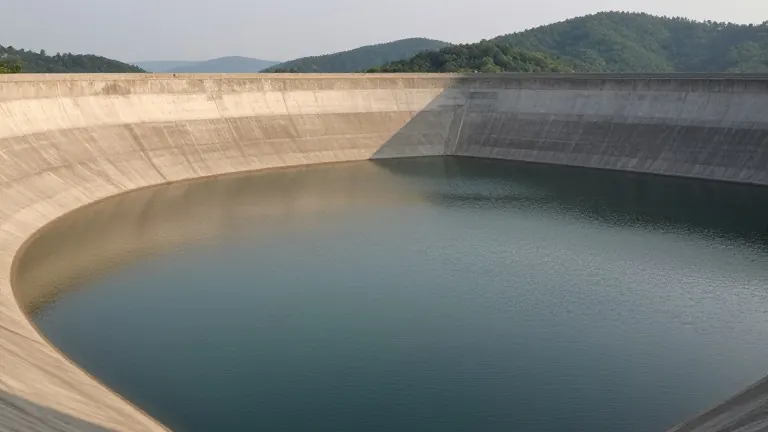
Reservoir data highlights the strain on local infrastructure. Wimbleball Reservoir, which serves a region shared by South West Water and Wessex Water, held 28 percent of its capacity as of Monday, November 23. The Environment Agency has declared this area in a state of severe drought. Clatworthy Reservoir, which holds the headwaters of the River Tone, sat at 27 percent capacity on November 16 according to Flood Radar. Smaller facilities across the county also operate below half their potential. Durleigh Reservoir near Bridgwater and Sutton Bingham Reservoir near Yeovil both remain under 40 percent full.
A Wessex Water spokesperson addressed customer concerns via email on Tuesday. The company noted that October rain provided some benefit but did not solve the deficit. "Following months of extremely dry weather, it was a relief to see plenty of rain during October," the spokesperson wrote. "We still need a lot more of it to help our reservoirs and other water resources recover from the ongoing drought." The company pointed to national guidance from the Environment Agency. That agency states the country requires at least 120 percent of normal rainfall to fully recover by spring. Wessex Water said it would keep the ban until resources return to safe operating levels.
The water company attributed the shortage to a combination of high temperatures and low input. "Months of exceptionally dry weather and repeated heatwaves have meant much less water has entered our water sources than normal," the spokesperson said. Higher temperatures increased evaporation rates. Dry ground absorbed rainfall before it could reach underground aquifers. Demand for water stayed high during the summer. The company noted that its teams work around the clock to fix hundreds of leaks monthly while maintaining flow.
Somerset Council recently approved earthworks trials south of the Cheddar facility. A second reservoir is planned for that location by 2035. The new infrastructure aims to bolster long-term water security in the region. Wessex Water indicated that a very wet winter is the primary condition for lifting the ban by the spring of 2027. Until then, residents must maintain current conservation habits. The company asked customers to keep using water wisely as they approach the winter months.