White House Talks Signal End to Iran Conflict as Oil Prices Drop
Qatari mediation and domestic political shifts in the US and Israel are accelerating peace efforts despite ongoing naval strikes in the Strait of Hormuz.
By Priya Marino ·
Peace talks between the United States and Iran moved forward rapidly this week as diplomatic pressure increased.
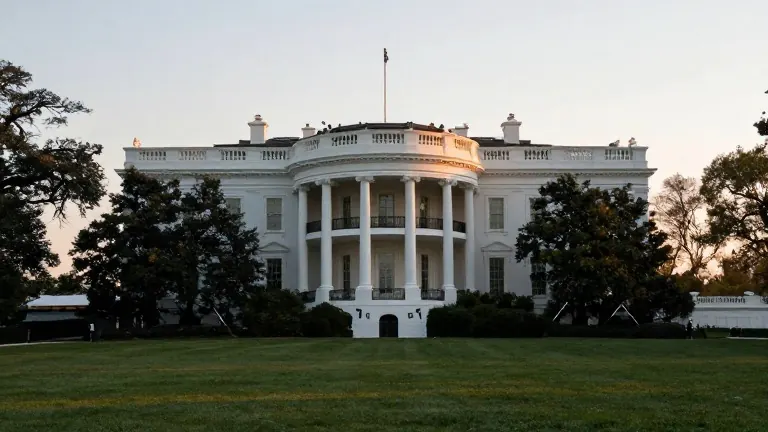
President Donald Trump and Qatari Prime Minister Sheikh Mohammed bin Abdulrahman bin Jassim Al Thani discussed the progress of closed-door meetings held at the White House on Monday. Trump declared the war effectively over during the session. Both leaders pointed to positive outcomes that reduced the likelihood of immediate military escalation.
Global energy markets responded quickly to the diplomatic news. Oil prices fell sharply on Monday as traders anticipated lower costs. The conflict had previously disrupted supply chains and raised living expenses for consumers across the globe. A sustained agreement could lead to further reductions in consumer prices worldwide.
Domestic politics in the United States are driving the new pace of negotiations. Republicans suffered a major defeat in the midterm elections earlier this month. Analysts believe this loss injected new energy into stalled diplomatic channels. Trump and Vice President JD Vance acknowledged that the war contributed to the Democratic Party gaining firm control of Congress.
Negar Mortazavi, a senior fellow at the Center for International Policy, explained that the political cost of further escalation has increased. She noted that progressive and antiwar candidates pushed the Democratic Party toward a unified opposition against the conflict. Hakeem Jeffries, the House Minority Leader, told reporters on Monday that Democrats will end the war in Iran regardless of the method used. He is expected to become the next speaker in January.
Pressure is also building within the Republican Party. Outgoing lawmaker Thomas Massie has moved to impeach Defense Secretary Pete Hegseth over the conduct of the war. This action sets up a contentious vote in Congress shortly after the midterms. Mortazavi added that aggressive use of their new mandate by Democrats will make it difficult for Trump to continue the conflict.
Iranian officials maintain a dual posture of diplomatic openness and military deterrence. Foreign Minister Abbas Araghchi stated on Tuesday that the war cannot be resolved through military means or increased sanctions alone. He argued that a resolution requires a language of respect between the parties. Supreme National Security Council Secretary Mohsen Rezaei accused Washington of spreading fake news regarding negotiations on Monday. He demanded that the US accept Tehran’s seven conditions, which include removing the naval blockade and unfreezing Iranian assets.
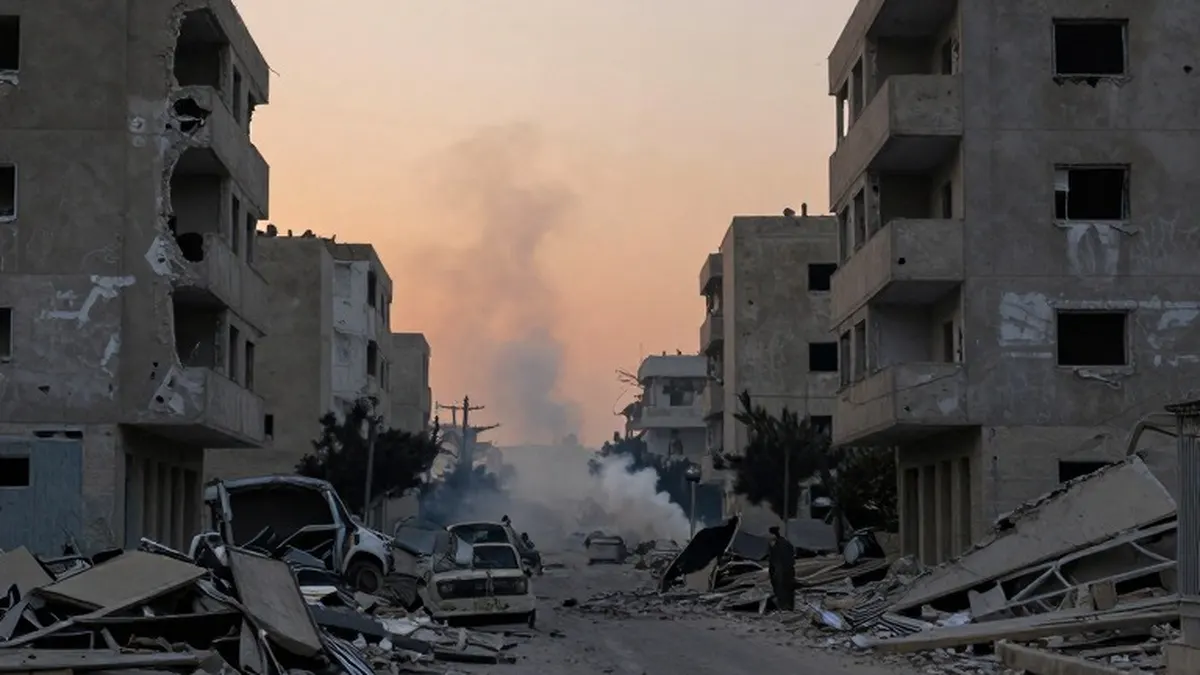
Military operations continue on the ground despite the diplomatic momentum. US strikes on Iranian targets in the Strait of Hormuz and Qeshm Island have become a daily occurrence. Tehran has downed US aircraft and controlled marine traffic in the key waterway. The USS Theodore Roosevelt carrier strike group and the 13th Marine Expeditionary Unit are expected to arrive in the Middle East later this month.
Israel faces its own political uncertainty following the general election on October 27. Prime Minister Benjamin Netanyahu’s rival, Gadi Eisenkot, was tasked on Saturday with forming a new government coalition. This domestic instability adds complexity to regional dynamics. Hamidreza Azizi of the International Crisis Group noted that accepting Iran’s terms without nuclear concessions would be a major cost for the Trump administration. In a phone interview on Monday, Trump mentioned potentially striking Pickaxe Mountain, a site believed to host a deep underground nuclear facility.
Trump claimed on his Truth Social platform that Gulf countries prefer maintaining the economic blockade over escalating the war. Azizi argues that this scenario is unsustainable for the long term. The administration faces a choice between a symbolic attack on nuclear facilities to claim victory or accepting terms that may be viewed as an admission of defeat.